Studio-quality product imagery,
without organising a photoshoot.
- Imagery
- Video
- Ad creative
- The account
Built around your existing product photos, however basic they are. Every image is creatively directed, generated and retouched in-house, with the product checked against the real item before delivery.
The product is real in every frame. Can you tell which environment was photographed?
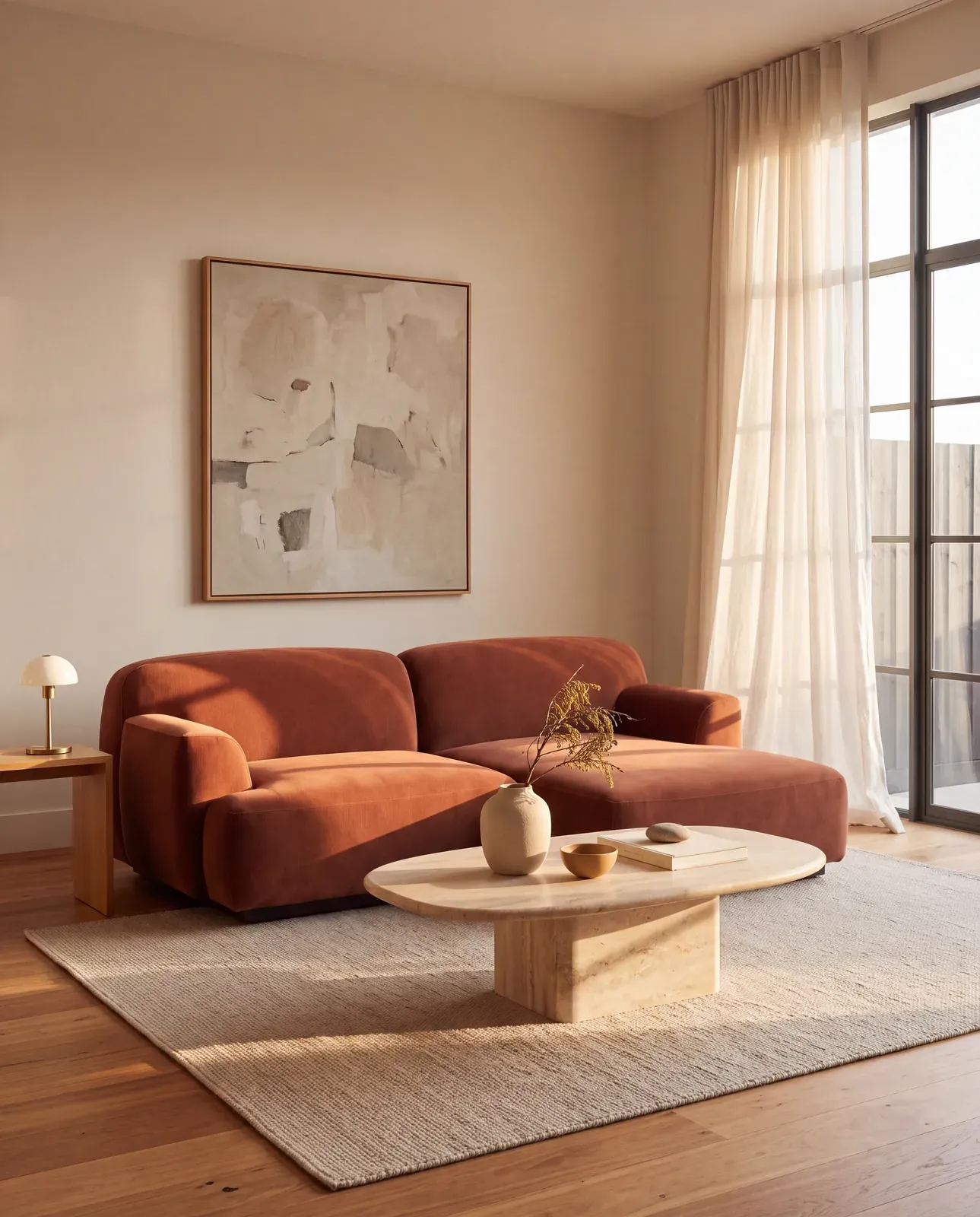
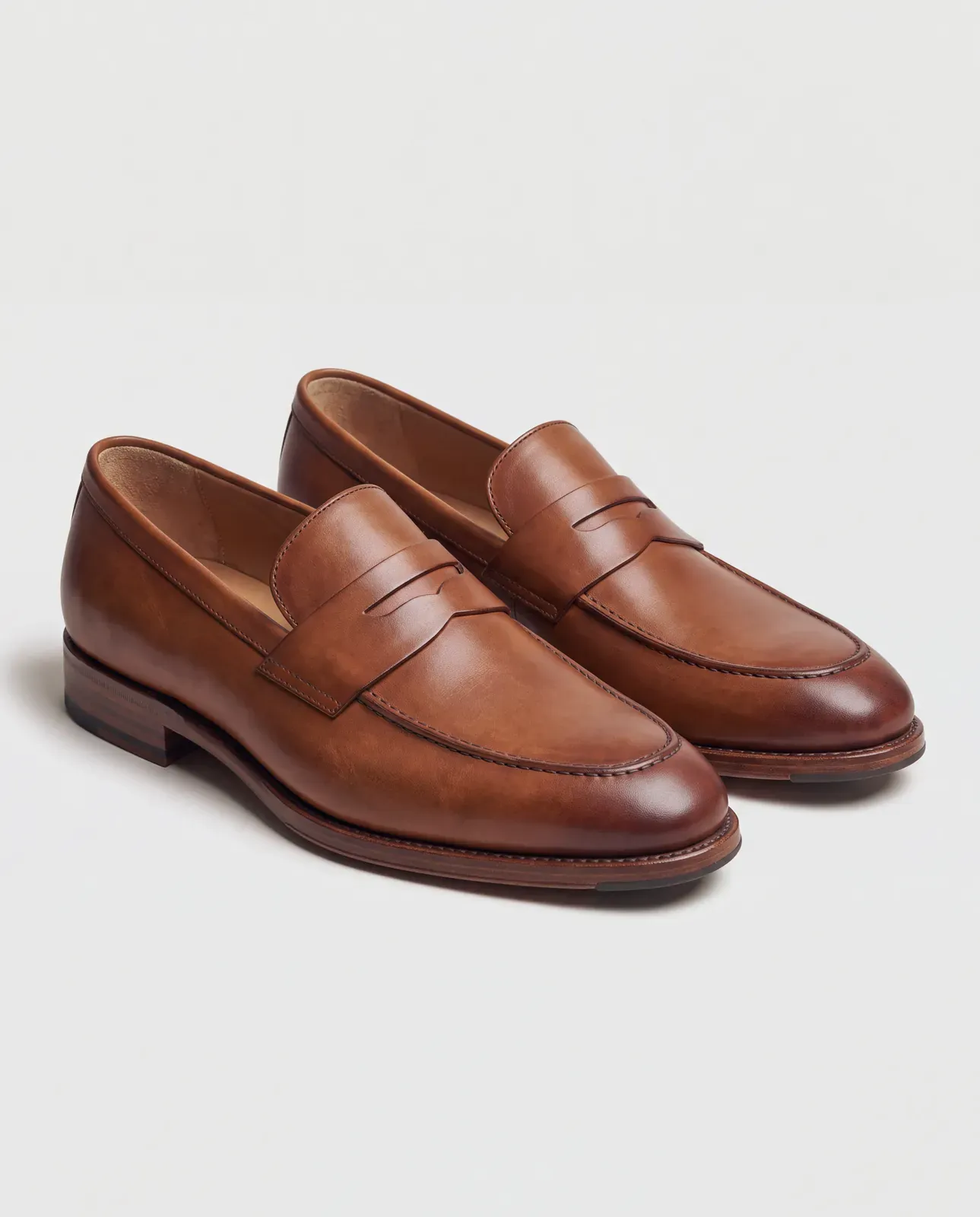
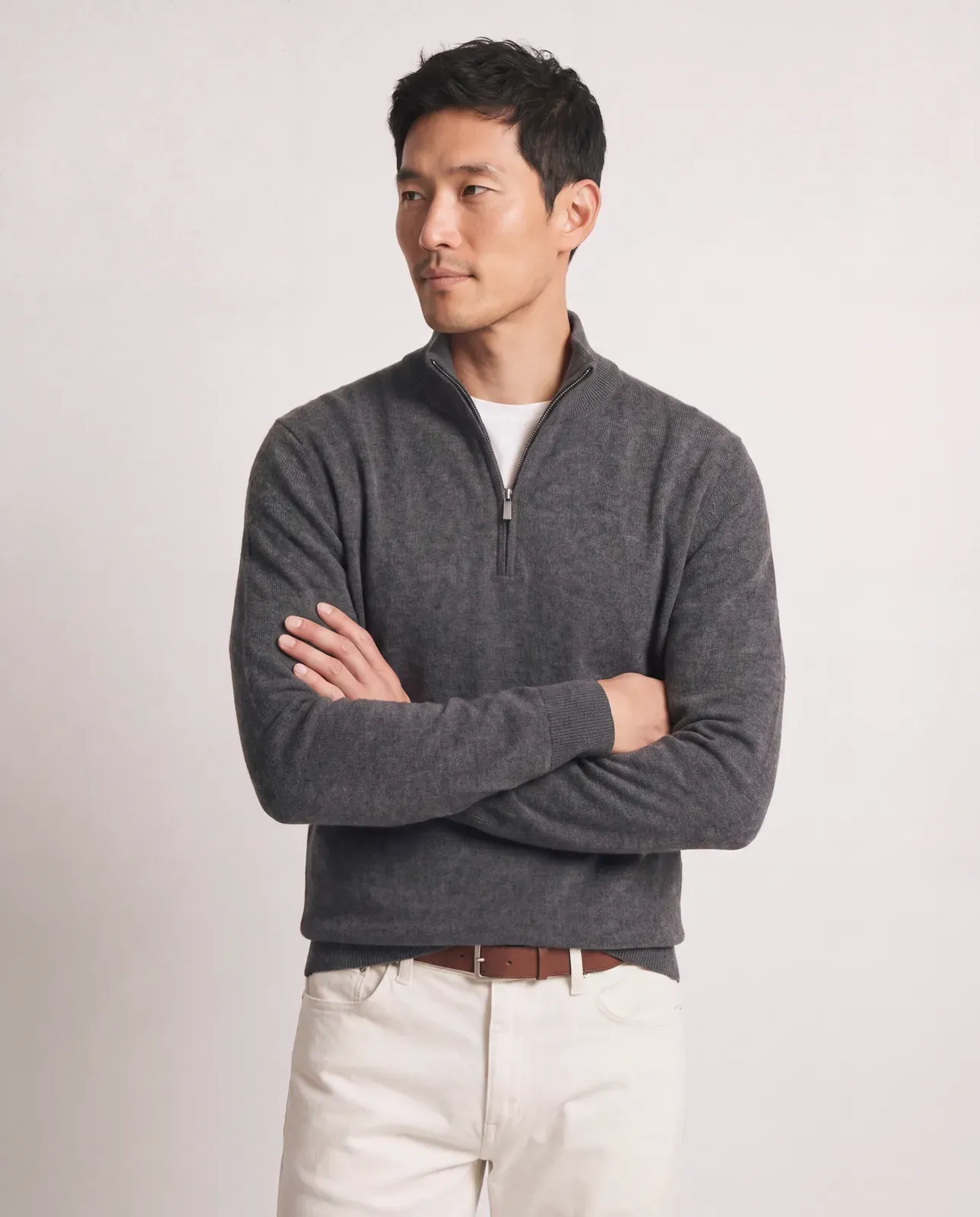
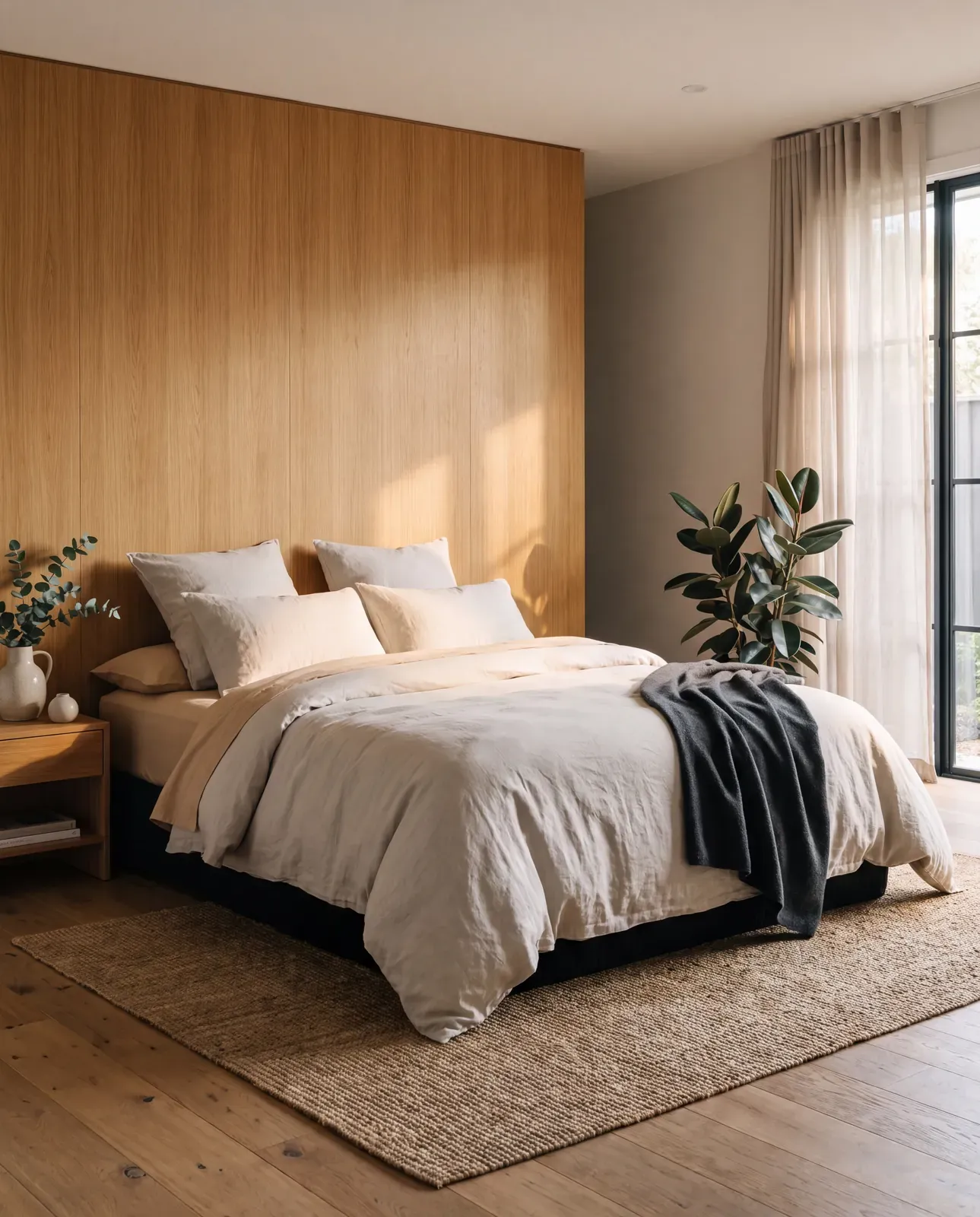
None of them.
None of the environments was photographed. Each was built around a real product reference, then retouched and checked against what the brand sells.
A photoshoot ties every new environment
to another physical production day.
- Photographer
- Studio hire
- Location
- Styling
- Props
- Equipment
- Retouching
- Coordination
- Three weeks
The environment controls the production cost and schedule.
Keep the product photography you already have. Replace the physical set, location and repeated booking when those are not the part that needs to change.
What changes when the environment is generated.
Faster
- Days, not weeks
- No booking, no shoot day
- No waiting on someone else’s edit
Uncapped scale
- Volume is not capped by shoot days
- Every SKU, not the ones that made the shoot list
- A fraction of a traditional production budget
- Test ten directions, not the one you could afford
Better
- Not just one location. As many as the product suits
- More locations, more ways to style your product, more buyers who can picture it as theirs
Our process, from start to finish.
- 01
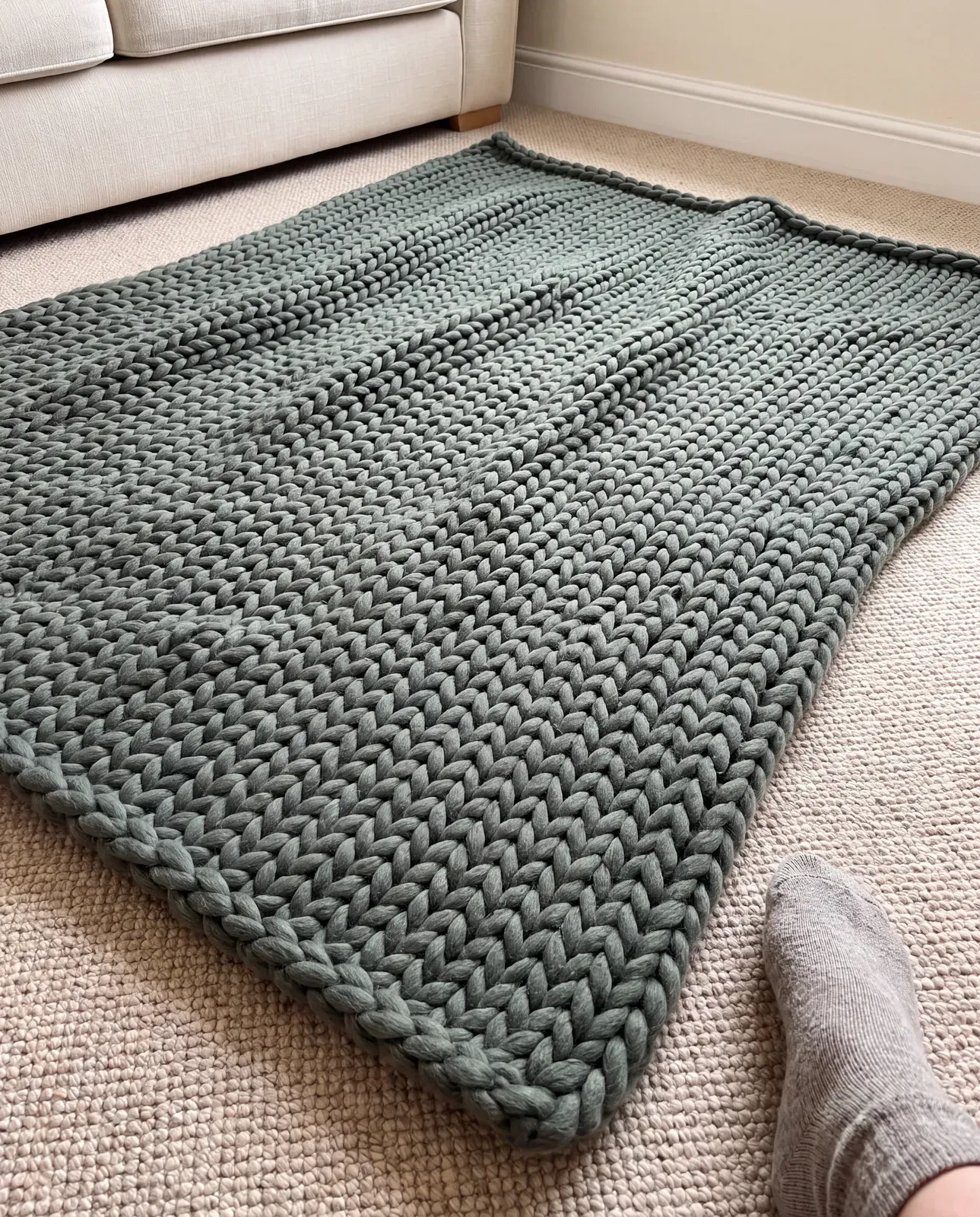
Source review
We confirm what the references can support accurately.
We review the product photographs, dimensions, colours, finishes and intended uses before agreeing the scope. If the source cannot support a truthful result, we identify the gap first.
- 02
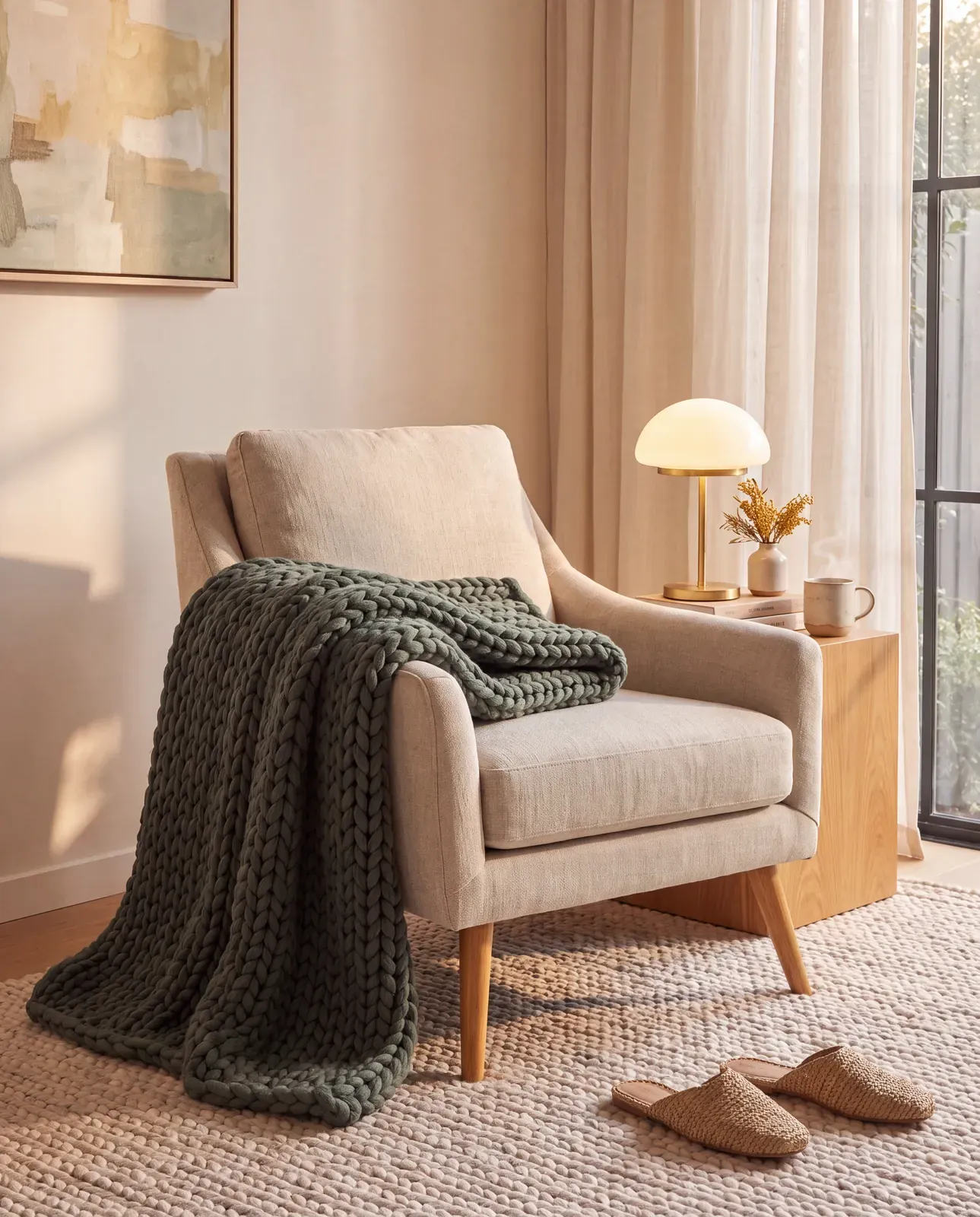
Creative direction
We define the visual job of every frame.
We plan the environments, lighting, composition and formats around the product and the channels where the finished work will run. Existing brand direction is followed where it is useful.
- 03
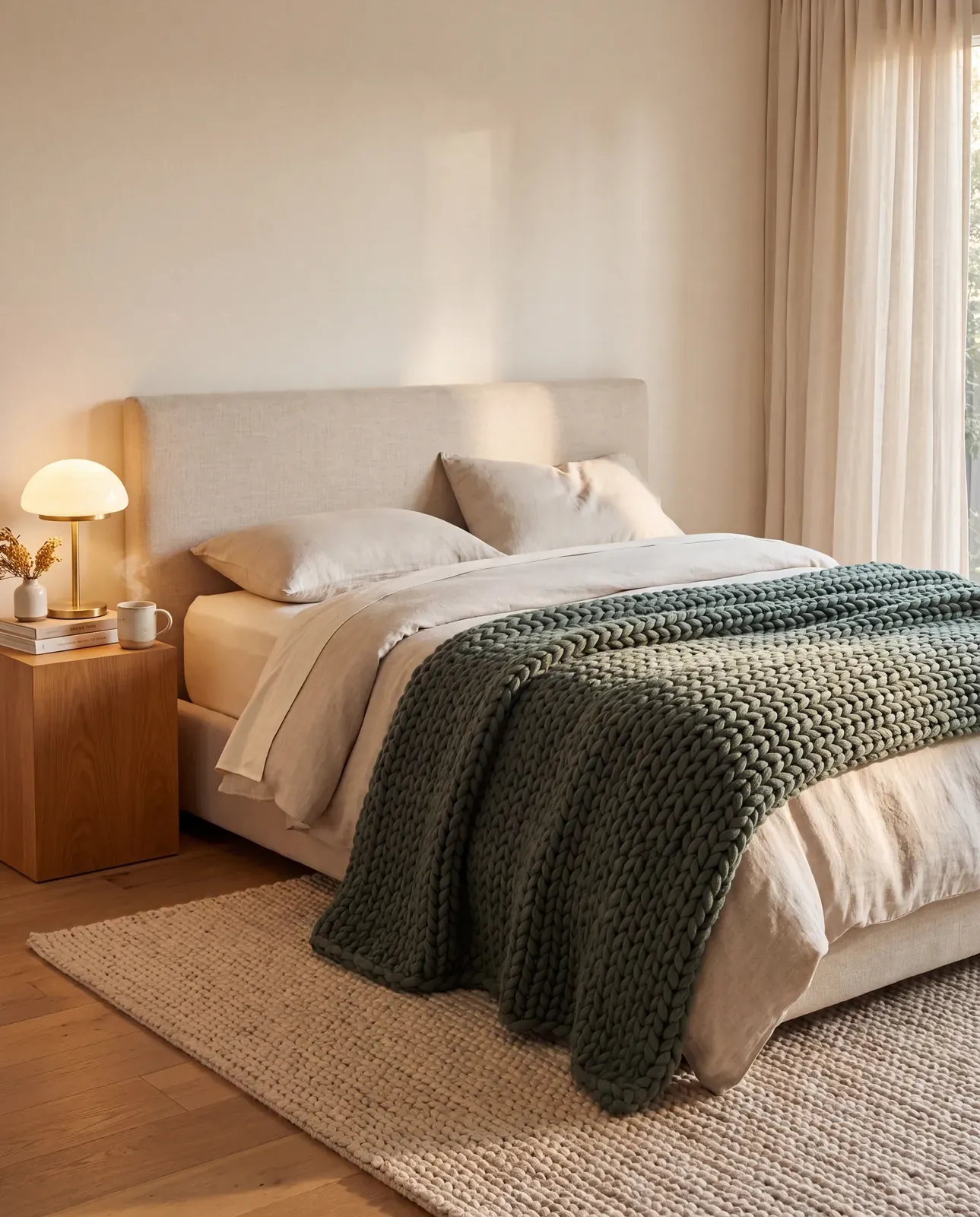
Direction approval
A representative first set settles the visual world.
You review a small number of directions before the complete batch is produced. This is where the room, styling and treatment are corrected without repeating the change across every asset.
- 04
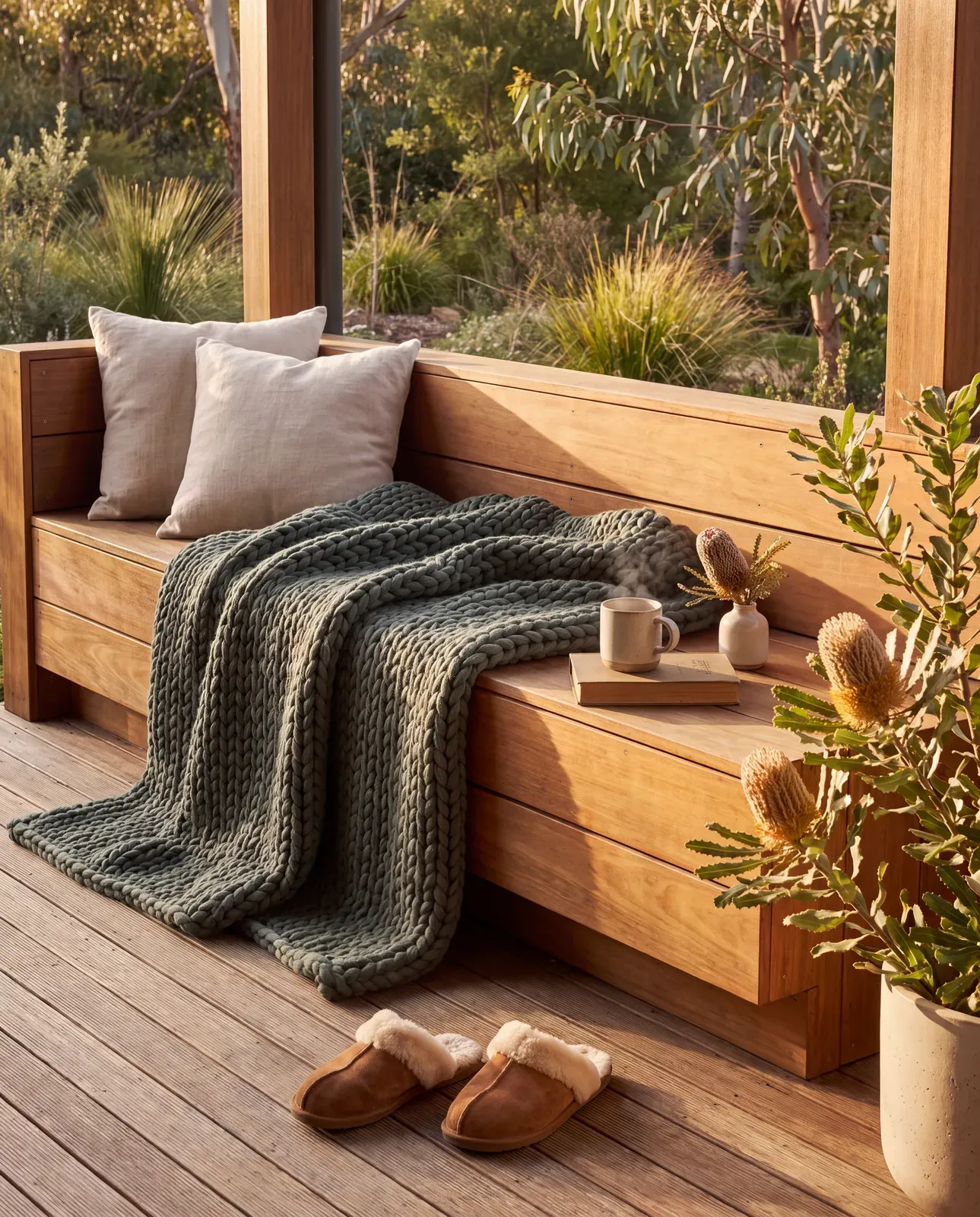
Production
We build the approved environments around the product.
The environment is generated. The product remains anchored to the real reference, with its proportions, materials, colours, finishes and configuration checked during production.
- 05
Retouch and check
Generated output becomes a finished marketing asset.
We correct shadows, reflections, edges, colour and visible generation faults by hand, then compare the finished product representation with the supplied references.
- 06
Deliver
Files prepared for the channels in the brief.
Approved work is supplied at the agreed ratios, dimensions and naming convention, with web-ready and high-resolution versions where the project requires both.
Accuracy checks and scope changes are handled differently.
Product accuracy is part of the agreed work. A new creative direction is new work.
- Product accuracy: If a final image does not match the approved dimensions, colour, configuration or physical materials of the actual product, we correct it within the agreed project.
- Scope changes: A change to the approved product information, creative direction, location or set theme is assessed separately before additional work begins.



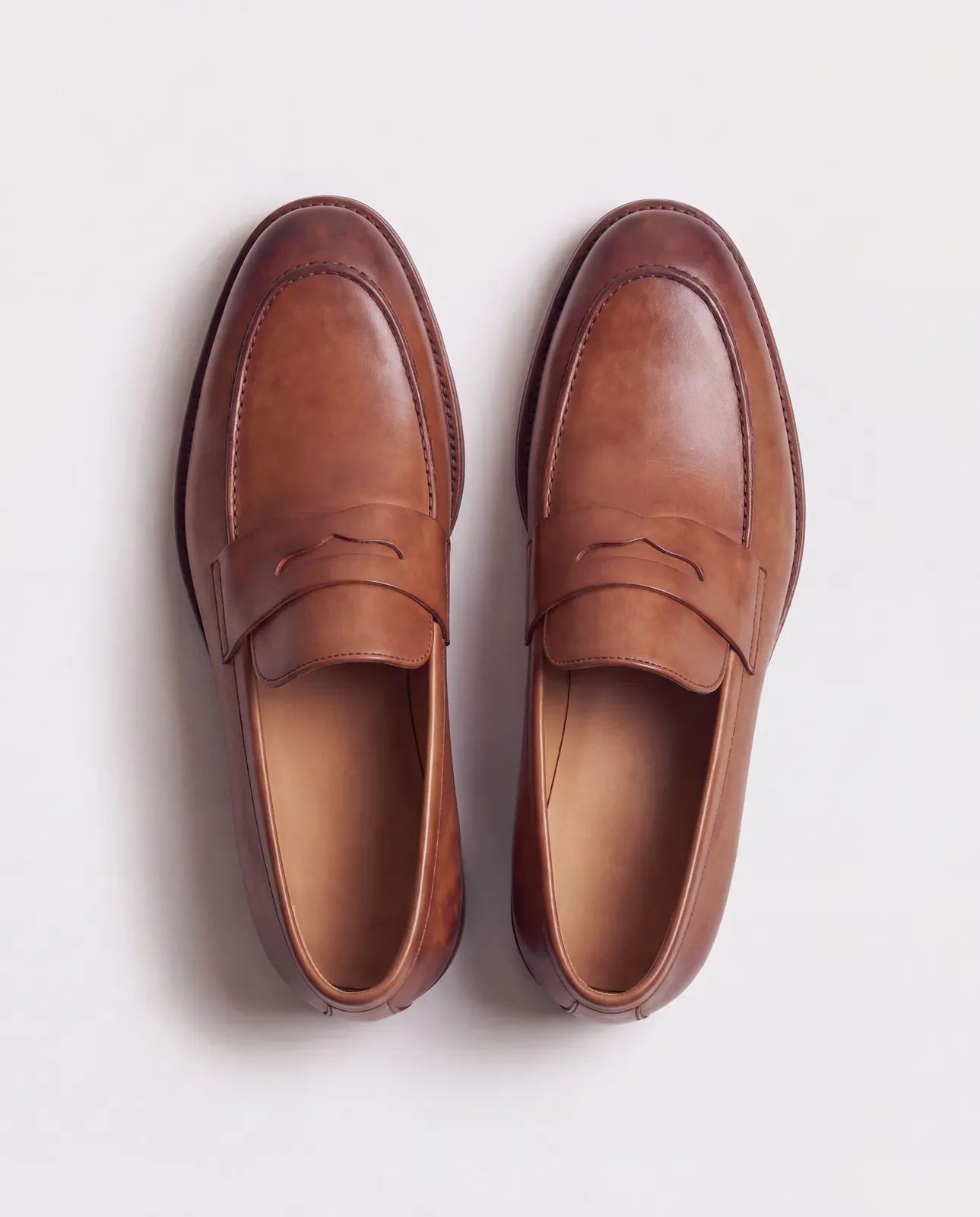
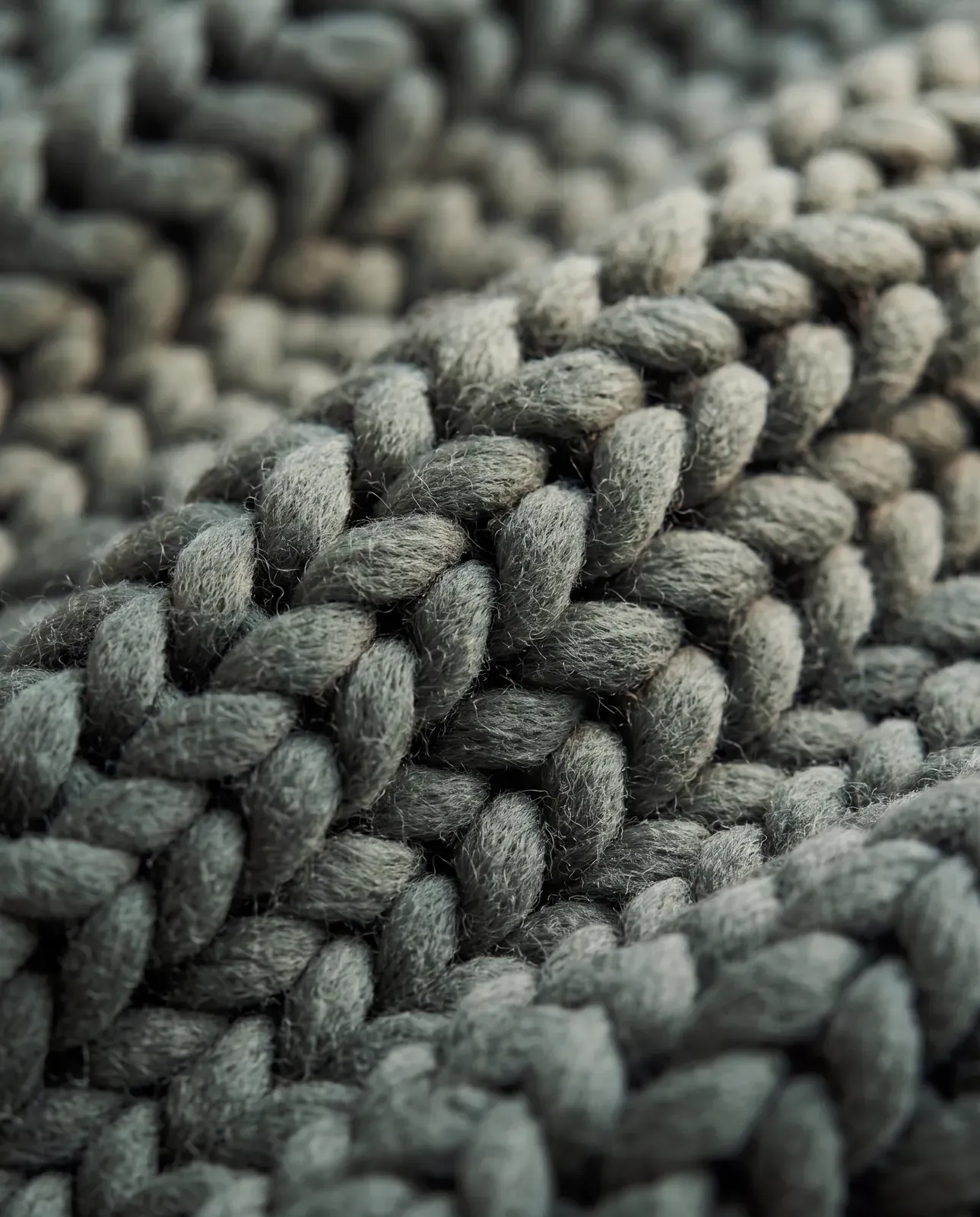
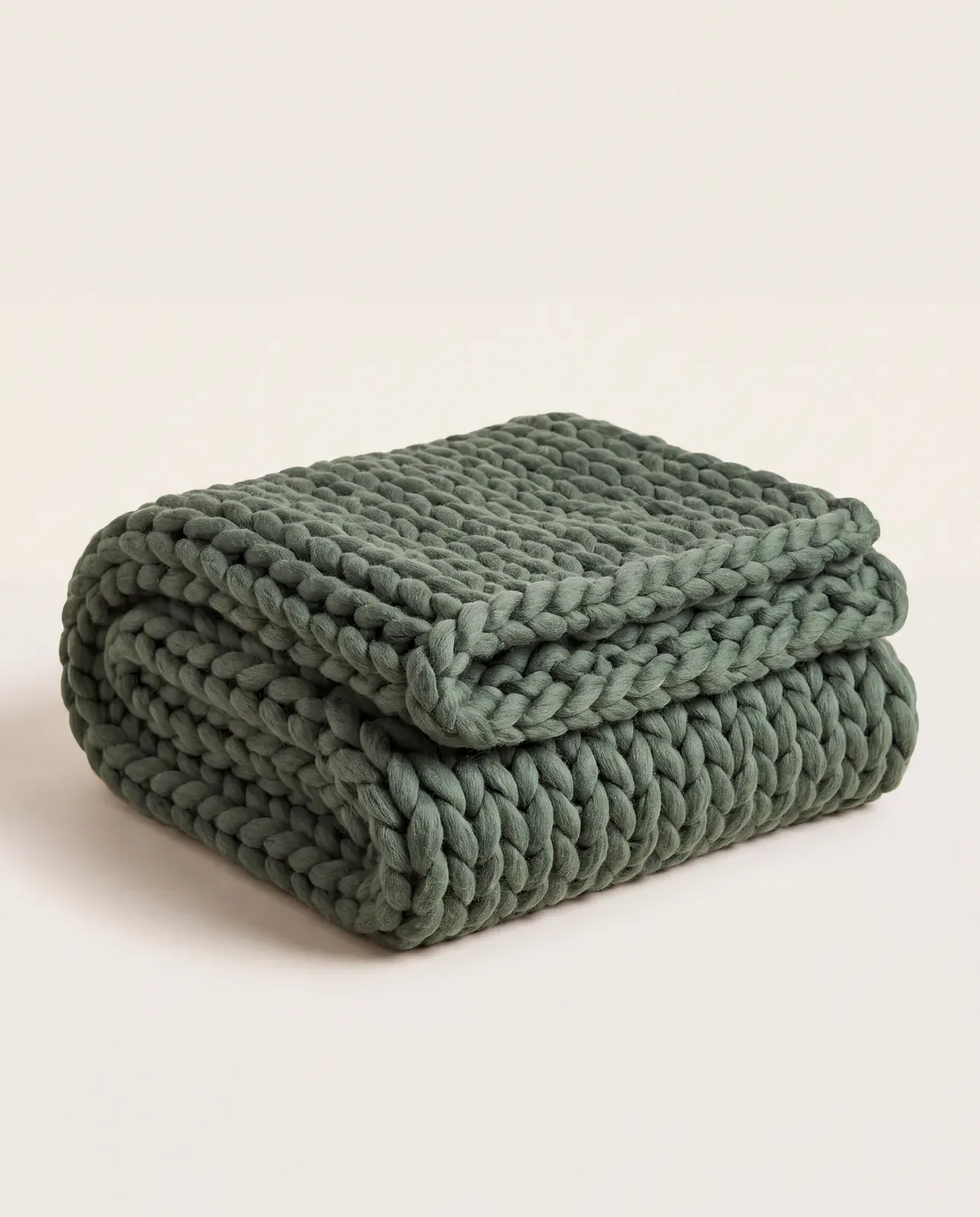
Every frame below started as an ordinary photograph of a real product.
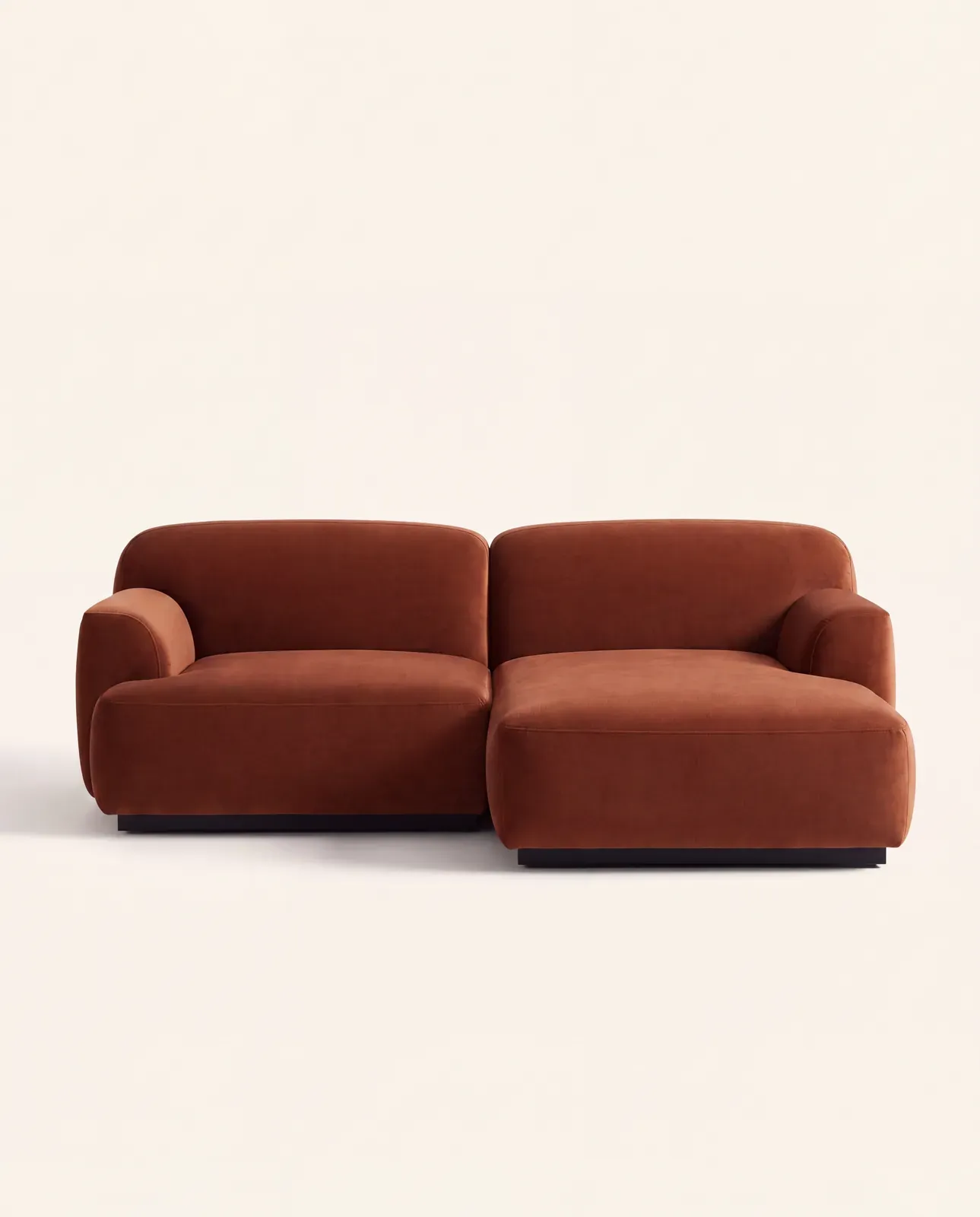
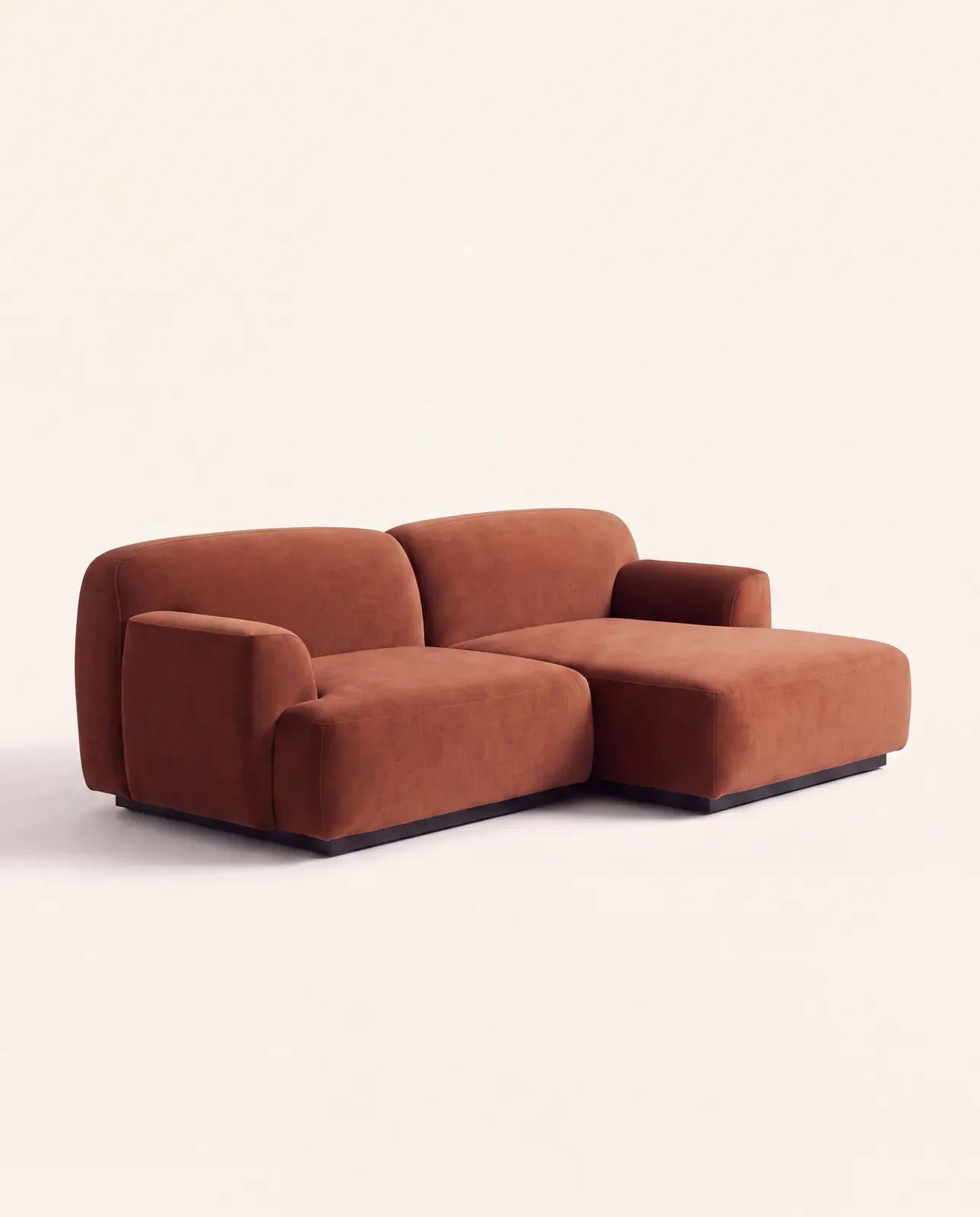
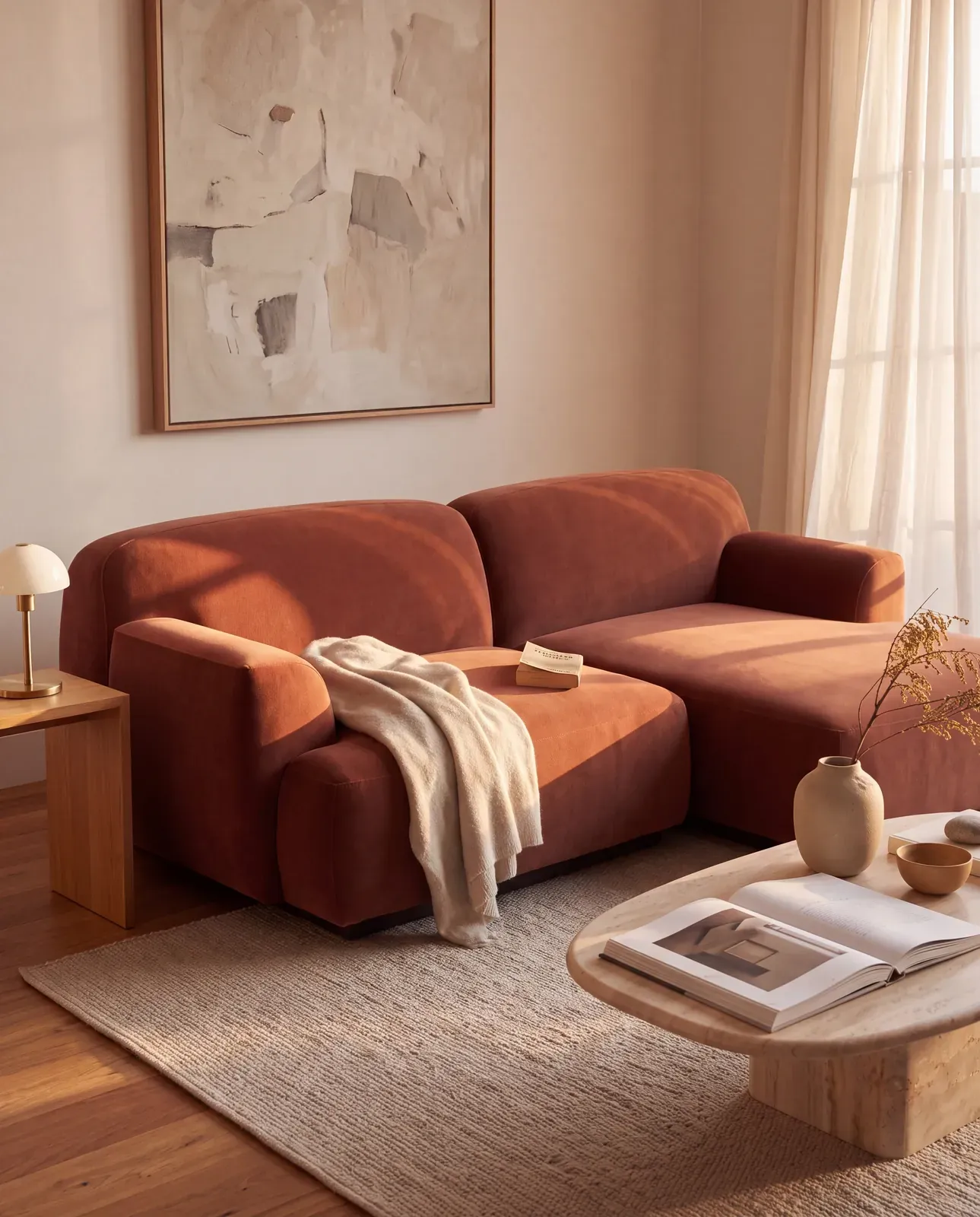

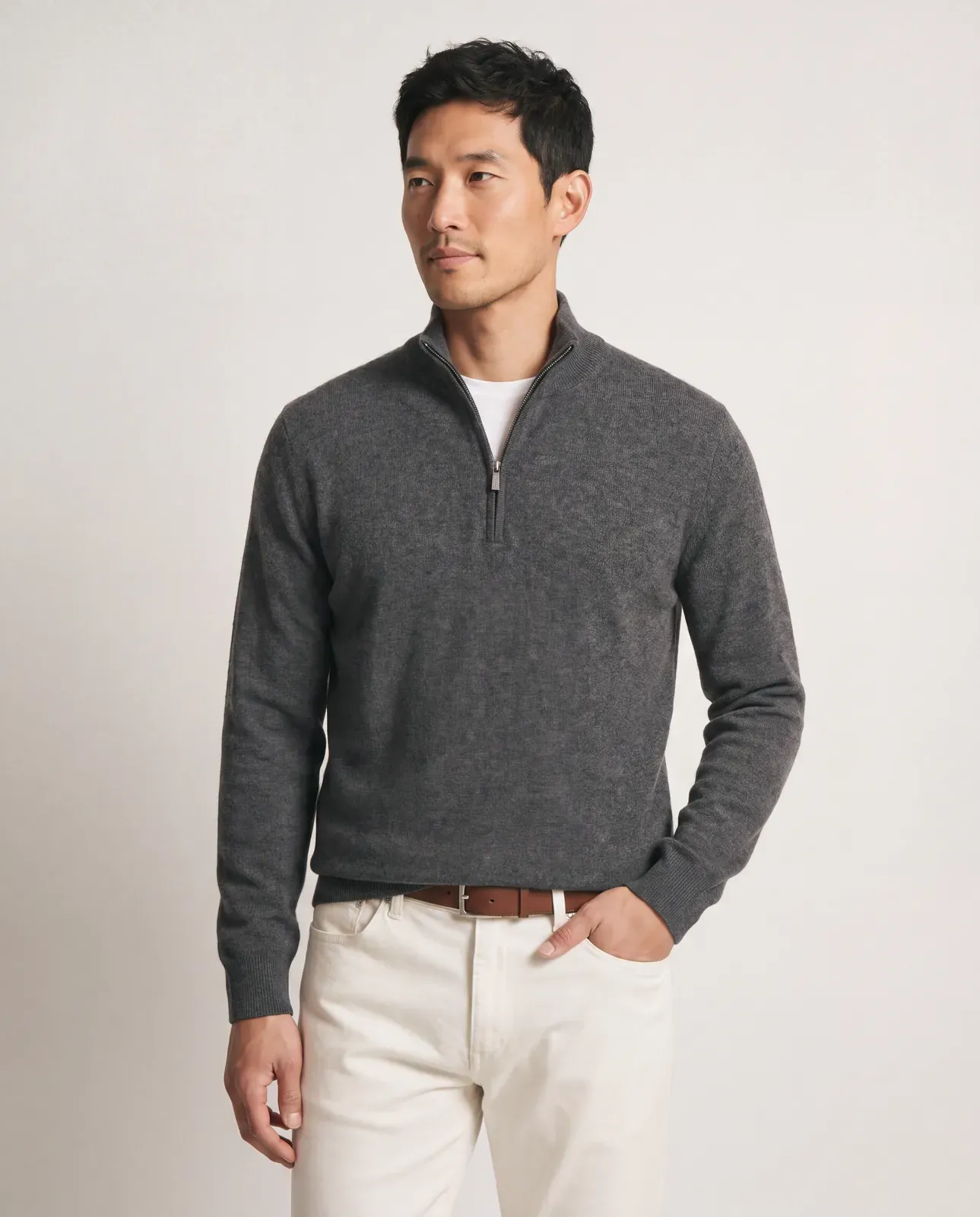
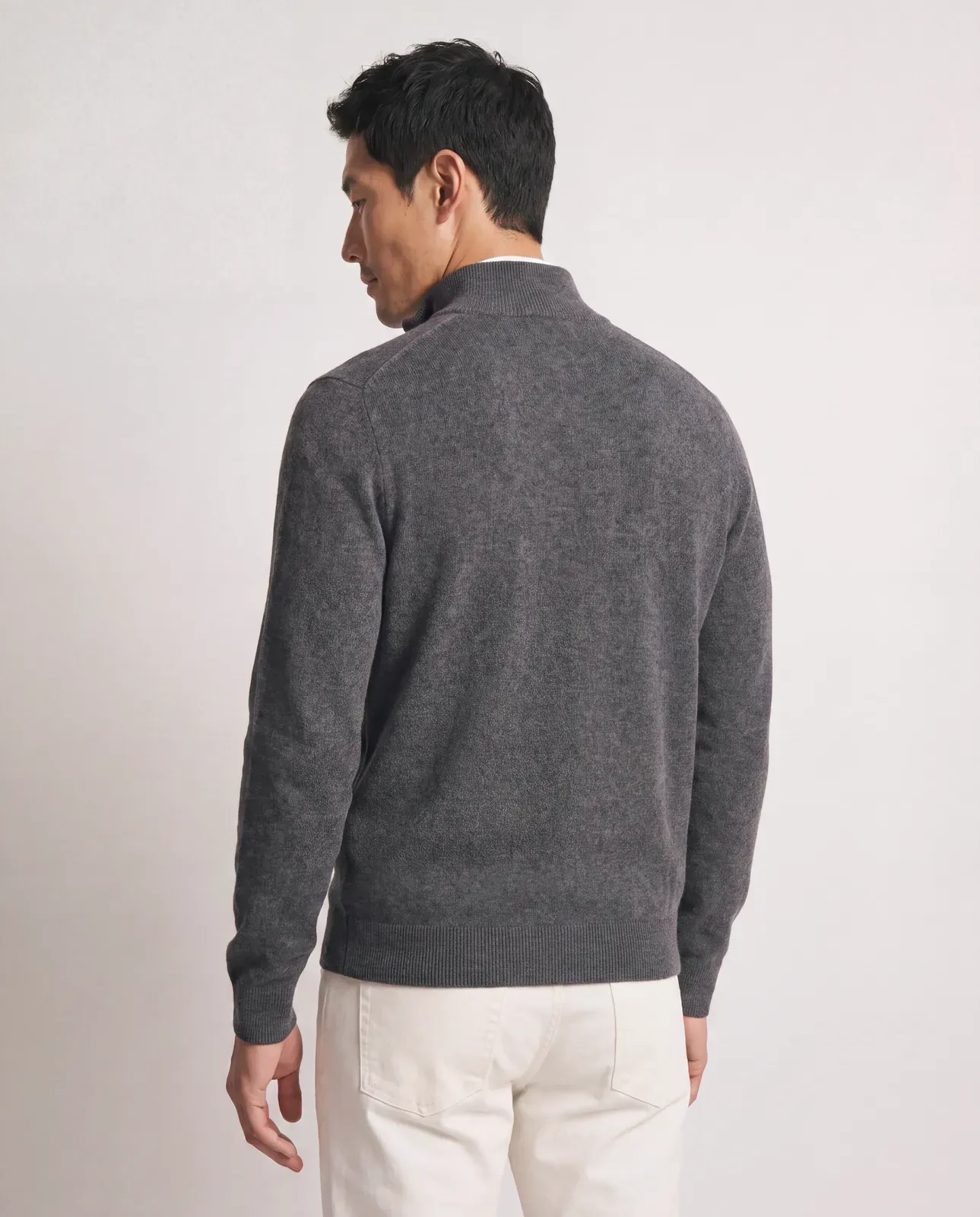
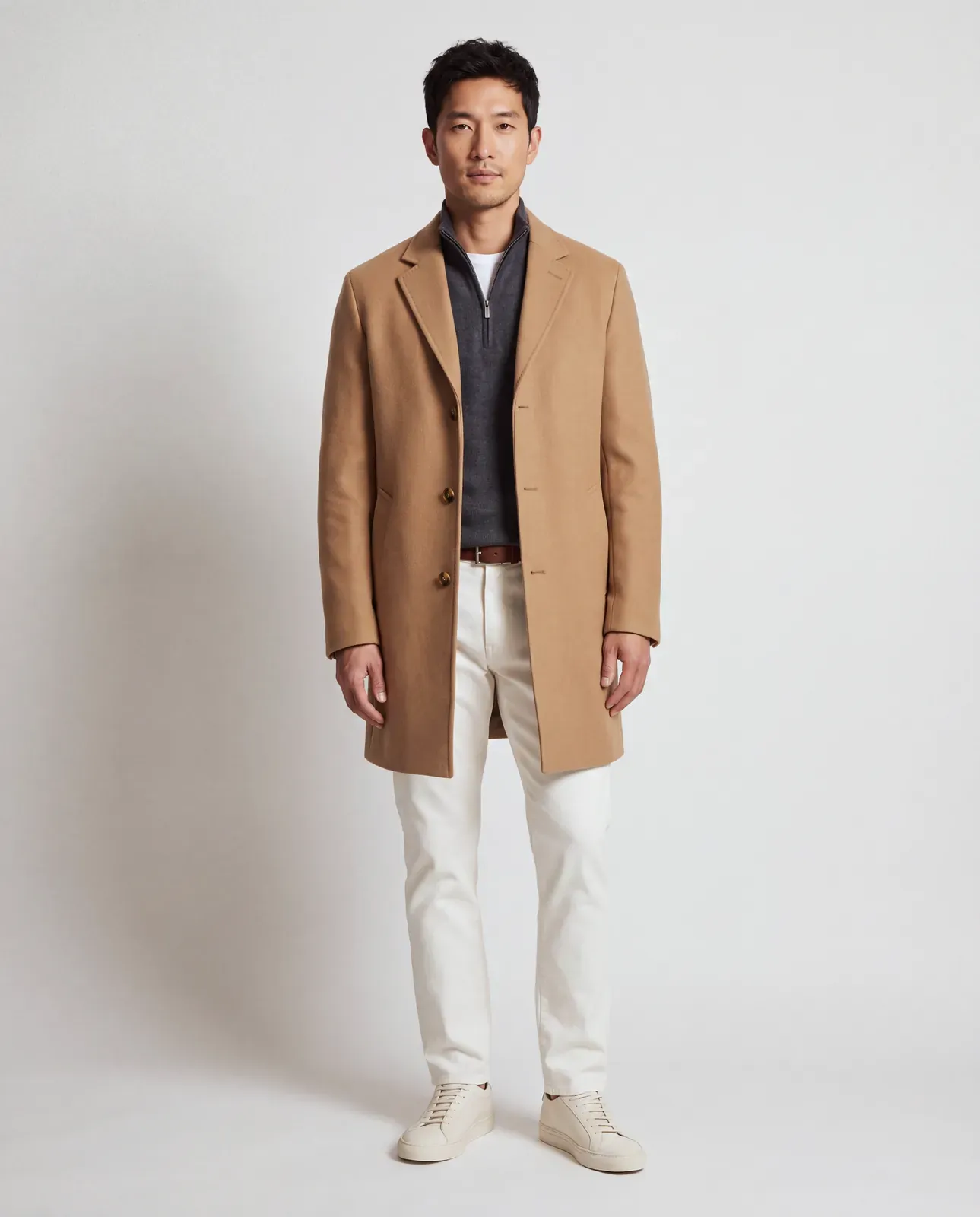
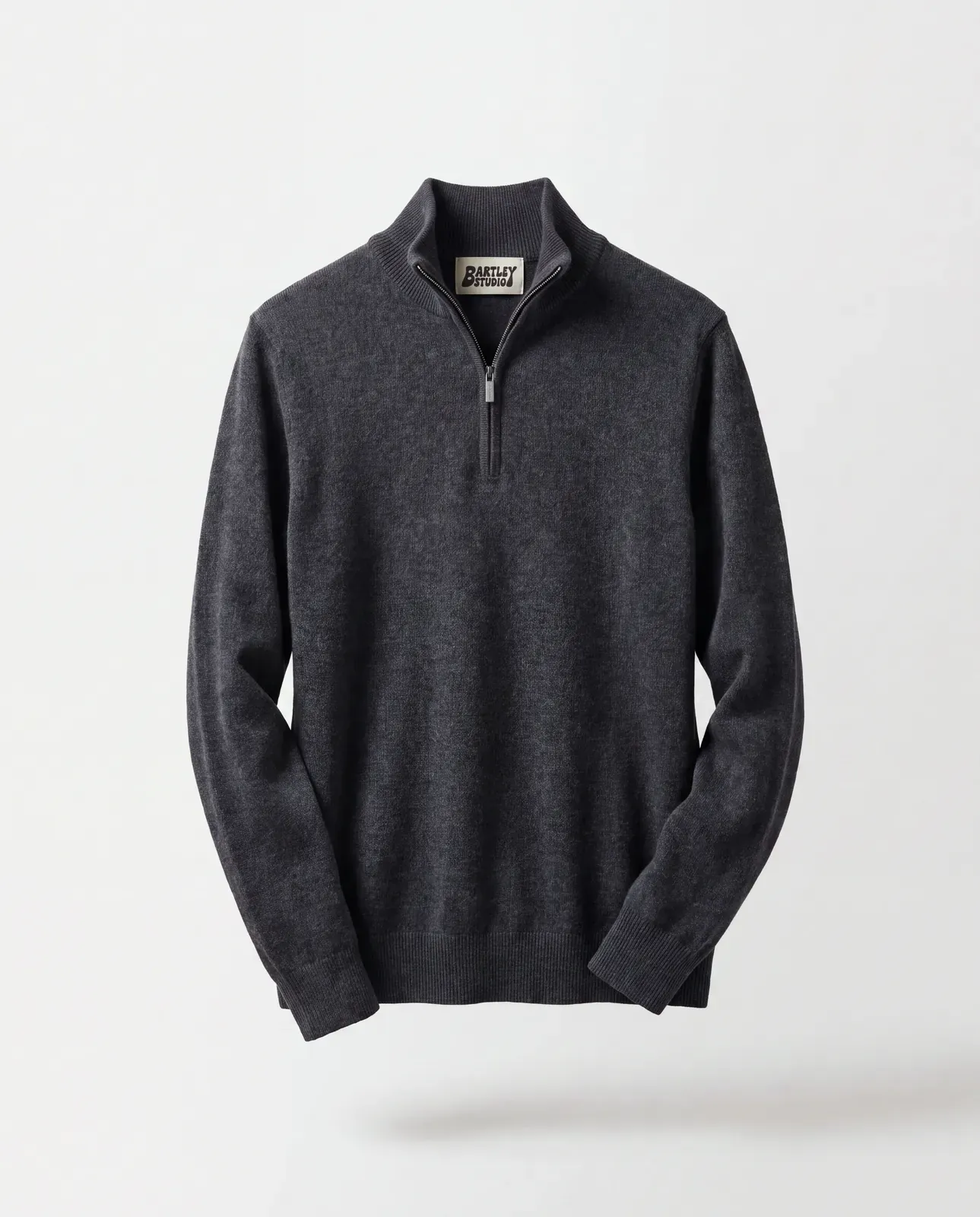

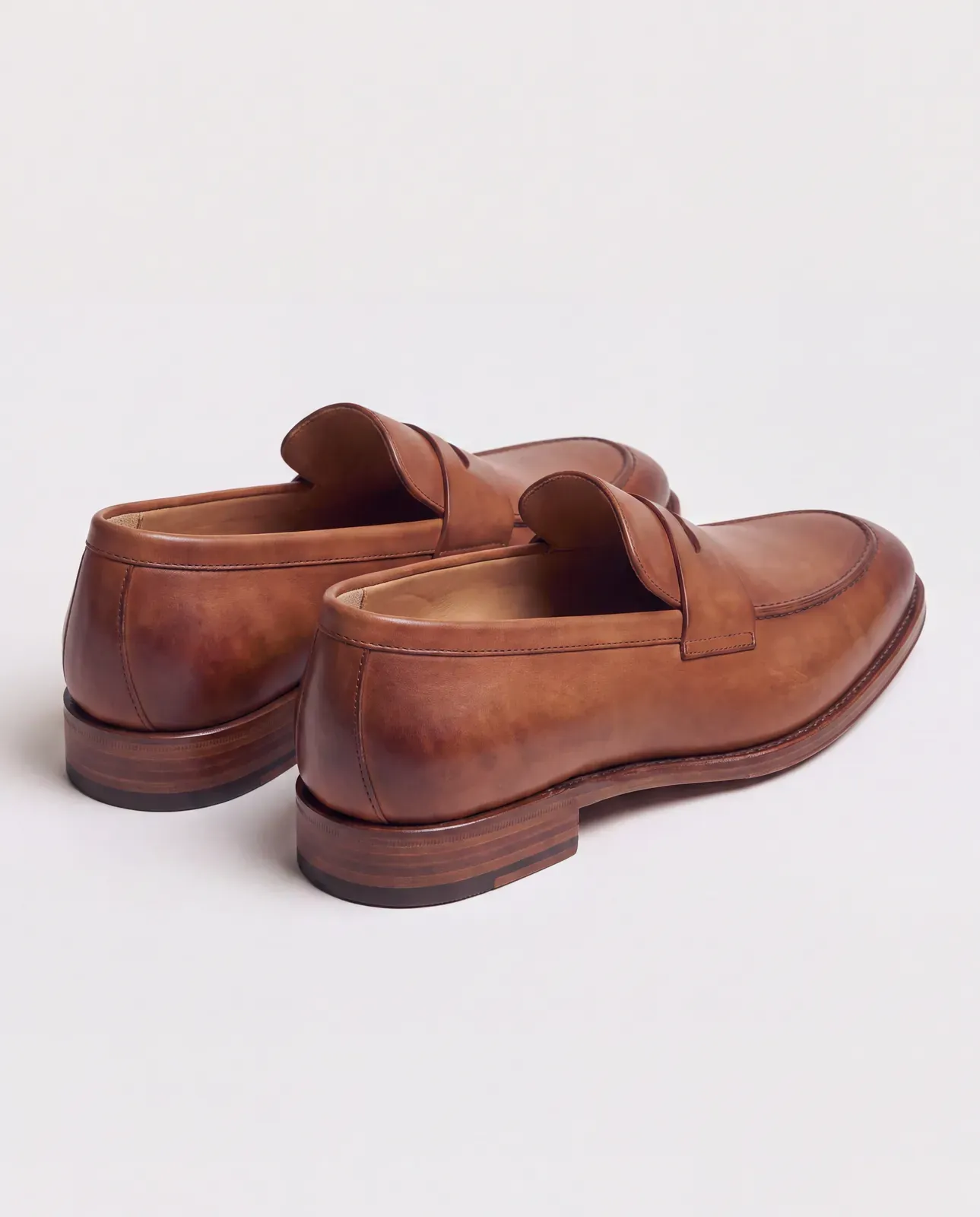
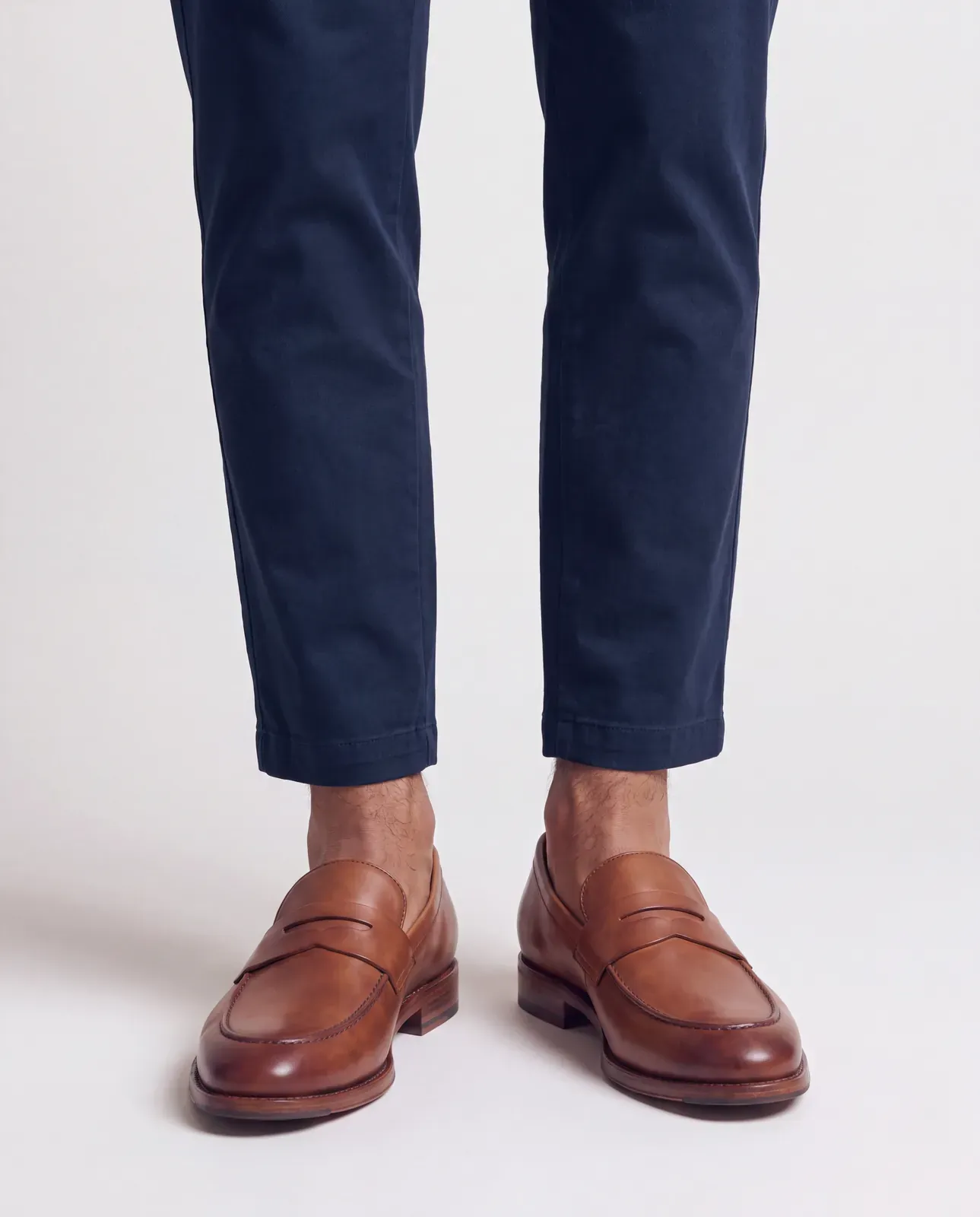
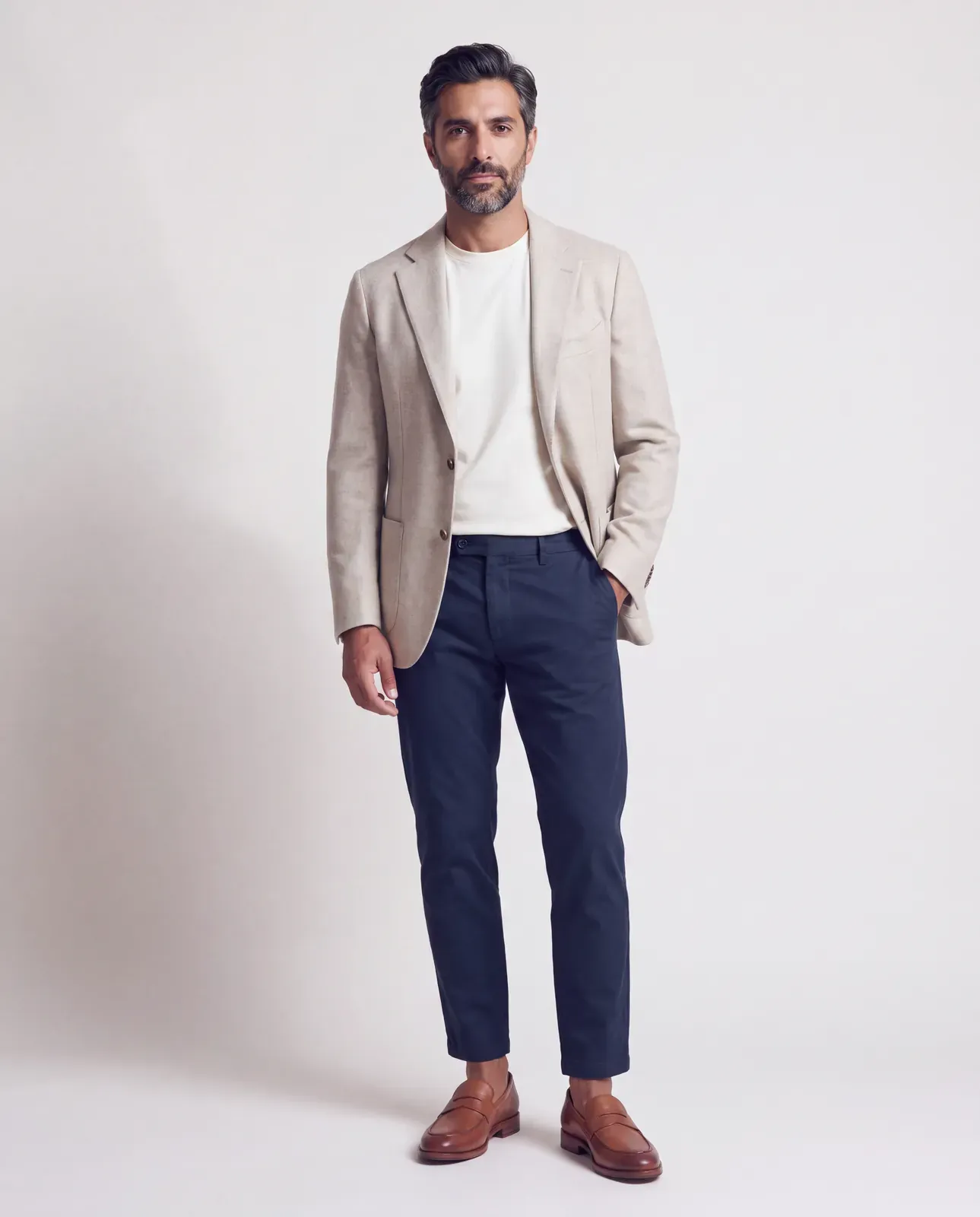
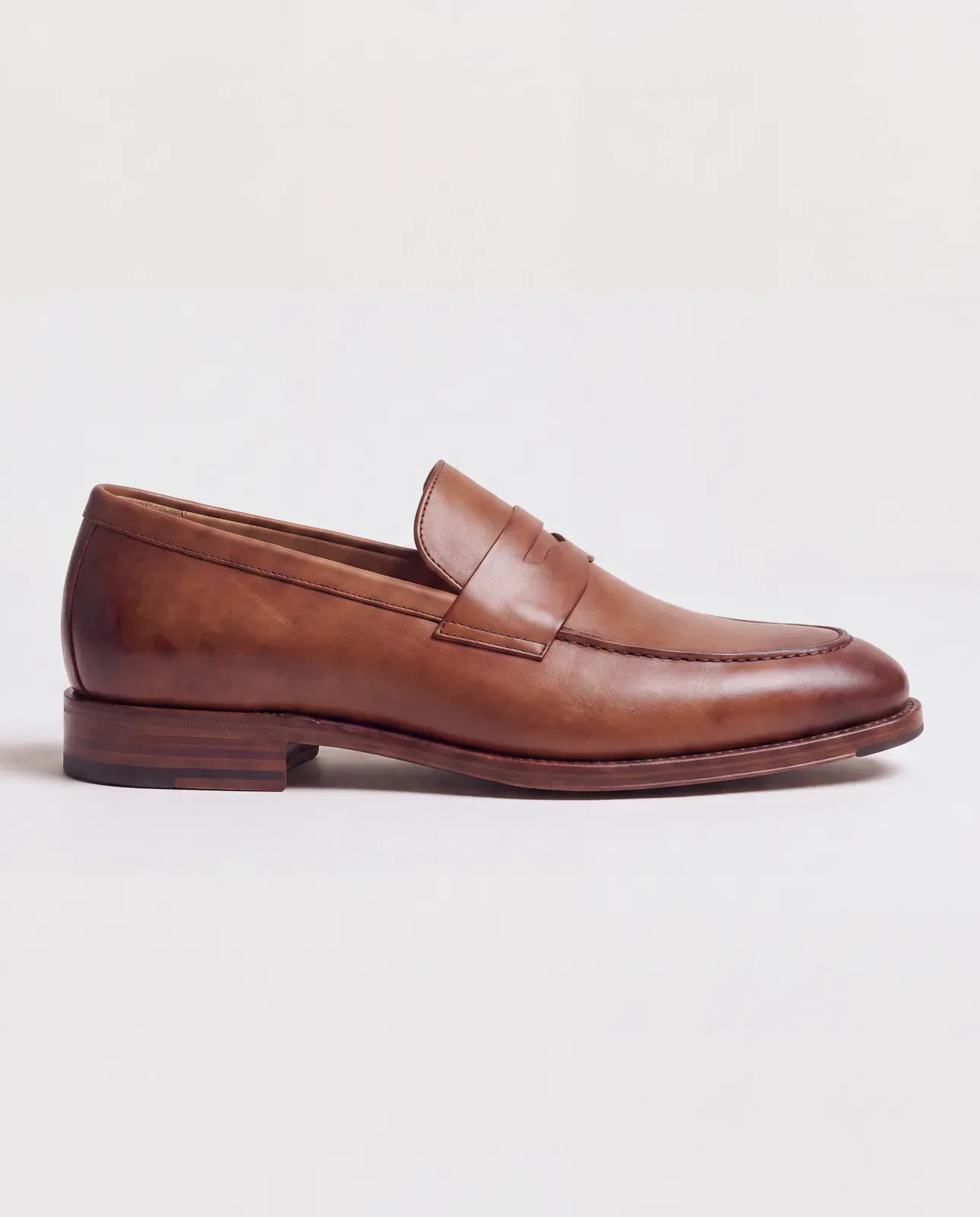

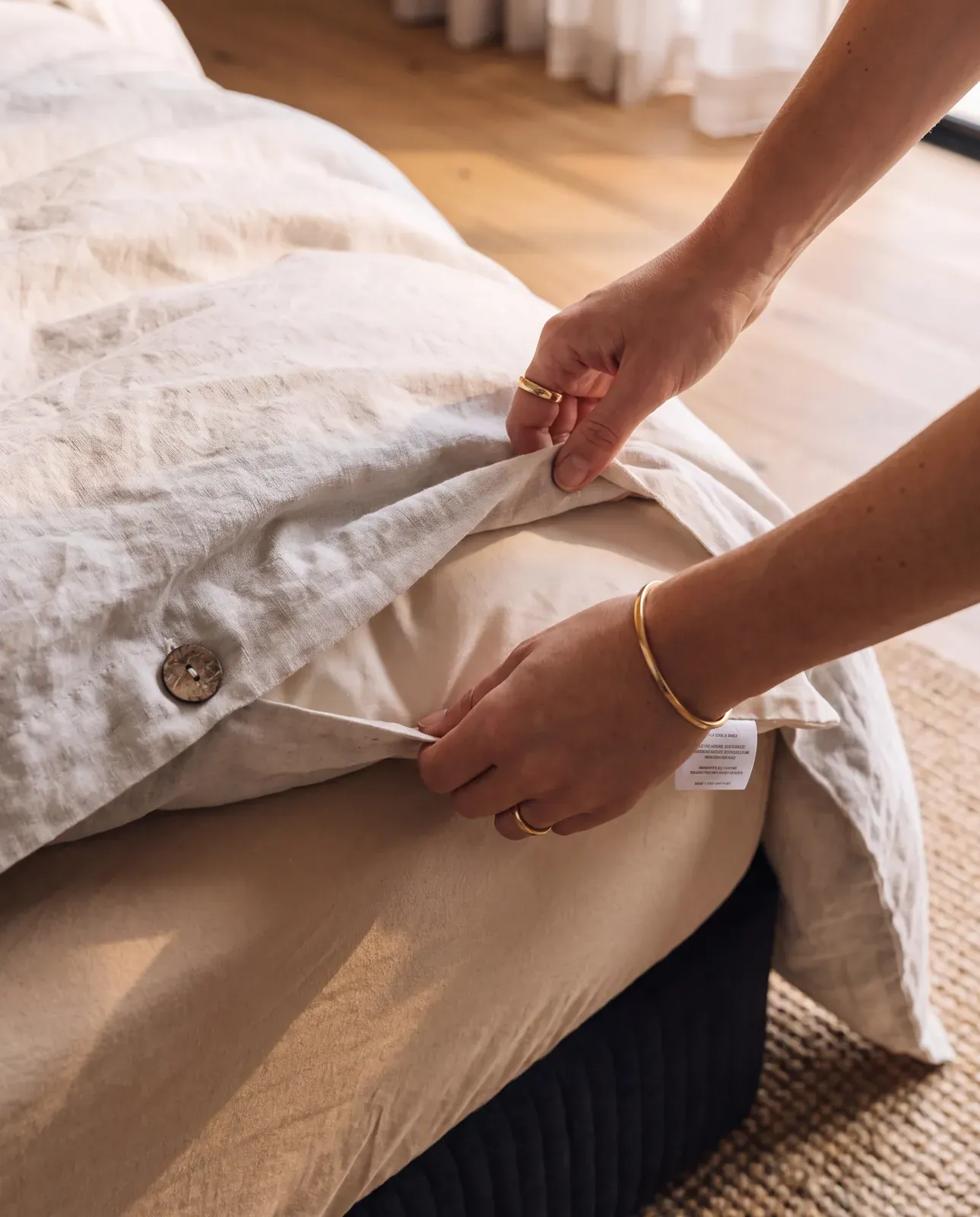
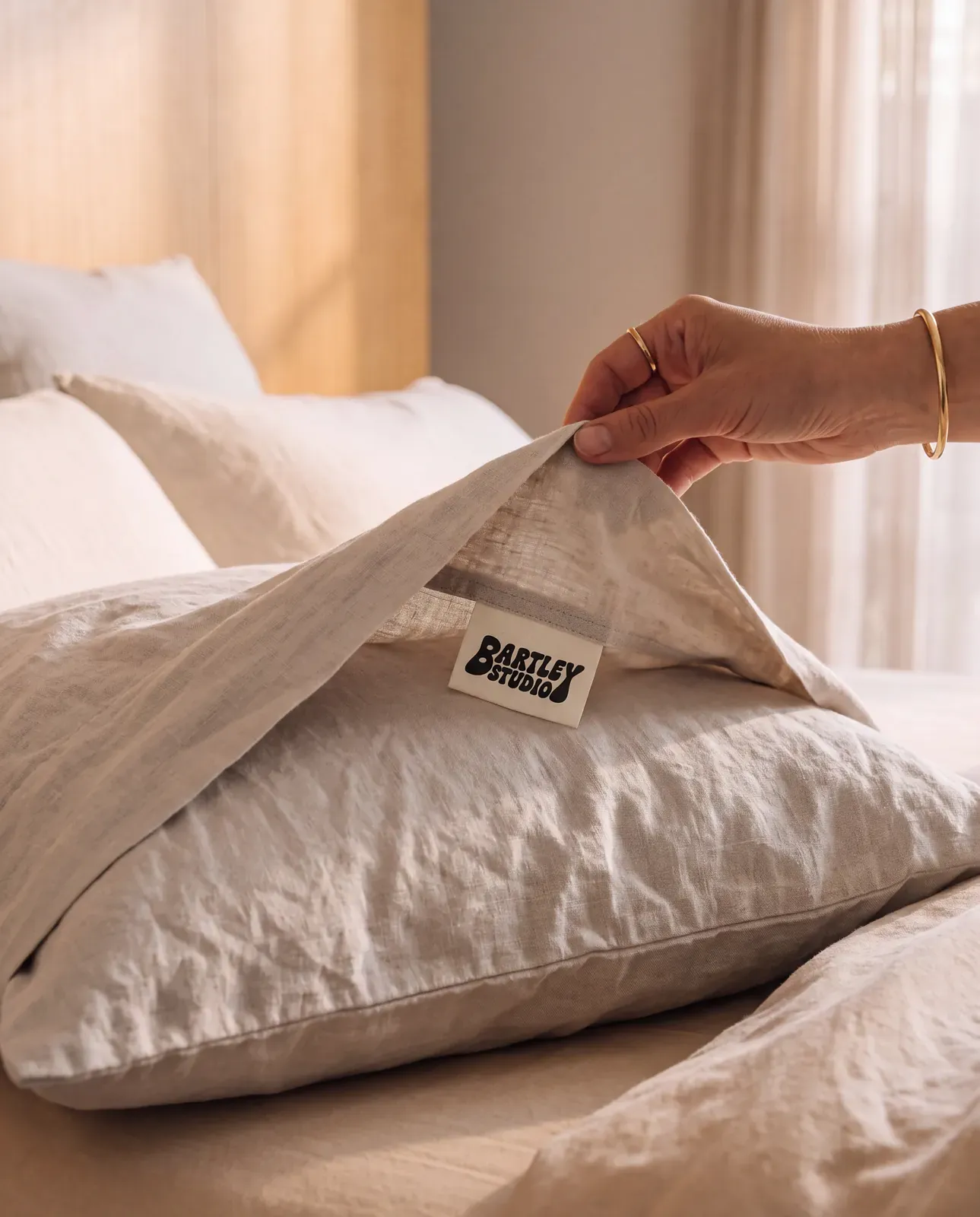


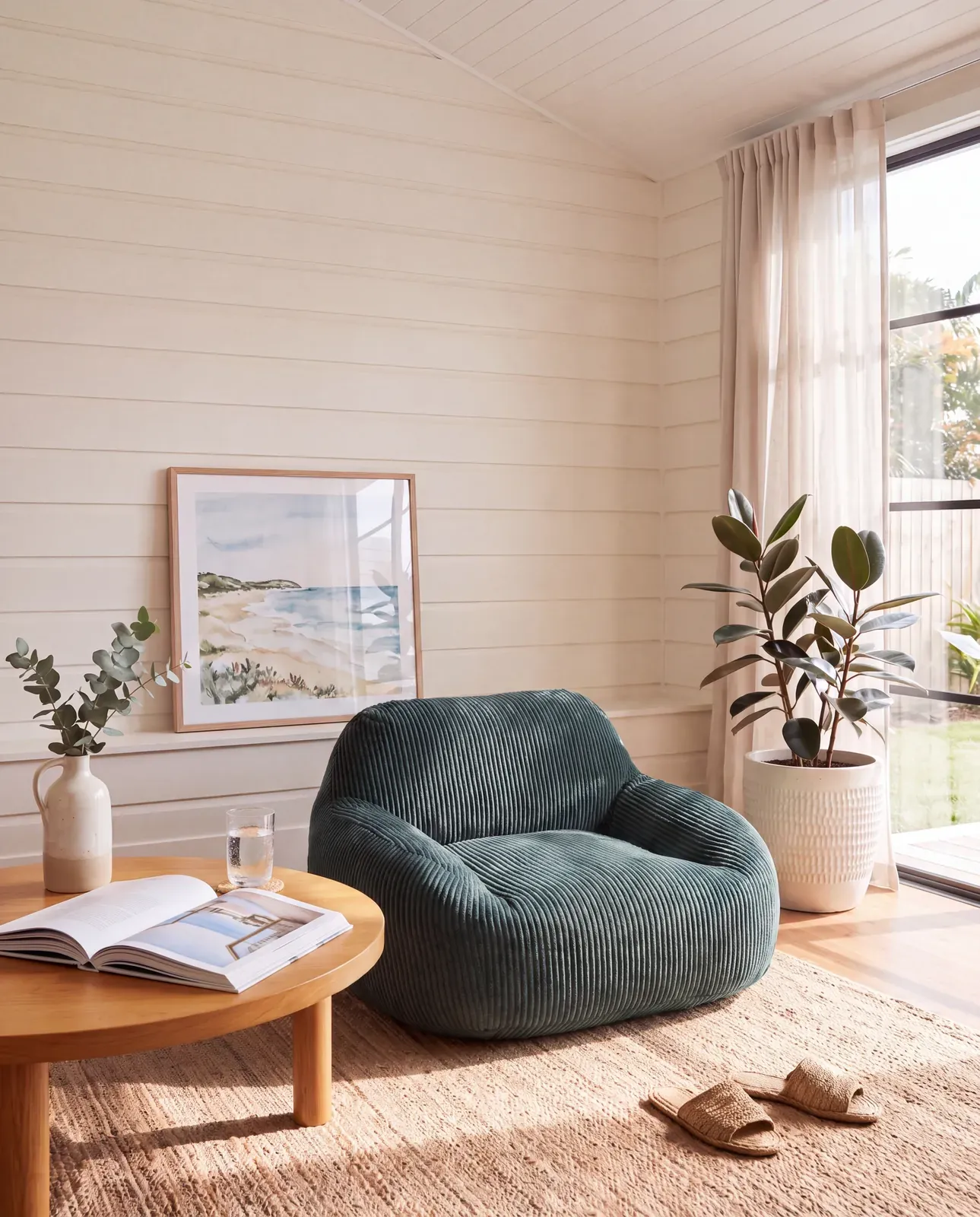

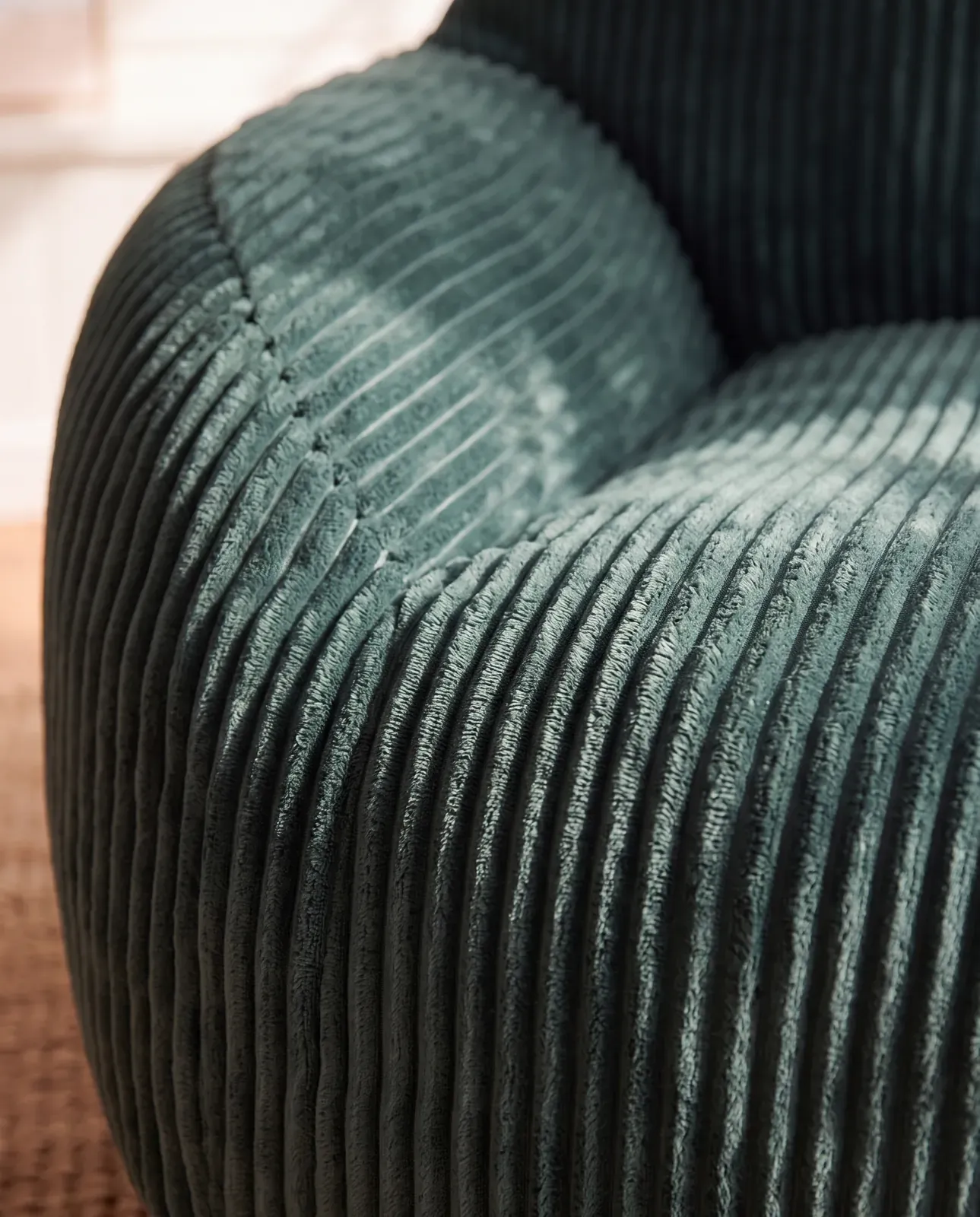
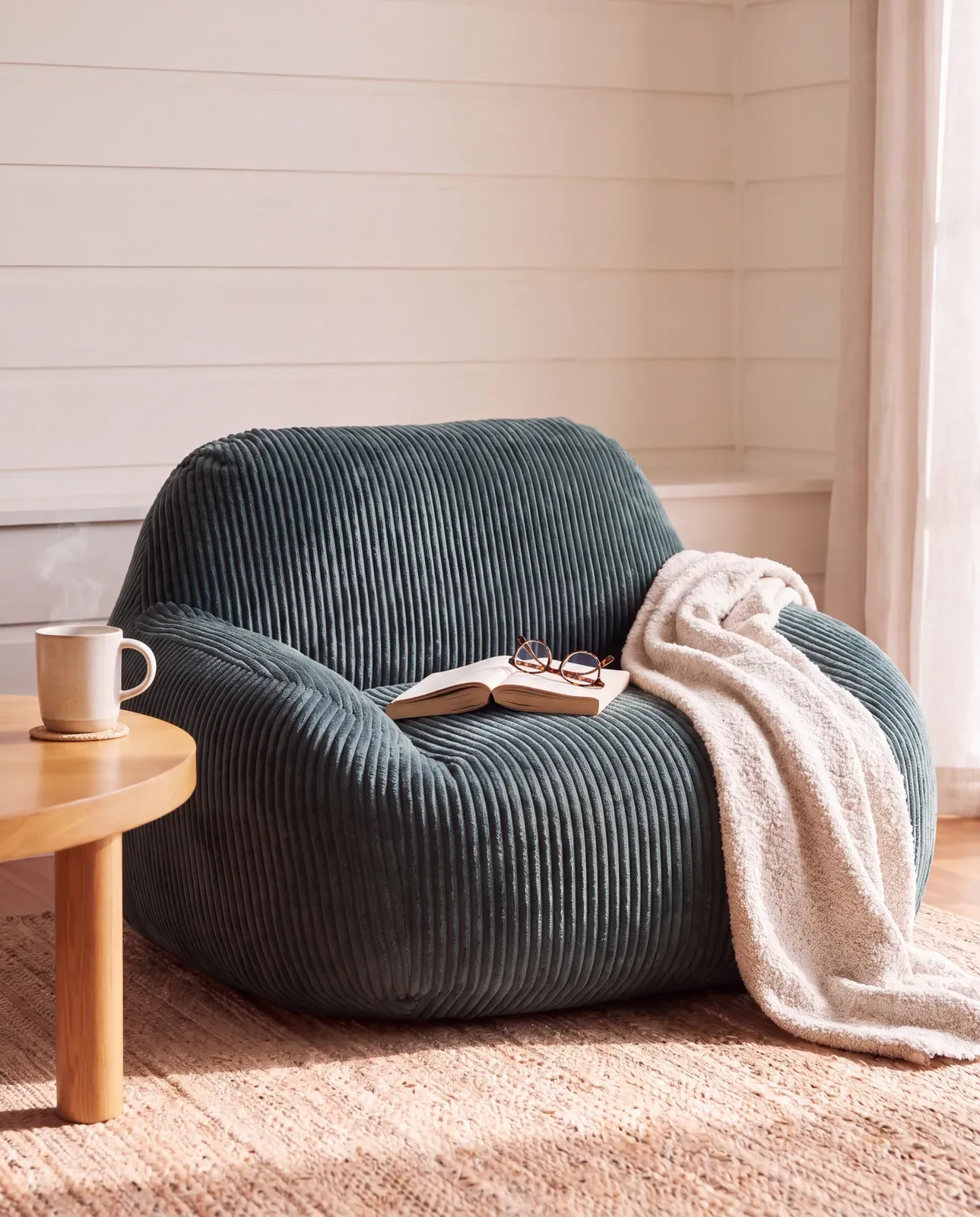
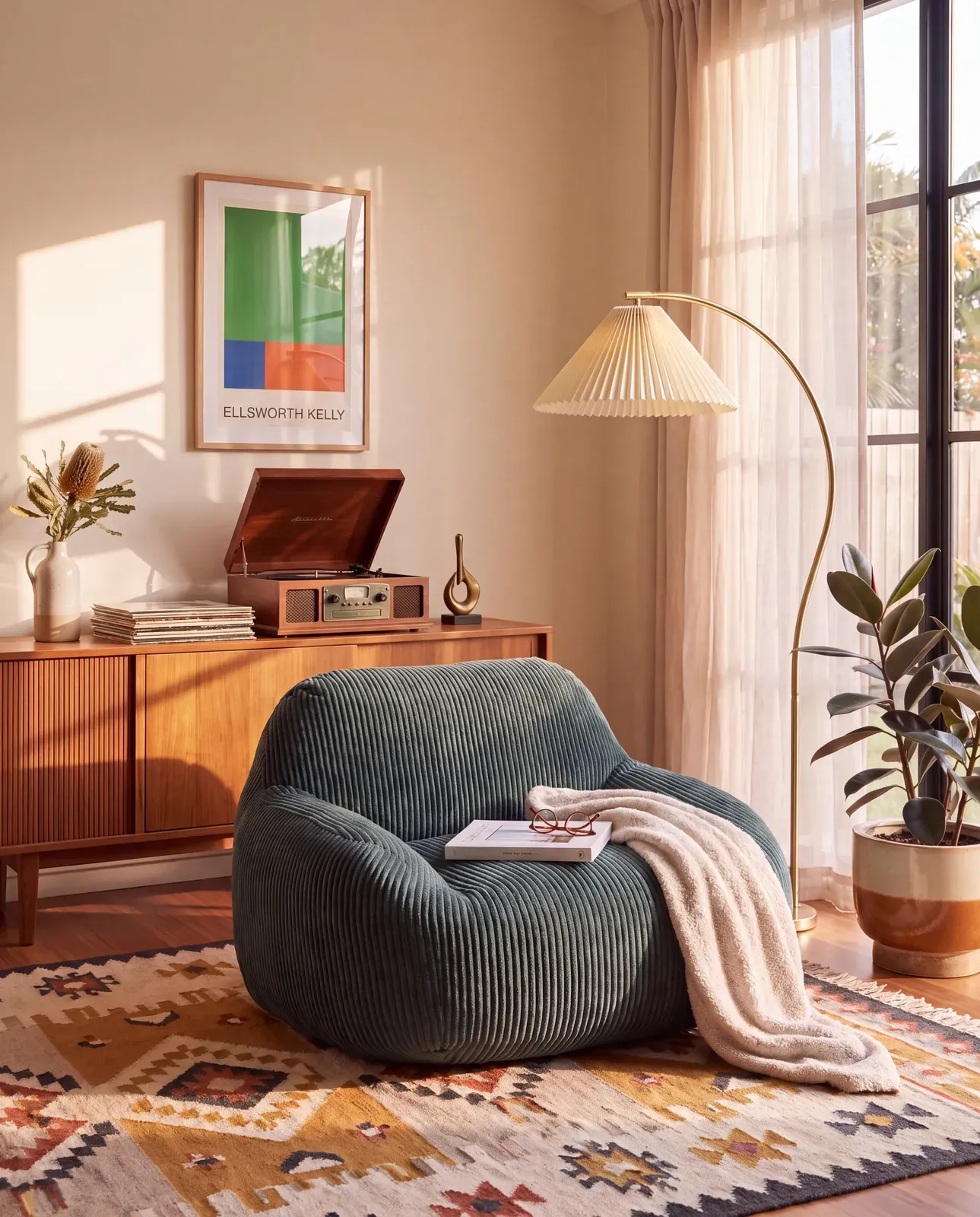
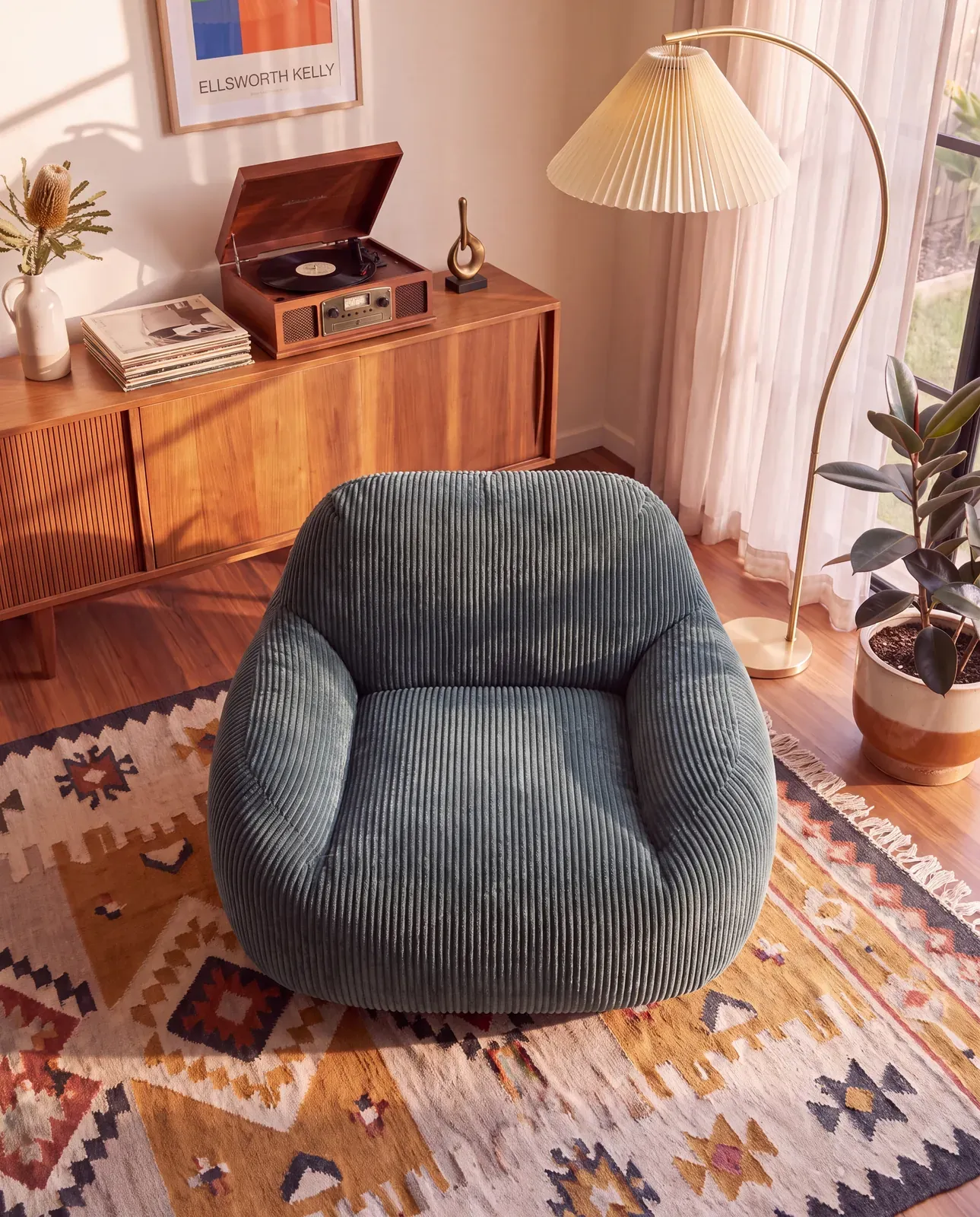

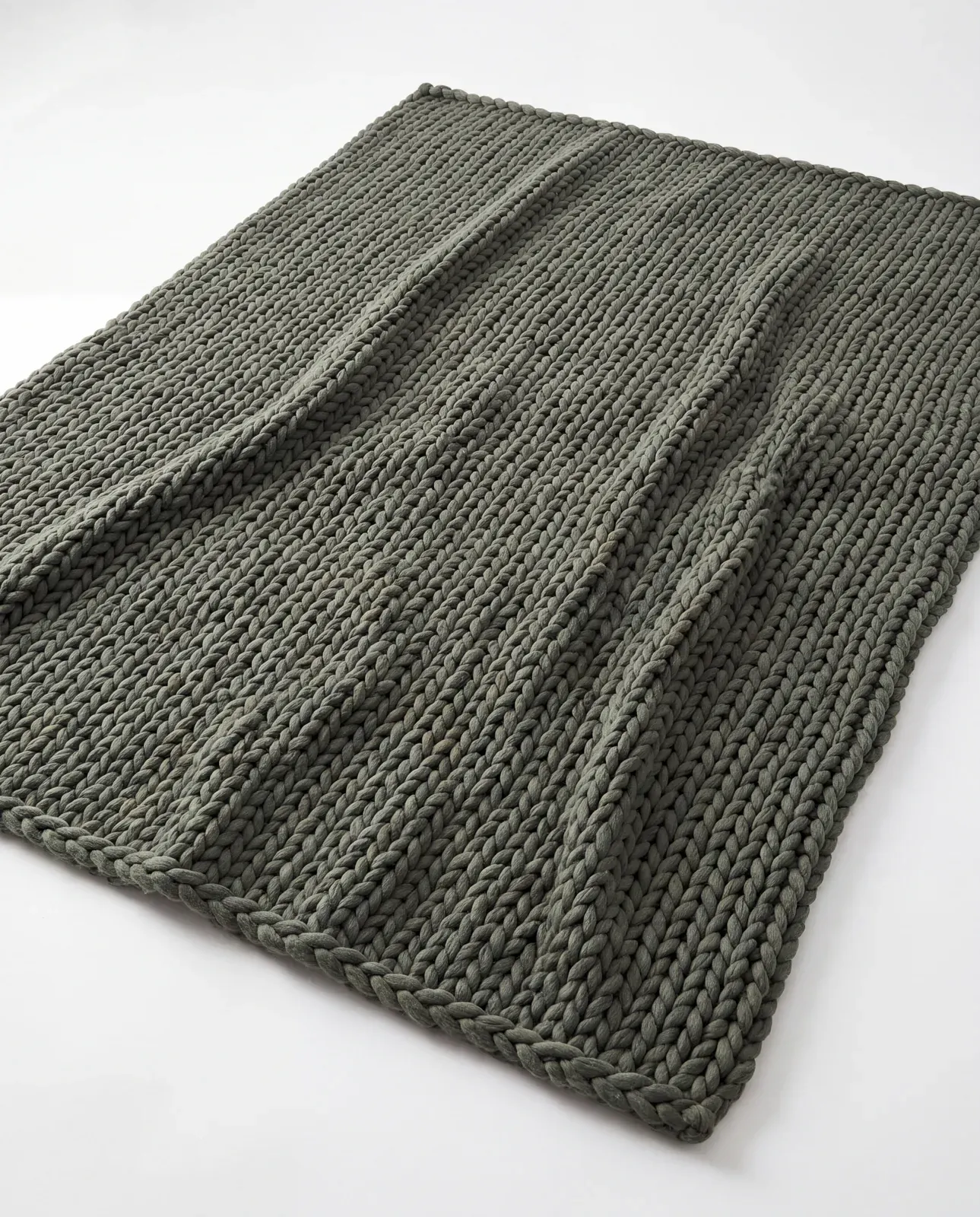


Product categories we already have work to show.
Creative decisions informed by e-commerce and paid media.
-
8 years
In design and marketing, including running and scaling paid ad accounts.
Ours
-
56%
Of shoppers go straight to the product images, before they read a word of the page.
-
42%
Work out whether a product will actually suit them from the photographs alone.
-
28%
Of stores never show their product at a scale a customer can judge.
The first figure is ours. The other three are from Baymard Institute’s product page usability research, published 2017, which remains the most-cited study of what people actually do on a product page.
Price your catalogue.
Two axes, because the work has two: how many products, and how many images of each. The per-image rate falls as the volume climbs.
Your quote
$970 AUD
45% below the starting rate
Prices exclude GST
GST of 10% is added for clients in Australia. Services supplied to clients outside Australia are GST-free exports, so an overseas client pays the price shown with nothing added to it. Your invoice states which treatment applied.
Sliders need JavaScript. The figure above is a real quote for the selection shown.
Questions about source material, accuracy and scope.
How many images do I actually need?
It depends on the questions the product page or campaign must answer. We define the useful frames before production and will recommend fewer when additional images would only repeat the same information.
Can you match the photography I already have?
Yes. We can work to an existing light, crop, palette and styling system so new frames sit coherently beside the assets you already use.
Will it look like AI?
The work is judged as finished imagery, not accepted because it was generated. Creative direction, product checks and manual retouching are part of every delivered batch, and visible generation faults are corrected before delivery.
What do you need from me?
Usually one clear product photograph, accurate dimensions and a reliable colour or finish reference. We review what you have before you commit because missing source information limits what can be represented accurately.
What is the smallest job you take?
One product at 6 images, priced at $350 AUD. The calculator shows the current estimate for larger product and image counts.
1 min interactive quiz to get a tailored price, before you speak to anyone.