Product imagery for furniture ranges, every piece, finish and room.
Show sofas, chairs, tables and storage in the spaces they belong in, with the product checked against real dimensions, materials and finishes.
The short answer
Furniture brands can create room-set and product-page imagery from existing product references without physically building every room. The product dimensions, configuration, upholstery and finish remain the source of truth. The generated part is the environment around the piece, allowing different rooms and styles to be commissioned for the same range.
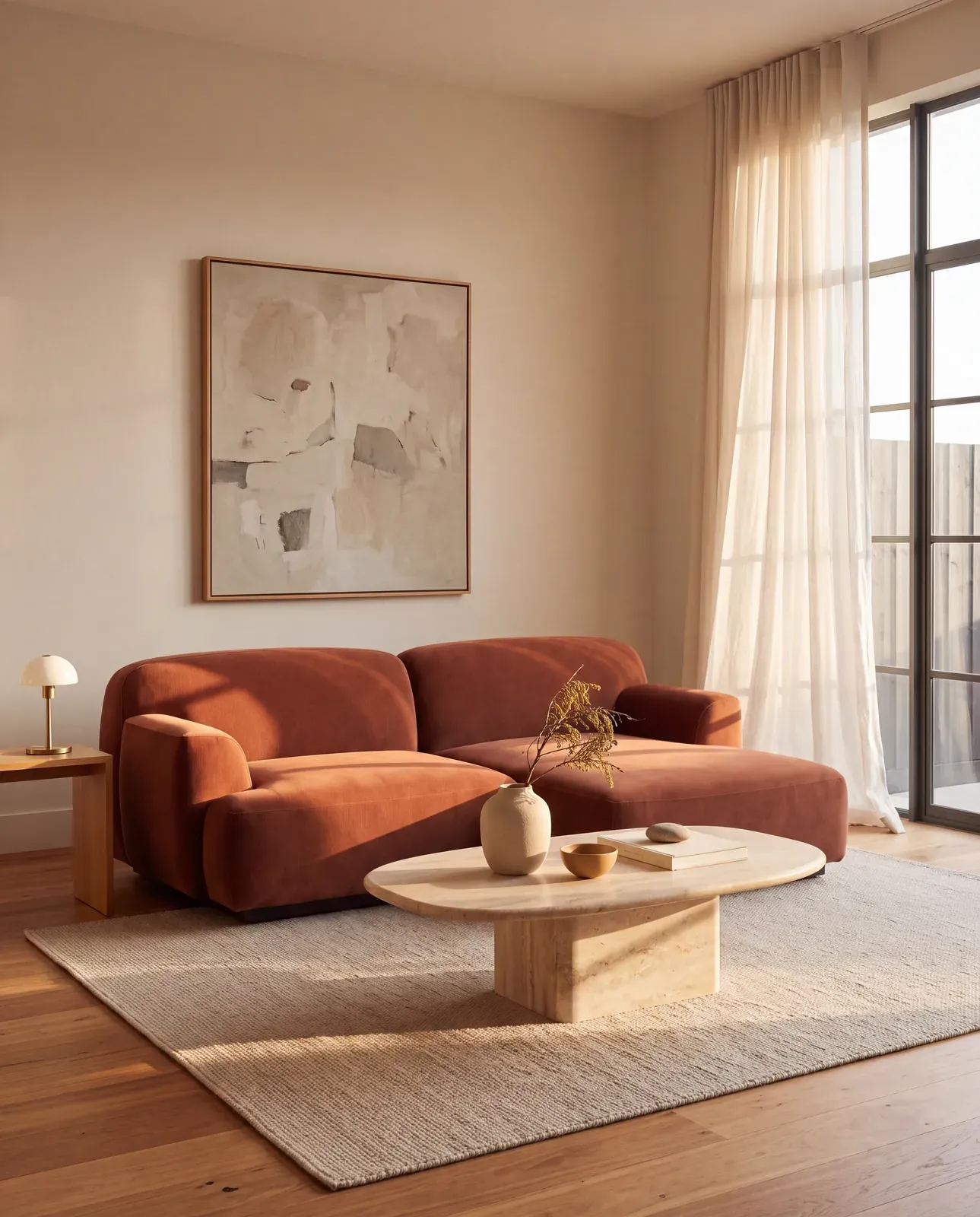
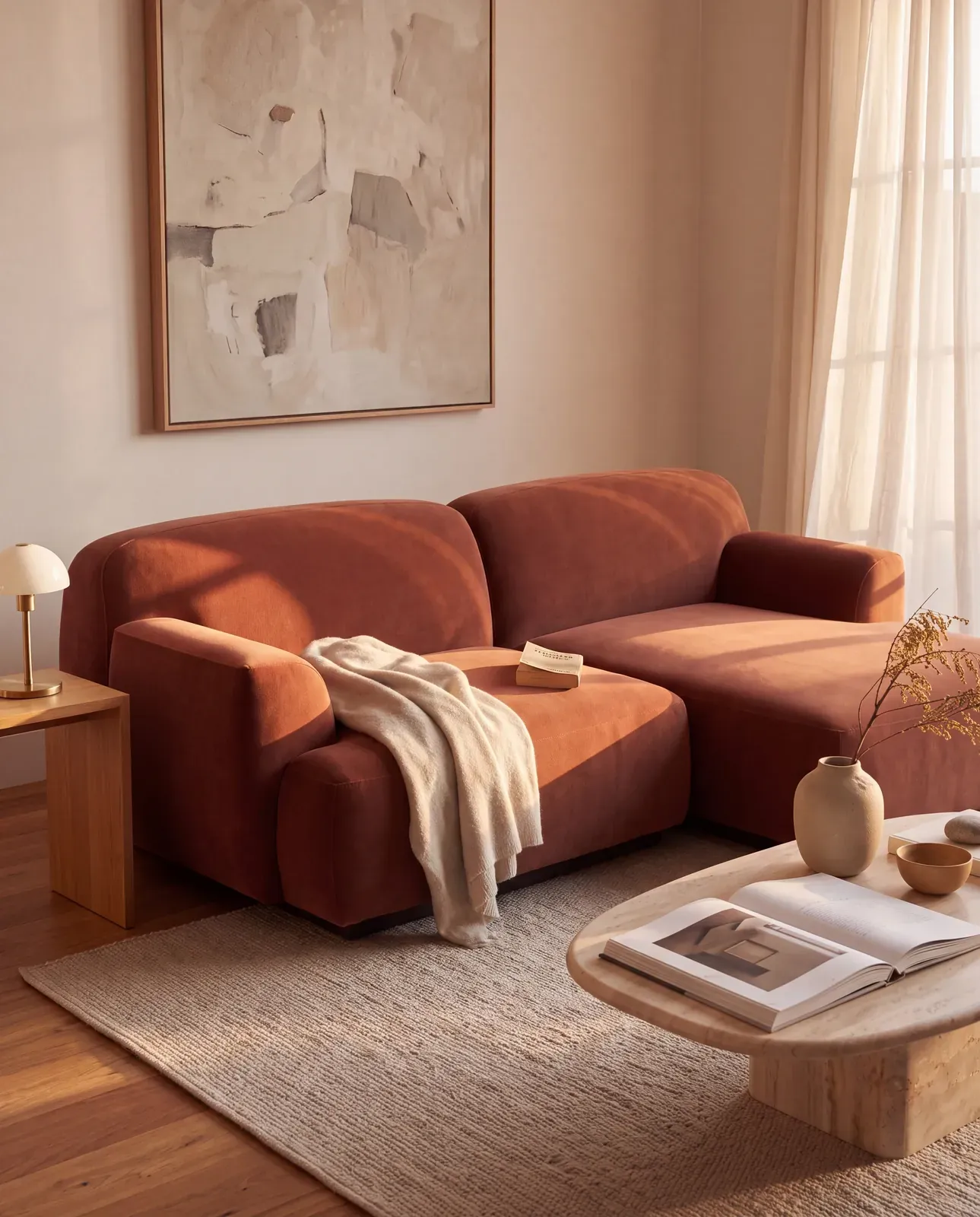
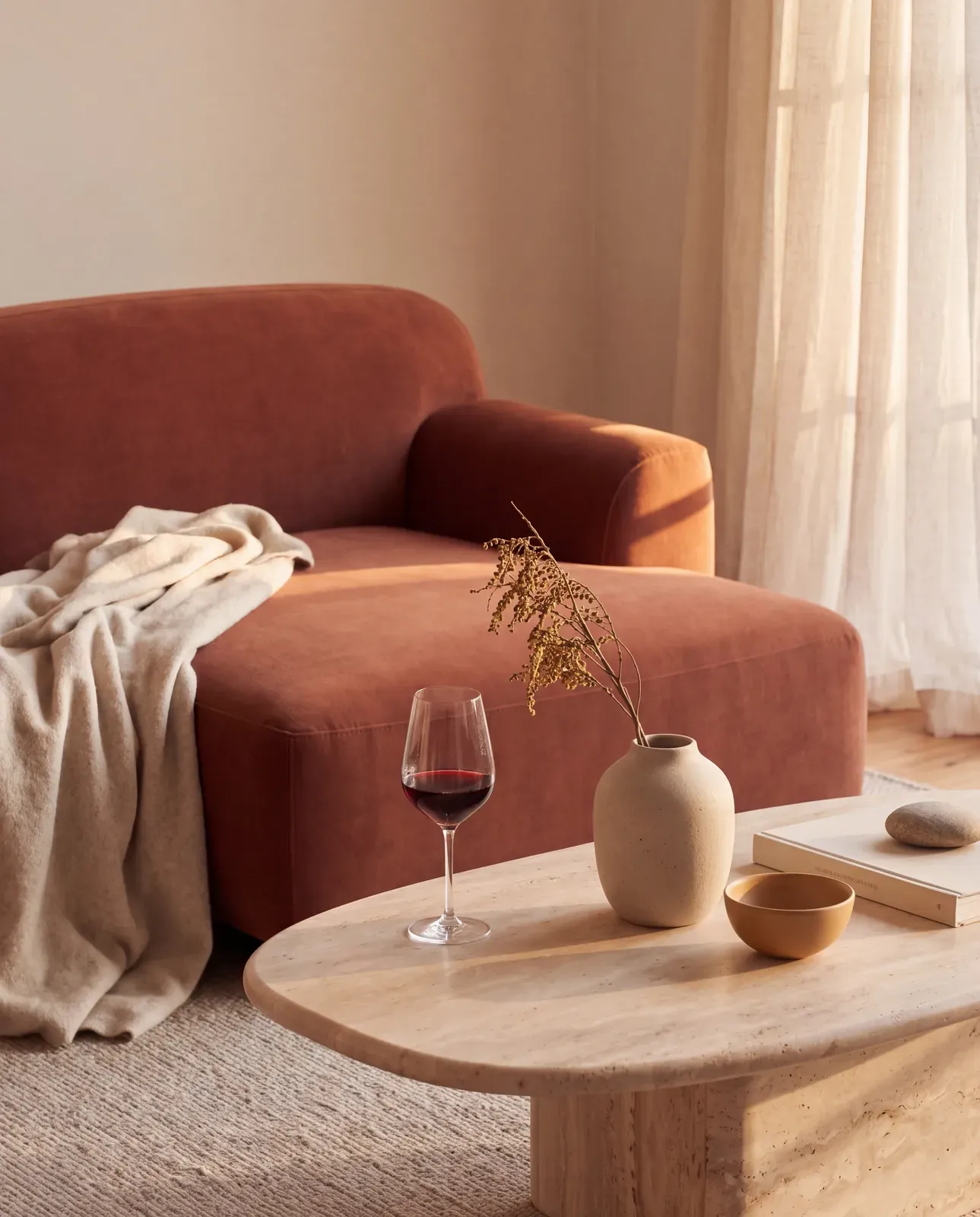
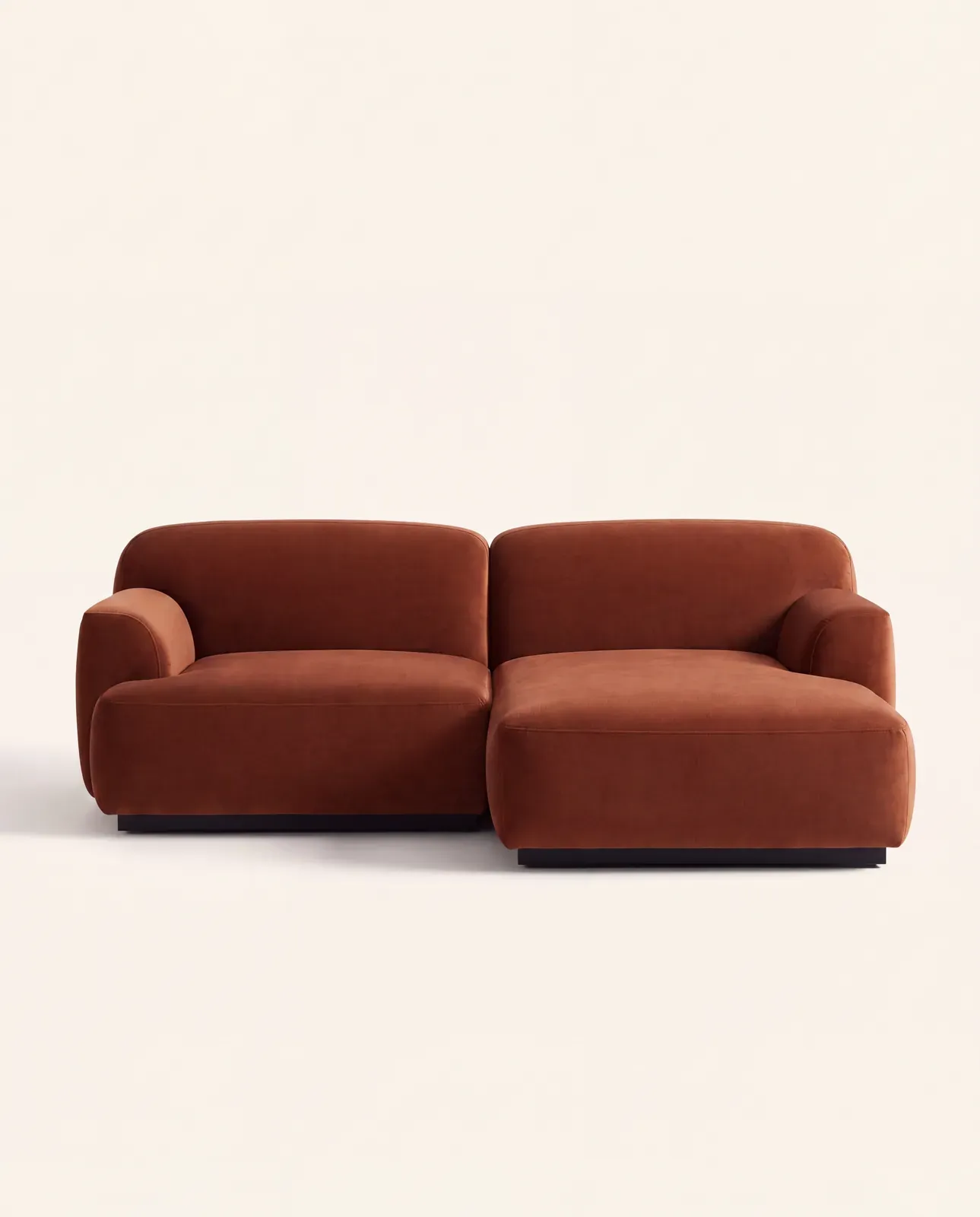
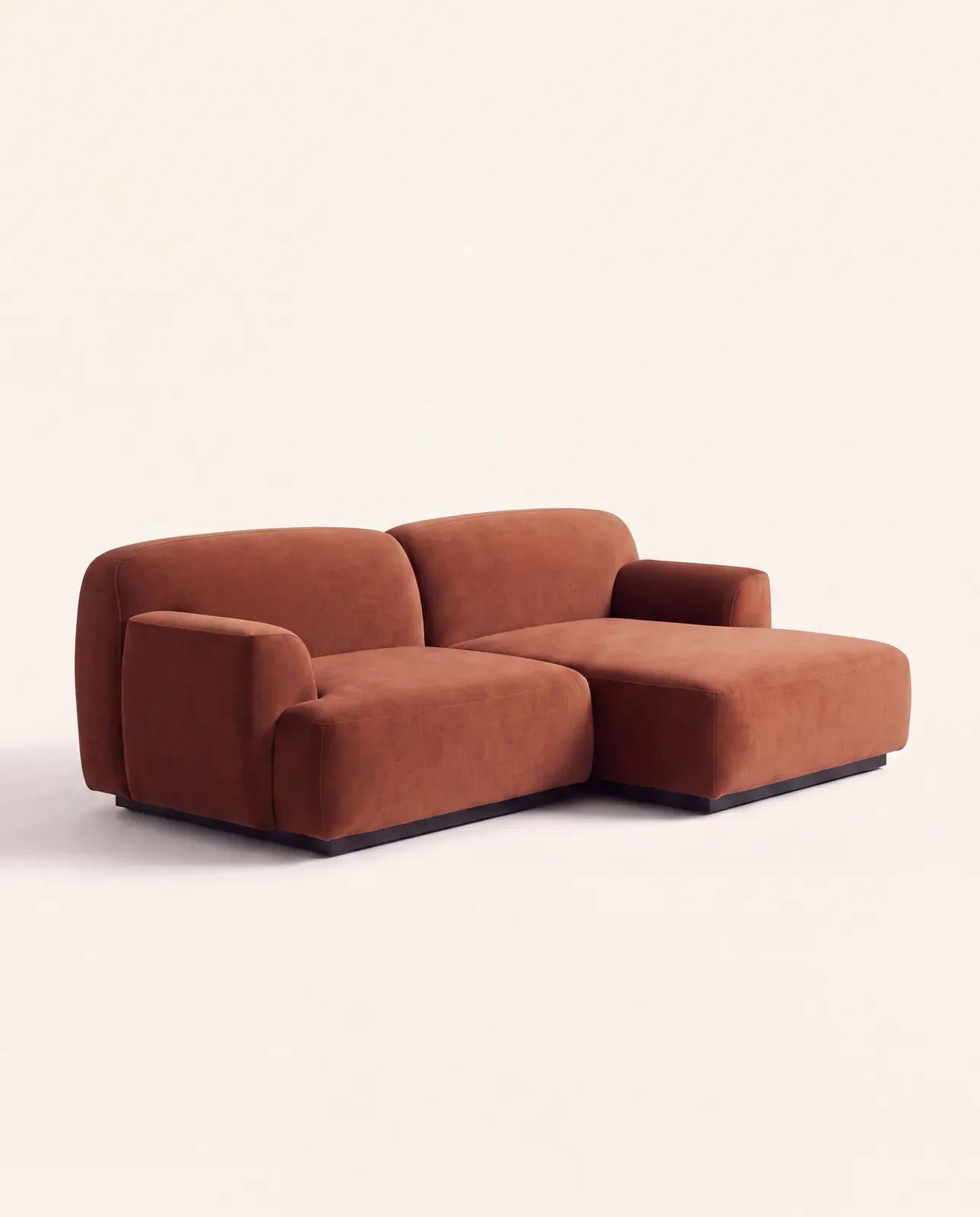
Furniture needs a room before customers can judge it.
A cut-out shows the object. It does not show scale, pairing, placement or how the finish behaves in a real interior.
Every piece competes for set space
Large products make room sets slow and expensive to change during a shoot.
Ranges are shown unevenly
The hero sofa gets a room while secondary pieces and finishes stay on white.
Finish choices are hard to compare
A small swatch carries too much of the decision when customers need to see the whole piece.
One room style narrows the audience
The same product may need different styling for separate markets, campaigns or retail partners.
Build the rooms around the range.
The furniture is specified first. Environments are then designed to explain scale, use, finish and audience fit.
- 01
Start with accurate dimensions
Scale is only useful when the supplied measurements and configuration are correct.
- 02
Show the complete piece
Hero, angle, detail and room frames can be planned as one product-page set.
- 03
Extend real finishes
Approved colourways and materials can be shown consistently across the same compositions.
- 04
Change the room, not the product
The same piece can sit in different interior directions while keeping its defining features intact.
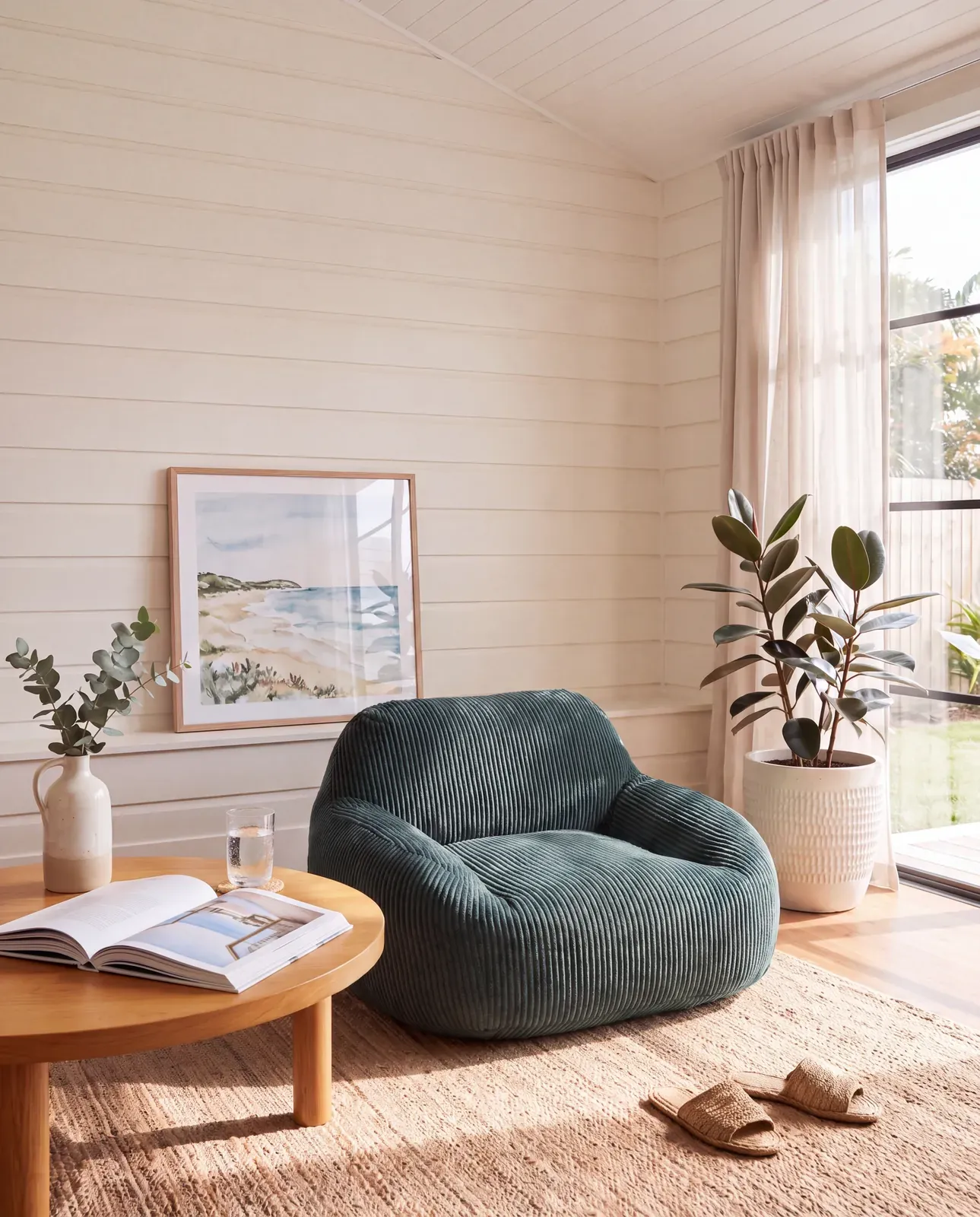
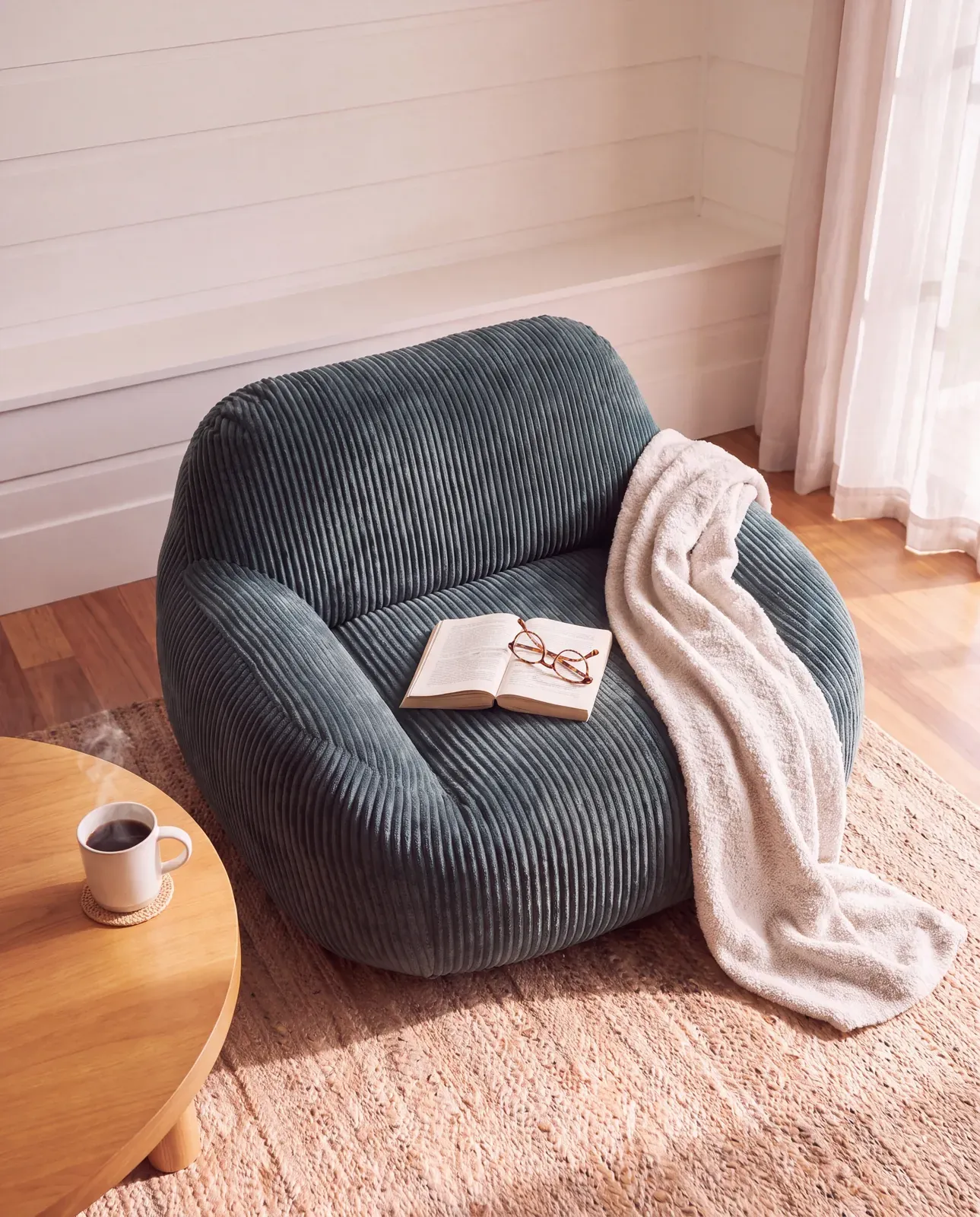
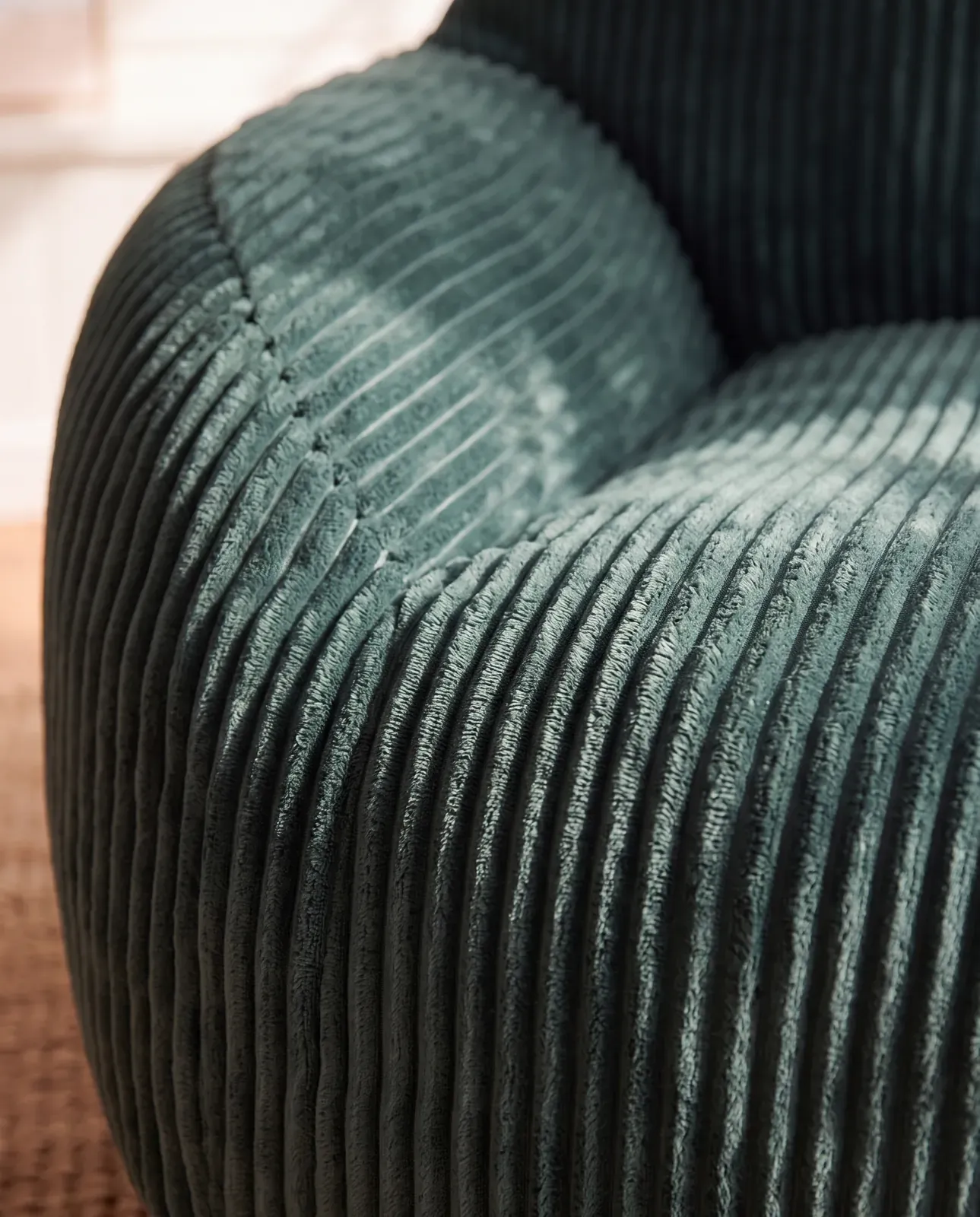
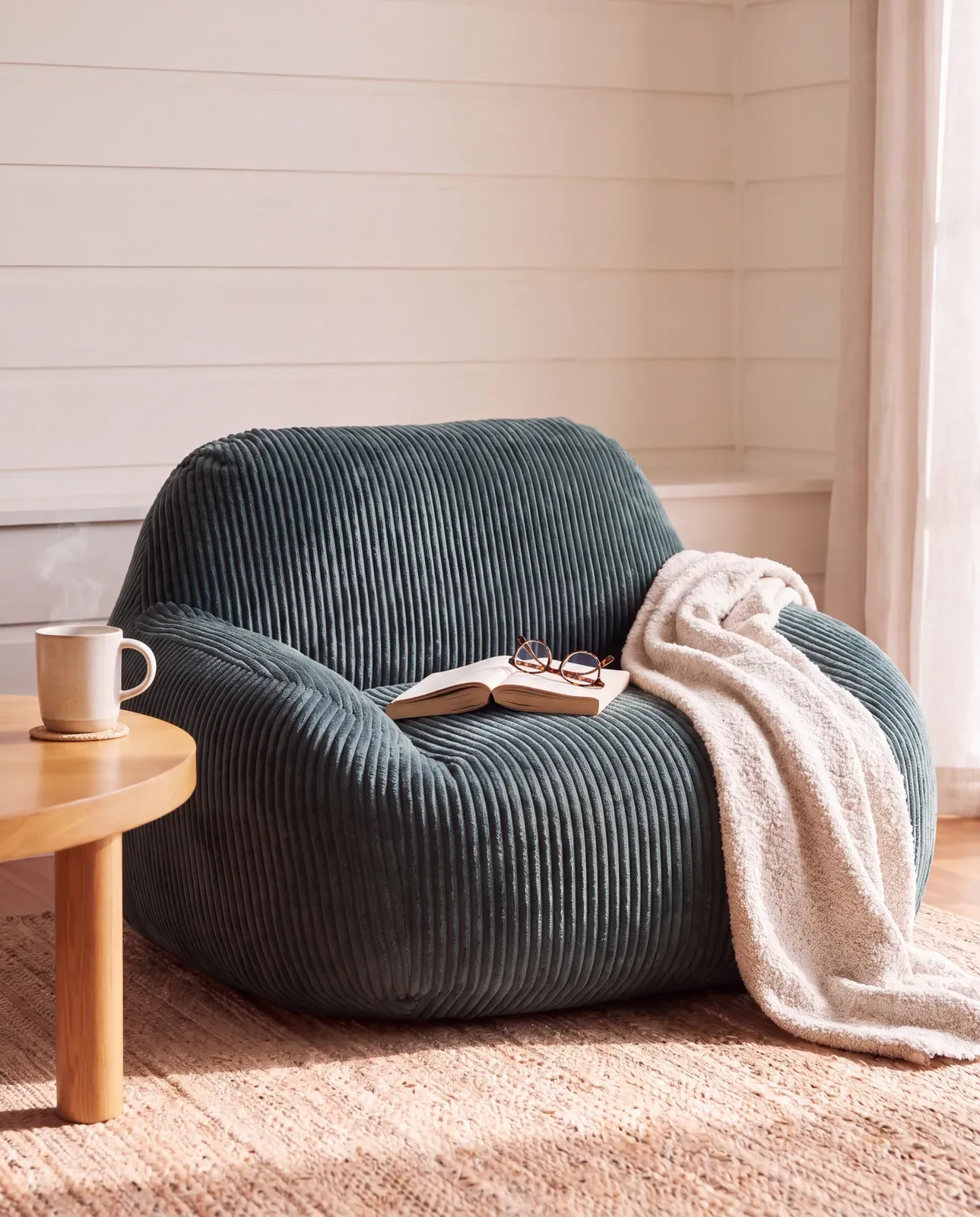
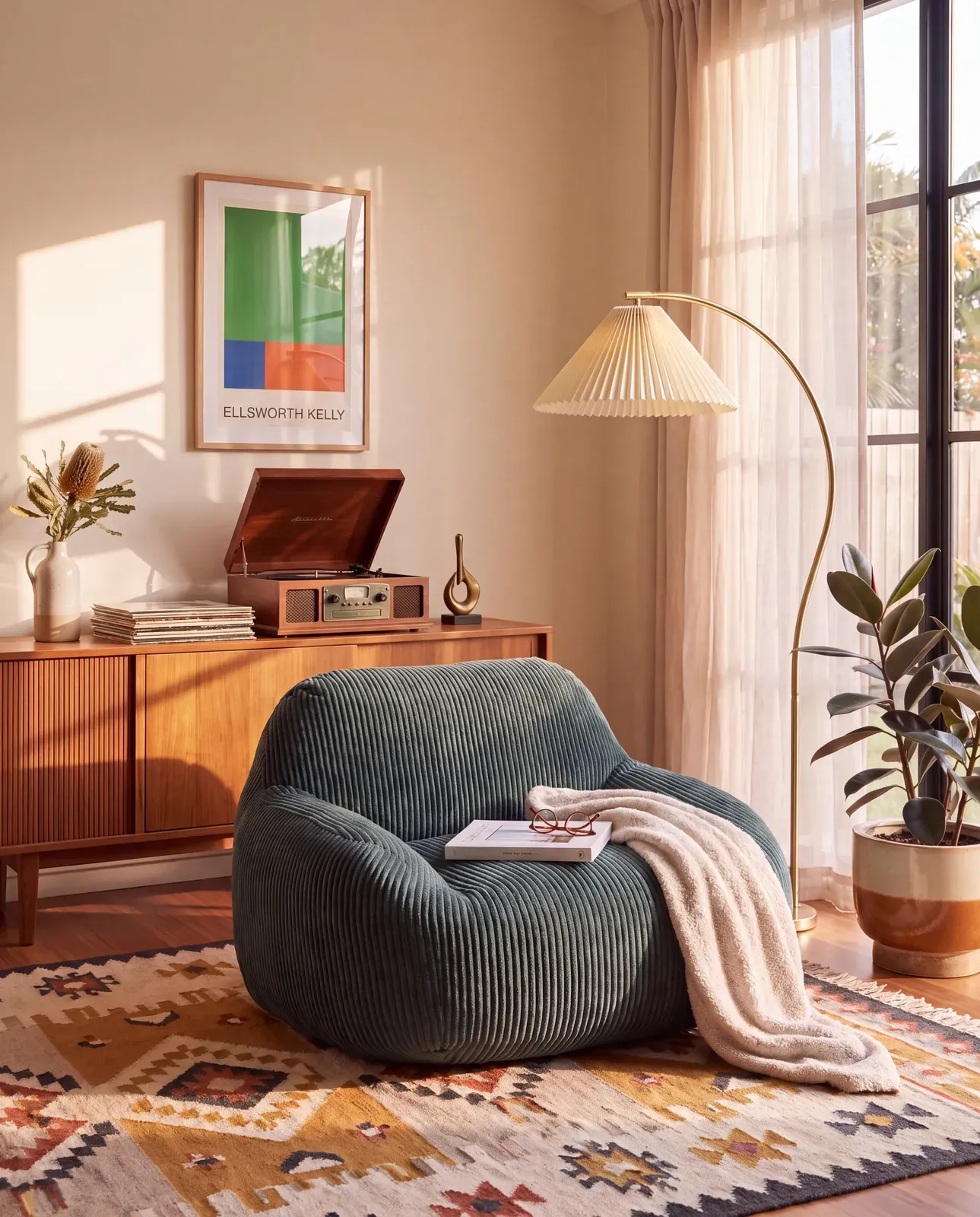
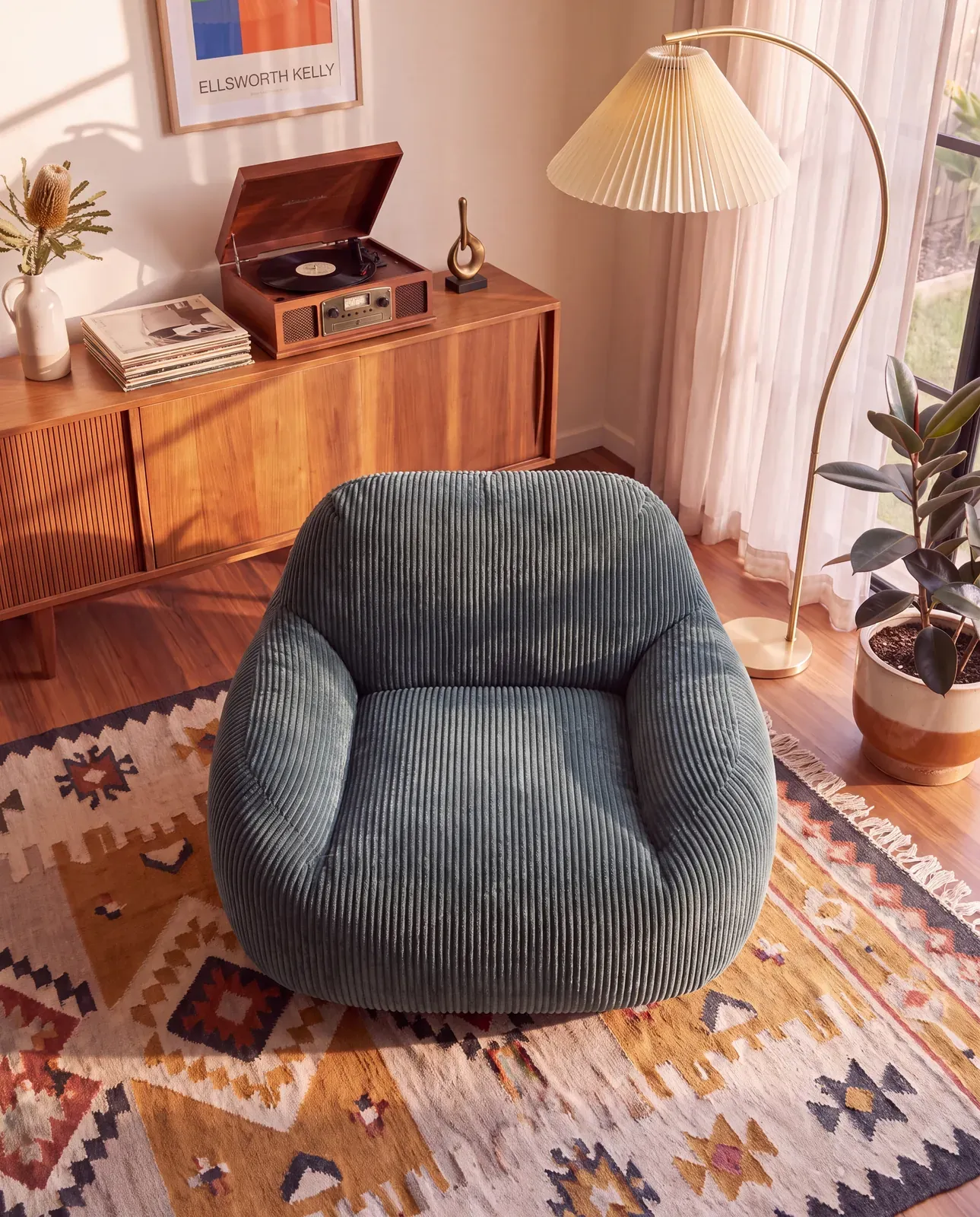
Six environments. One phone photo to start from.
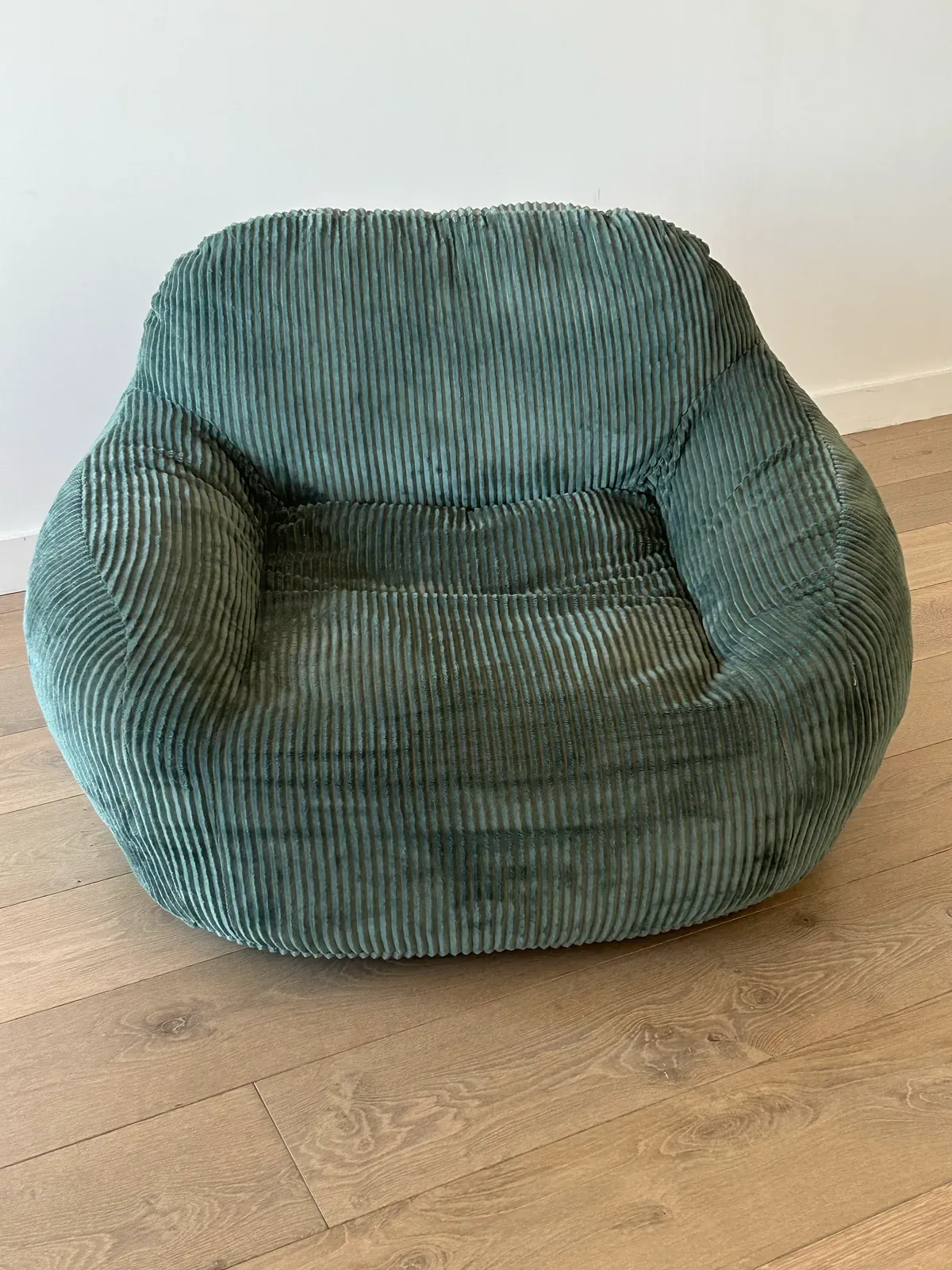
What they sent us
What came back
Choose the finished assets or the complete ad system.
Questions before you start.
What do you need from us to start?
Usually one clear product photograph, accurate dimensions and a reliable colour or finish reference. We review what you have before you commit, because poor source material limits what can be reproduced accurately.
Will the furniture still look accurate?
The environment can change. The product cannot. Colour, proportion, finish, configuration and materials are checked against the real item before delivery.
How much does product imagery cost?
Product imagery starts at $350 AUD for one product and six images. Larger catalogues are priced by product and image count, with the exact estimate available in the pricing flow.
Can the same work be turned into ads?
Yes. The imagery can stand alone or become part of an ad creative sprint. A sprint includes 20 static ads and 5 videos for $1,600 AUD.