Product imagery for bedding and linen ranges.
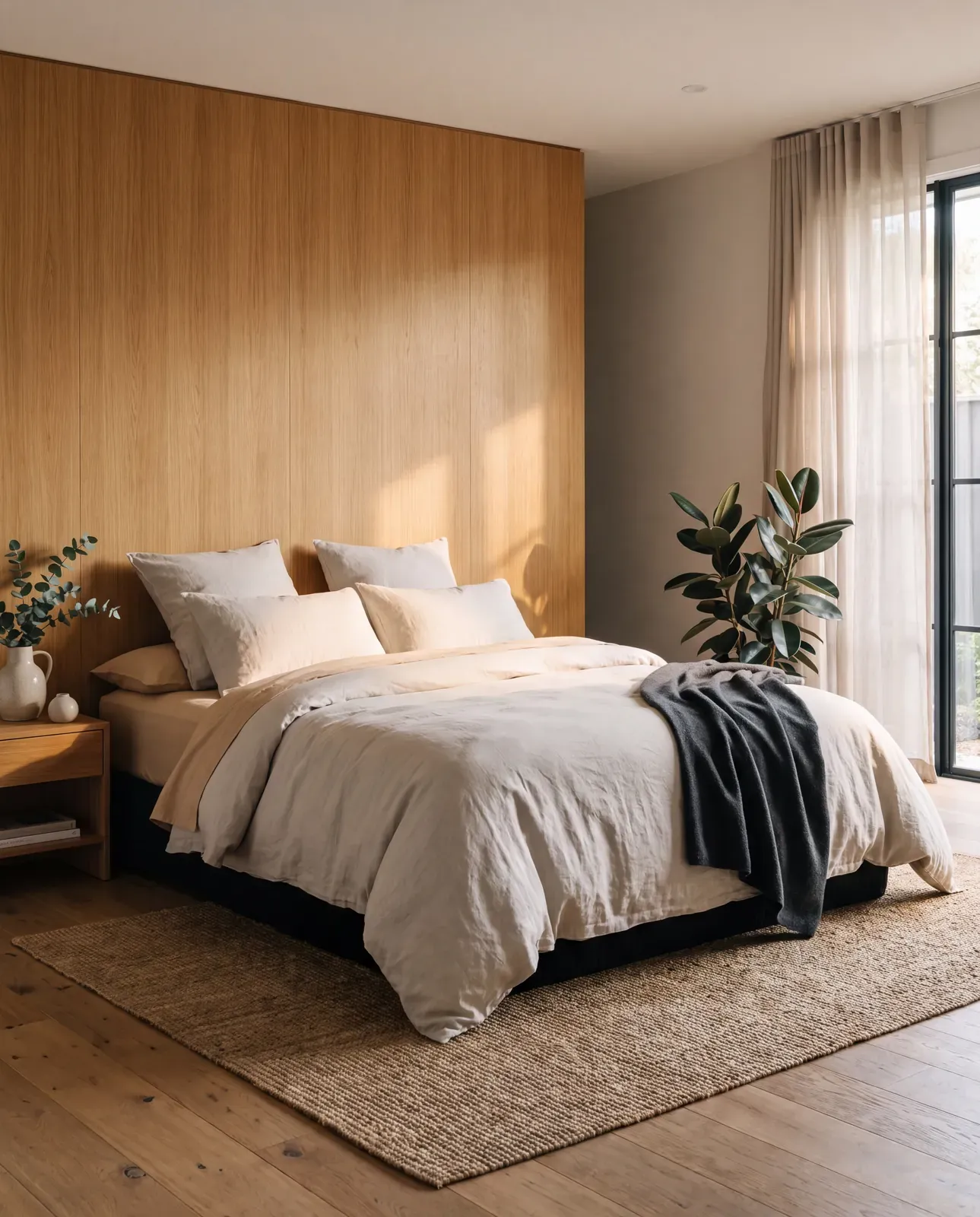
Show fabric, colour and drape in complete rooms while keeping each product matched to the real weave, finish and supplied reference.
The short answer
Bedding and linen brands can turn accurate product references into complete product-page and lifestyle sets. Colour, texture, pattern and finish are checked against the real item, while beds, rooms and styling are created around it. The method supports consistent scenes across more colourways than a typical room-set shoot can cover.

The product is easy to photograph and hard to explain.
A folded textile records the colour. It rarely communicates drape, scale, texture or how a complete bed will feel.
A swatch cannot carry the room
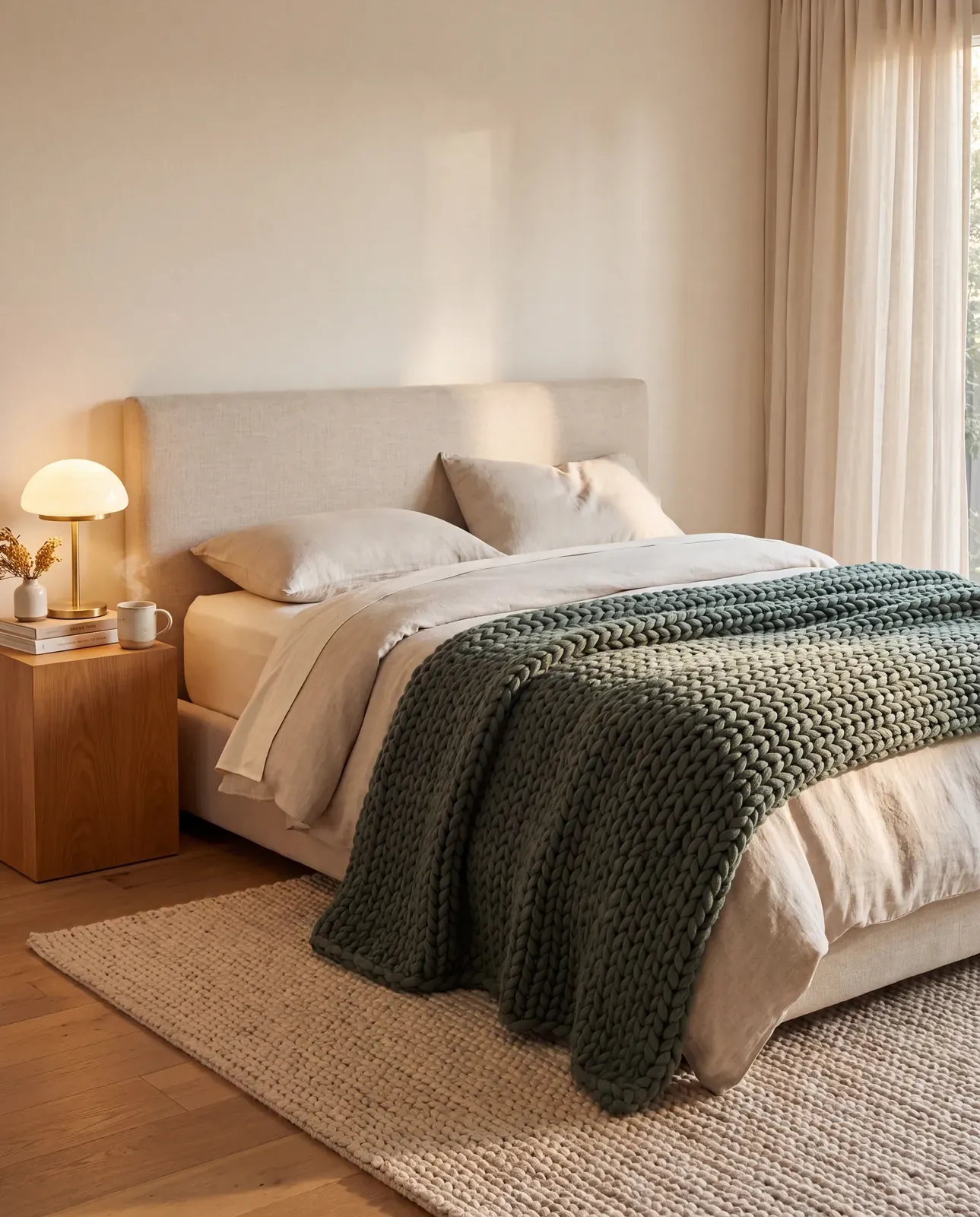
Customers need to see how a colour behaves across a full bed and against surrounding materials.
Styling consumes the shoot day
Building, steaming and resetting rooms limits how many products and colourways make the final list.
Texture disappears at listing size
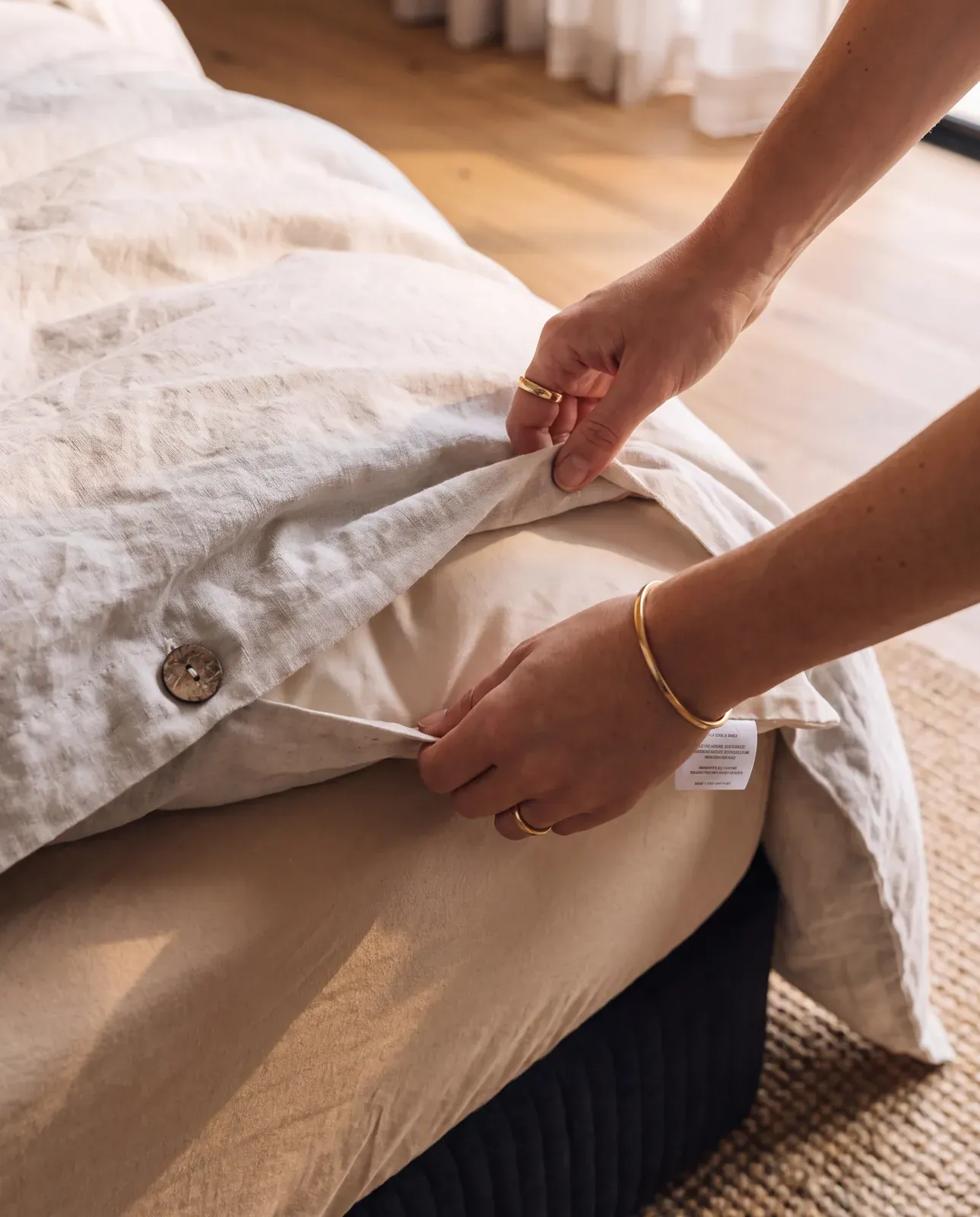
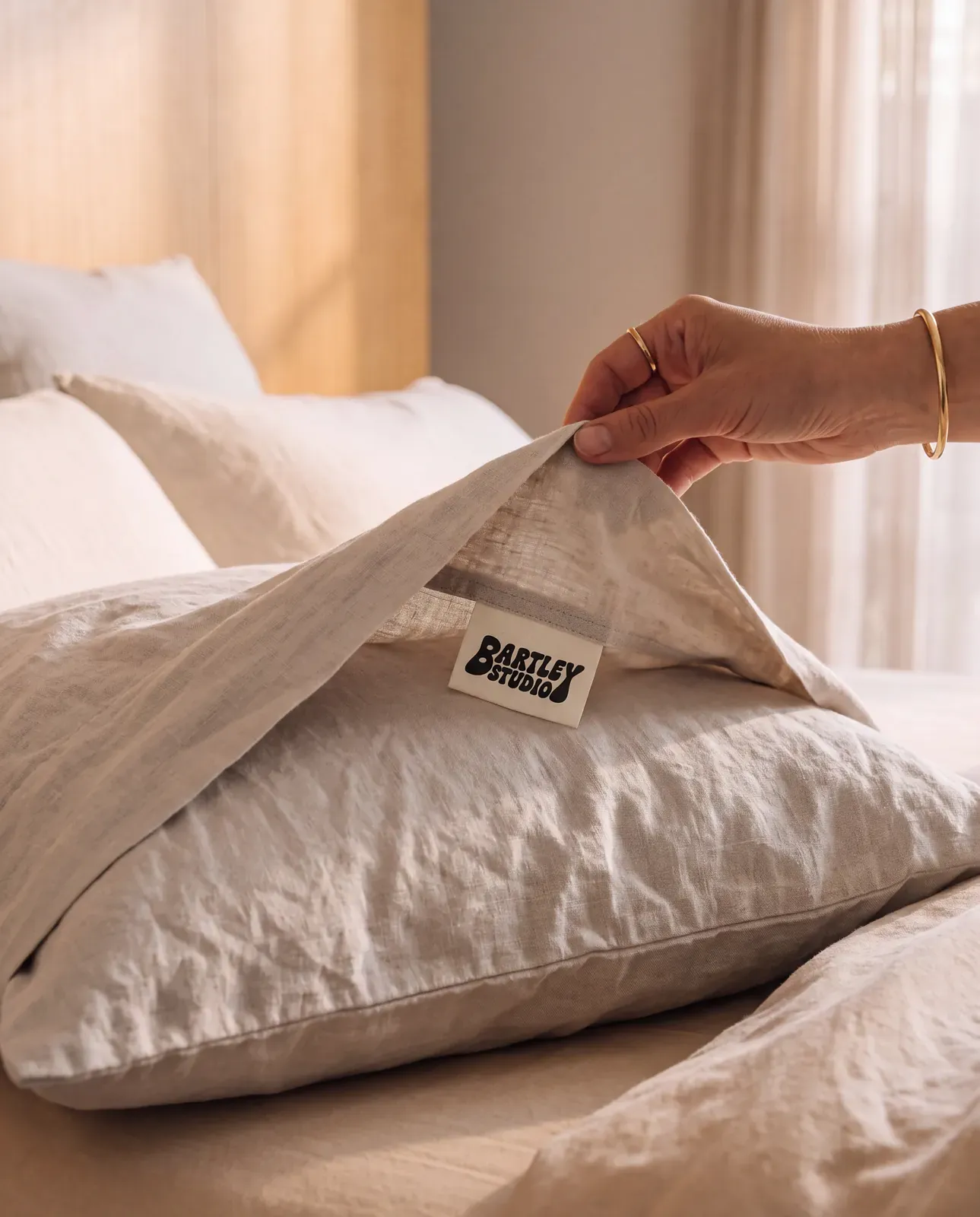
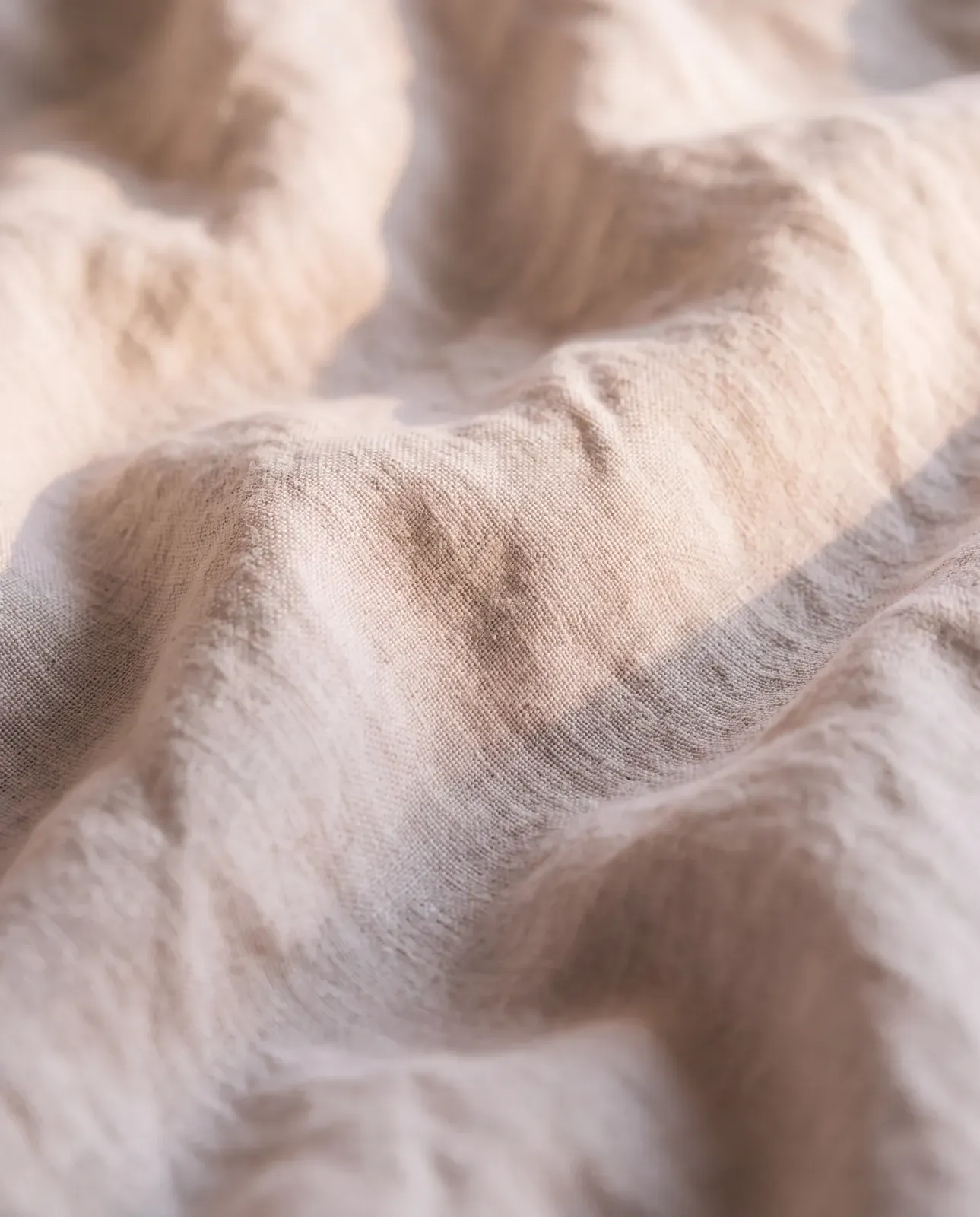
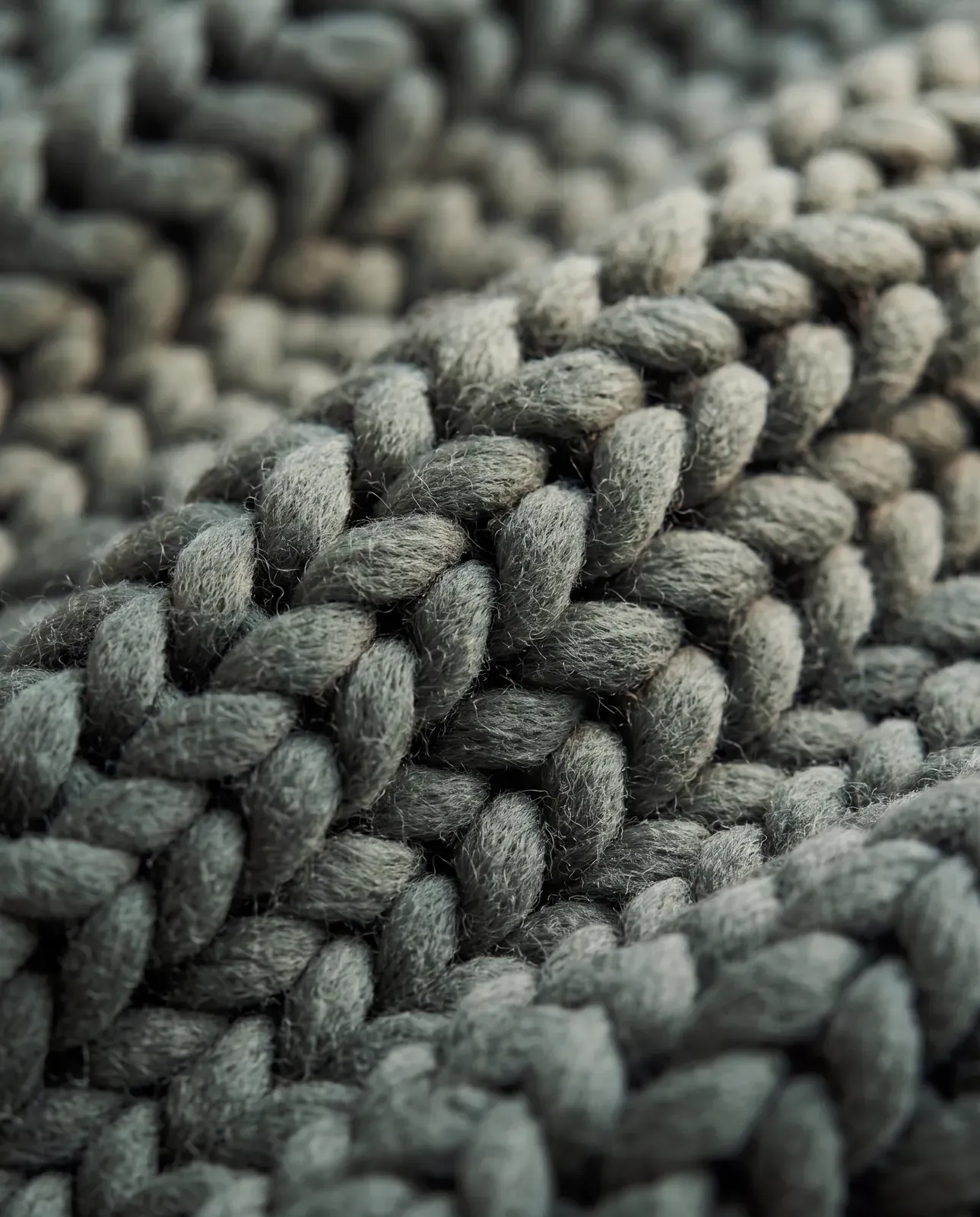
Wide lifestyle frames need supporting details that show weave, finish and edge treatment.
Each colourway needs comparable treatment
Different rooms or light can make variants look less consistent than they really are.
Build the room around the textile.
The product reference controls colour, pattern and material. The image set then adds the scale and context a folded shot cannot provide.
- 01
Use a reliable colour reference
The strongest source combines a clear product image with accurate colour information.
- 02
Plan wide and close frames together
Room context and material detail answer different parts of the buying decision.
- 03
Hold the styling system steady
Variants can be compared in consistent light and composition.
- 04
Adapt the room to the audience
The same range can be presented in different interior directions without changing the product itself.
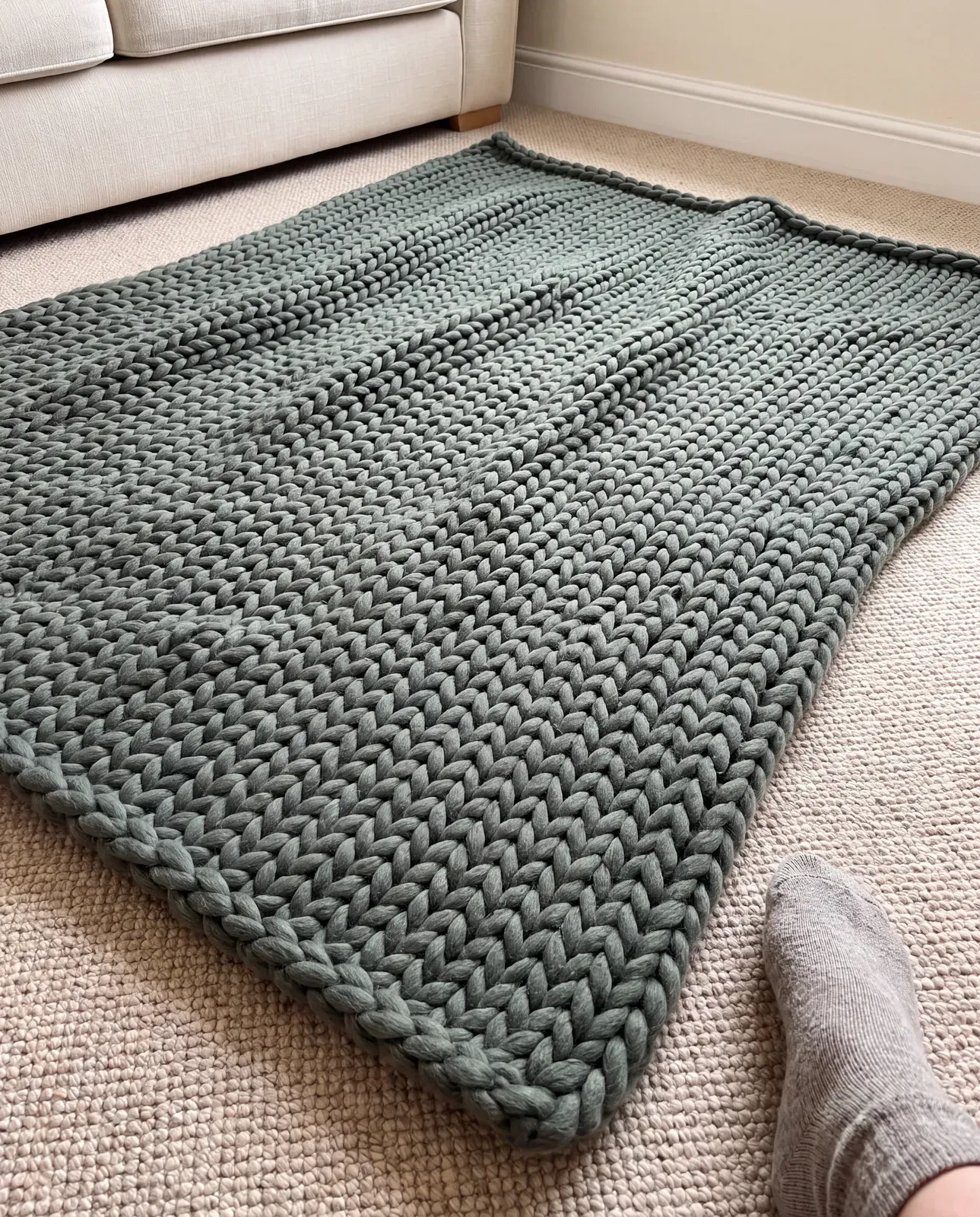
Six environments. One phone photo to start from.
What they sent us
What came back
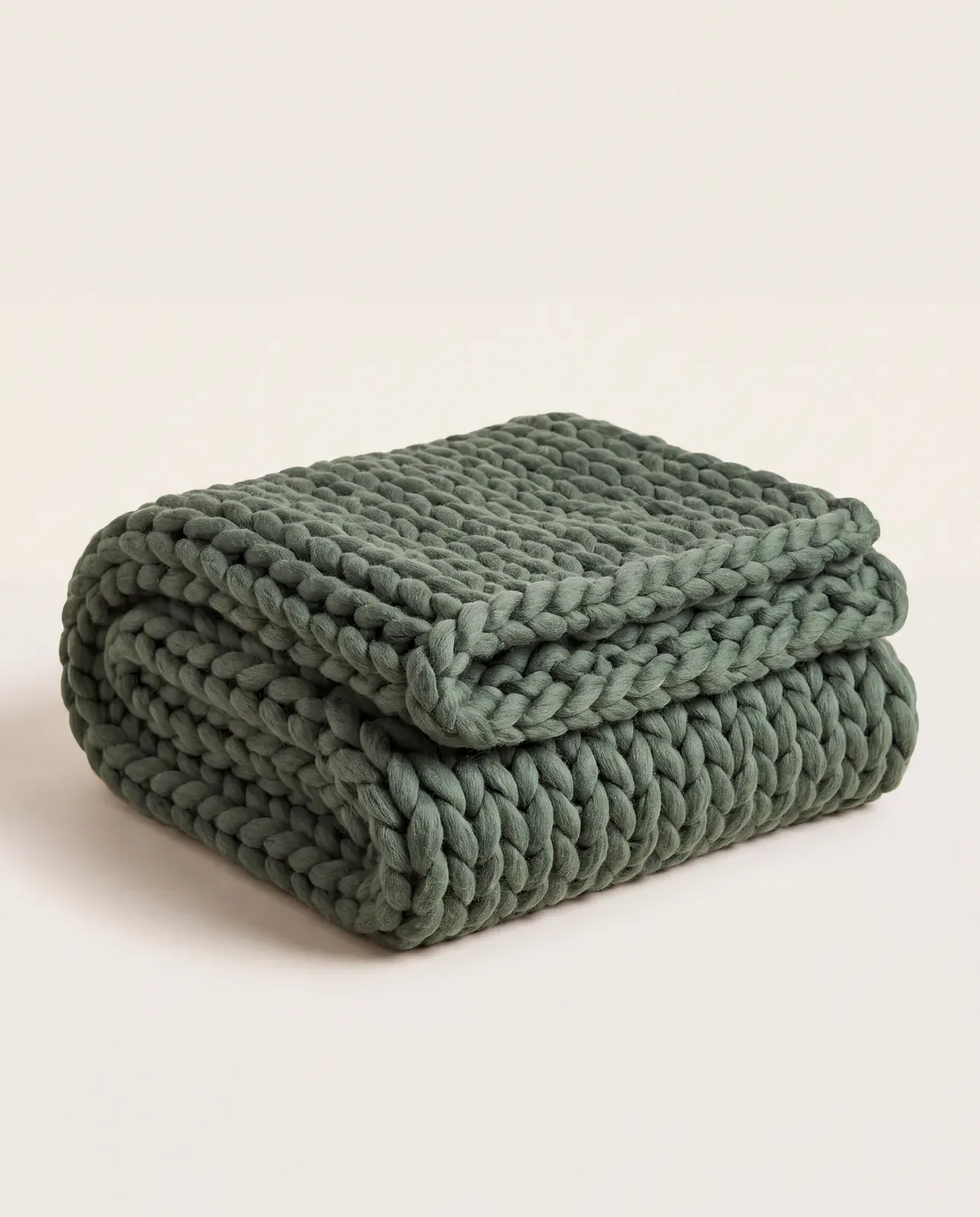
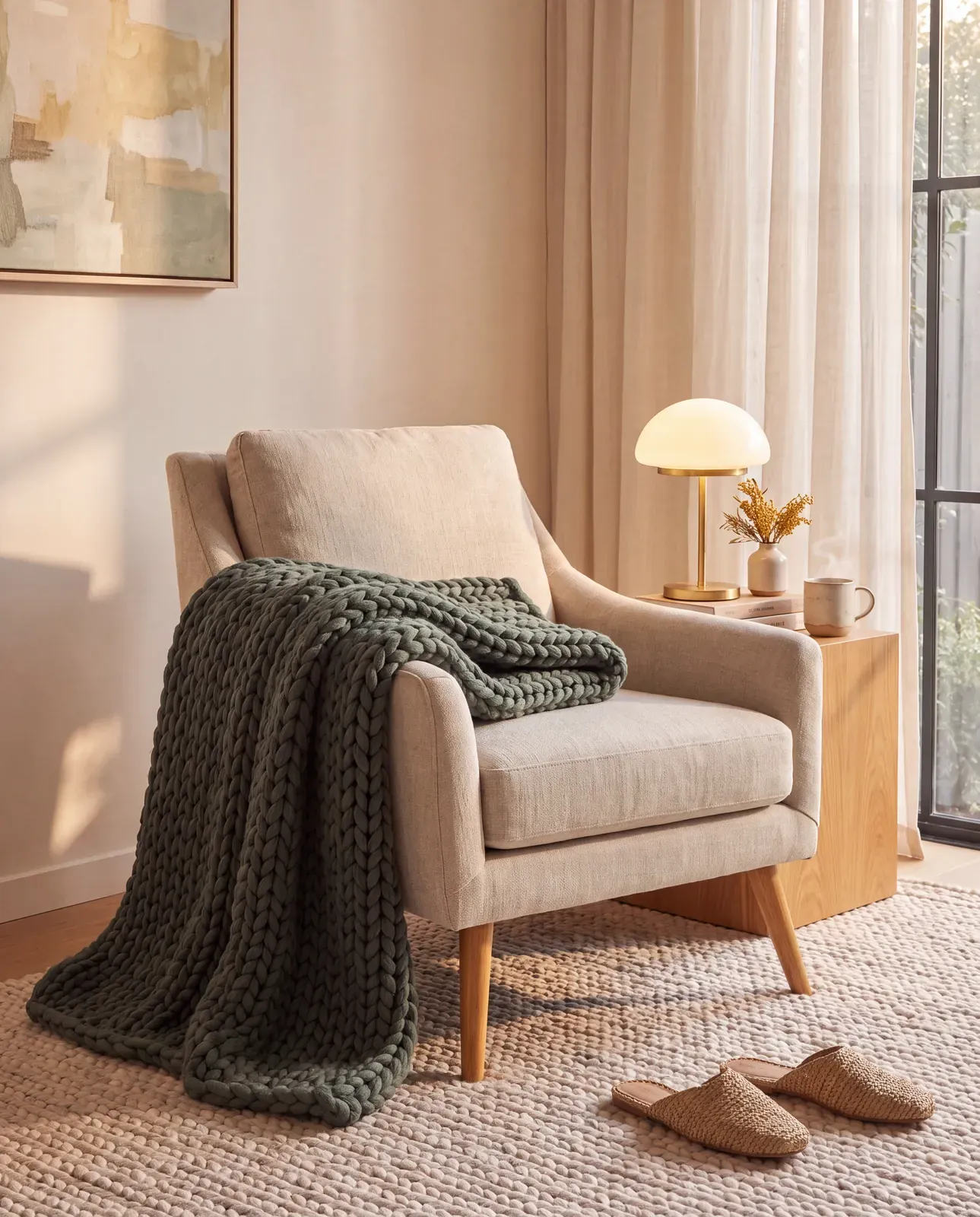
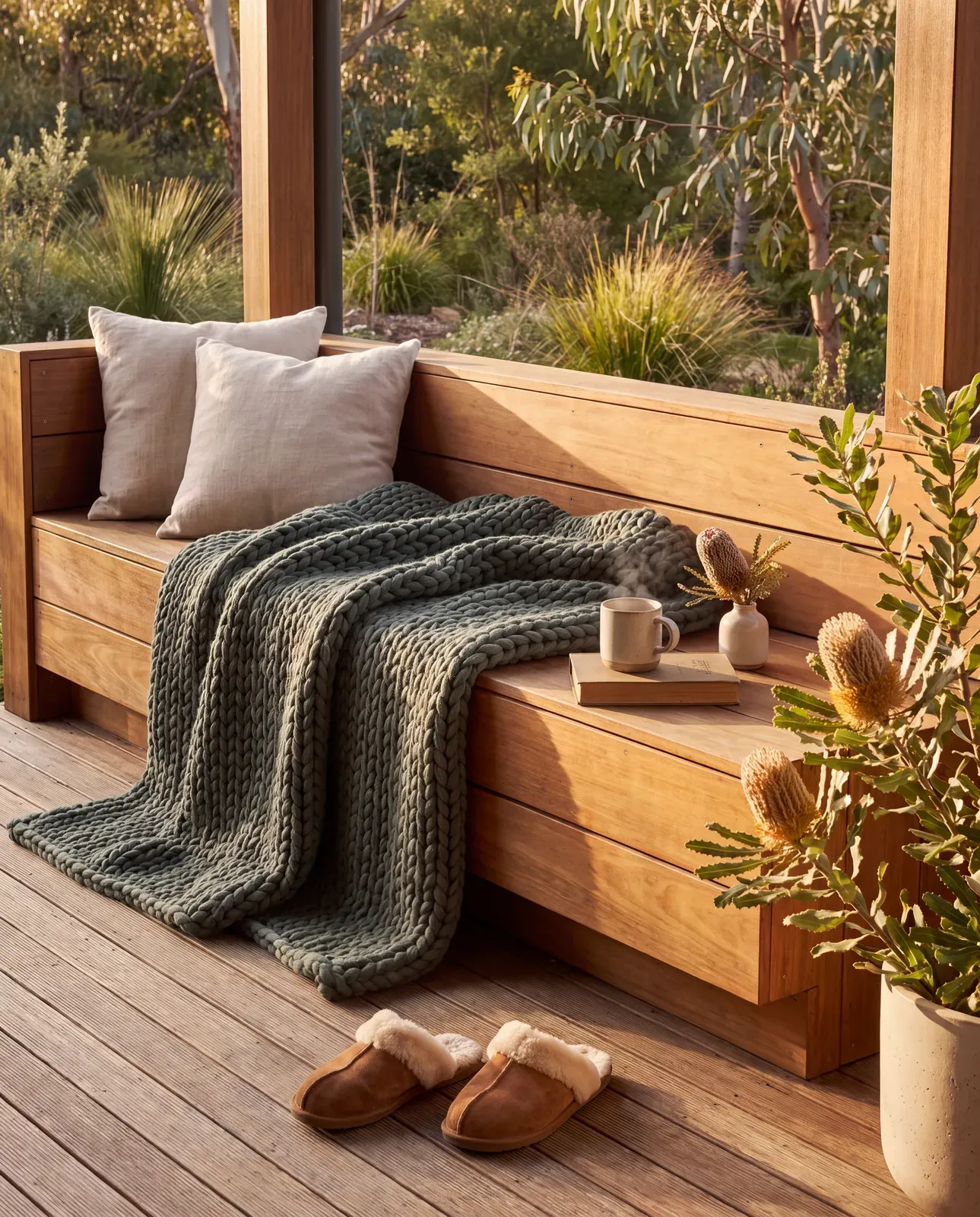
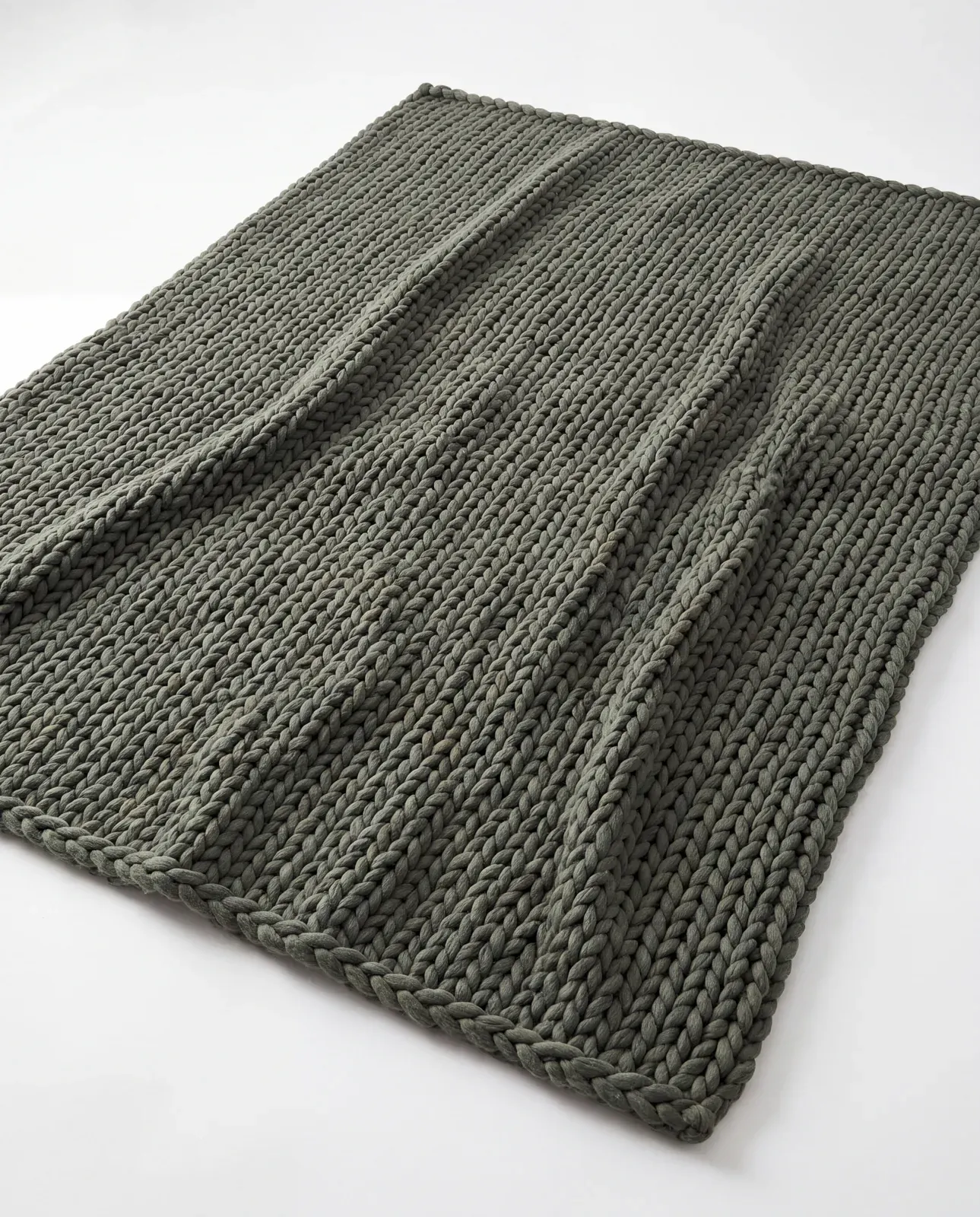
Choose the finished assets or the complete ad system.
Questions before you start.
What do you need from us to start?
Usually one clear product photograph, accurate dimensions and a reliable colour or finish reference. We review what you have before you commit, because poor source material limits what can be reproduced accurately.
Will the bedding still look accurate?
The environment can change. The product cannot. Colour, proportion, finish, configuration and materials are checked against the real item before delivery.
How much does product imagery cost?
Product imagery starts at $350 AUD for one product and six images. Larger catalogues are priced by product and image count, with the exact estimate available in the pricing flow.
Can the same work be turned into ads?
Yes. The imagery can stand alone or become part of an ad creative sprint. A sprint includes 20 static ads and 5 videos for $1,600 AUD.