Product imagery for apparel ranges and every approved colourway.
Create product, detail and styled imagery from accurate garment references, with fabric, colour, construction and fit kept within what the source can support.
The short answer
Apparel brands can extend product and campaign imagery across approved colourways by using accurate garment references as the source. Colour, fabric, construction and defining details remain fixed, while styling, environment and format change around the item. Where fit or drape cannot be supported accurately from the source, we identify the limitation before production.
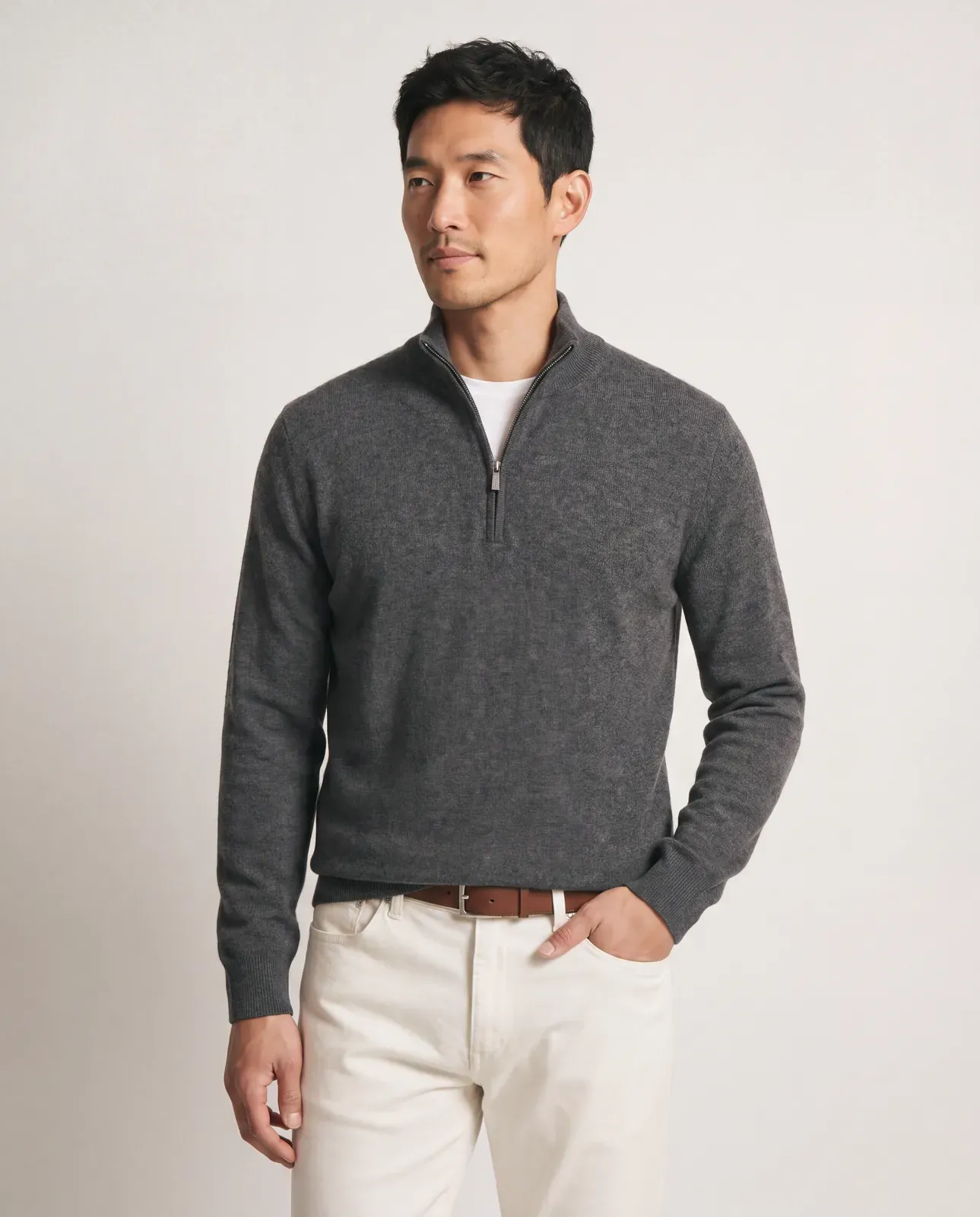
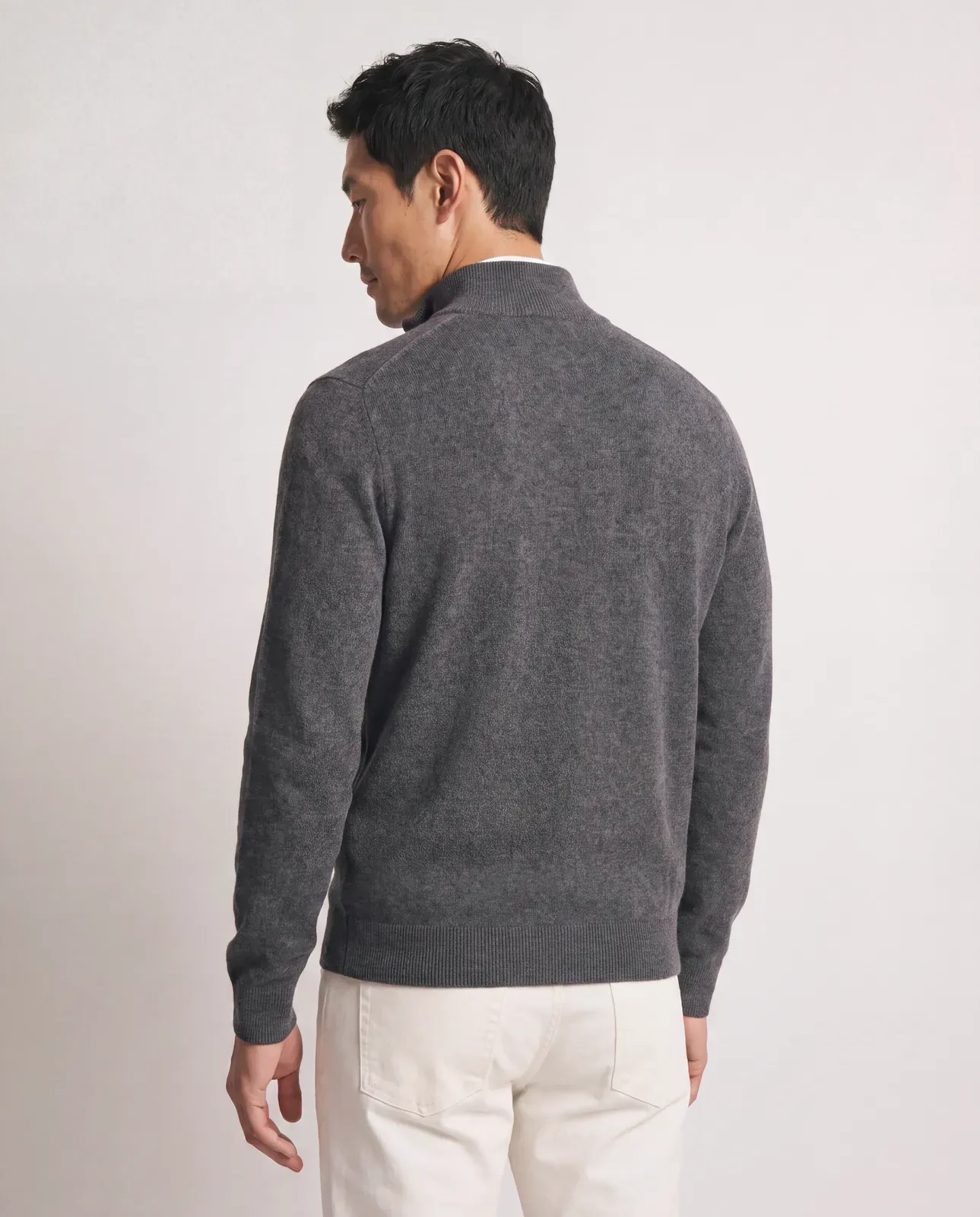
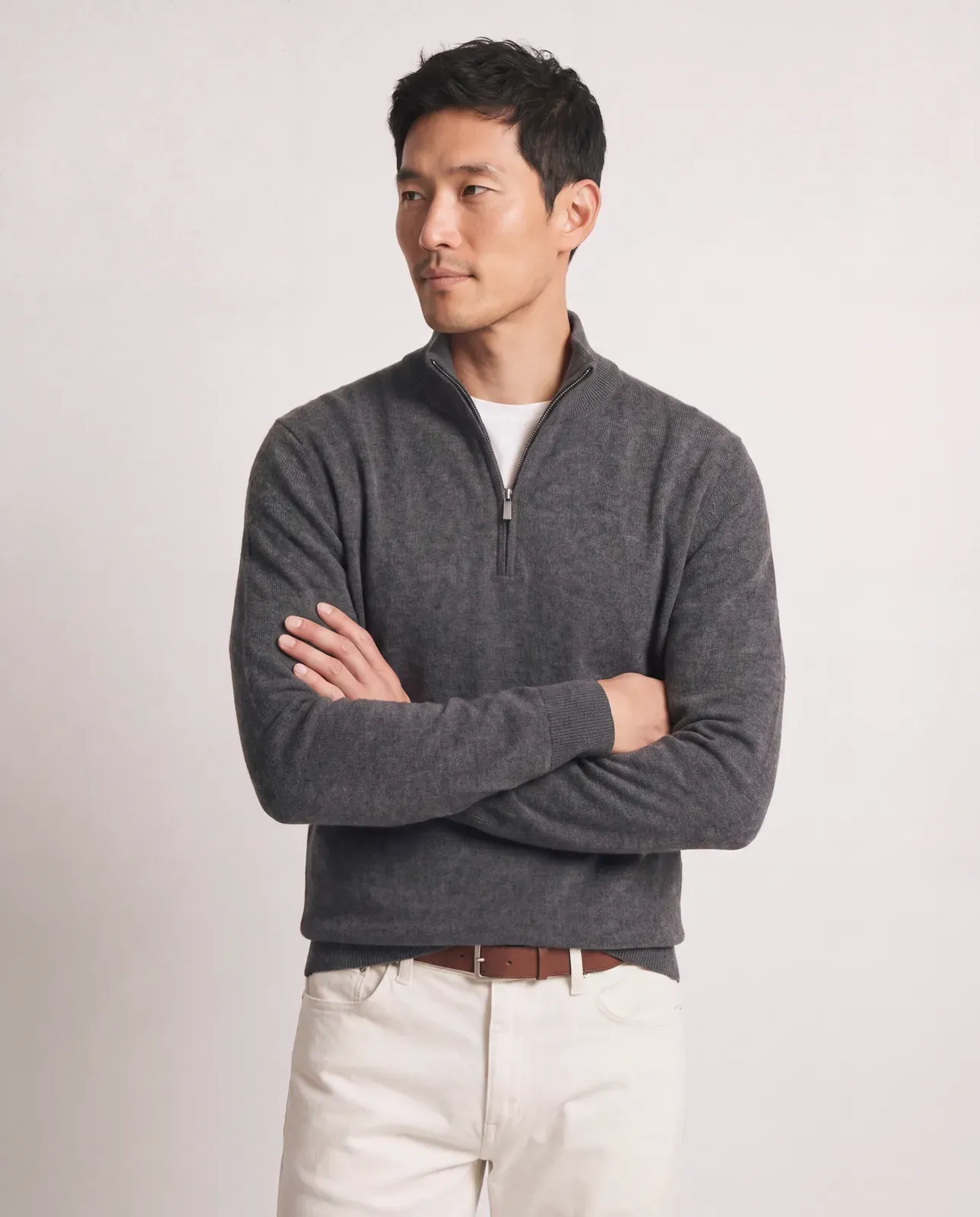
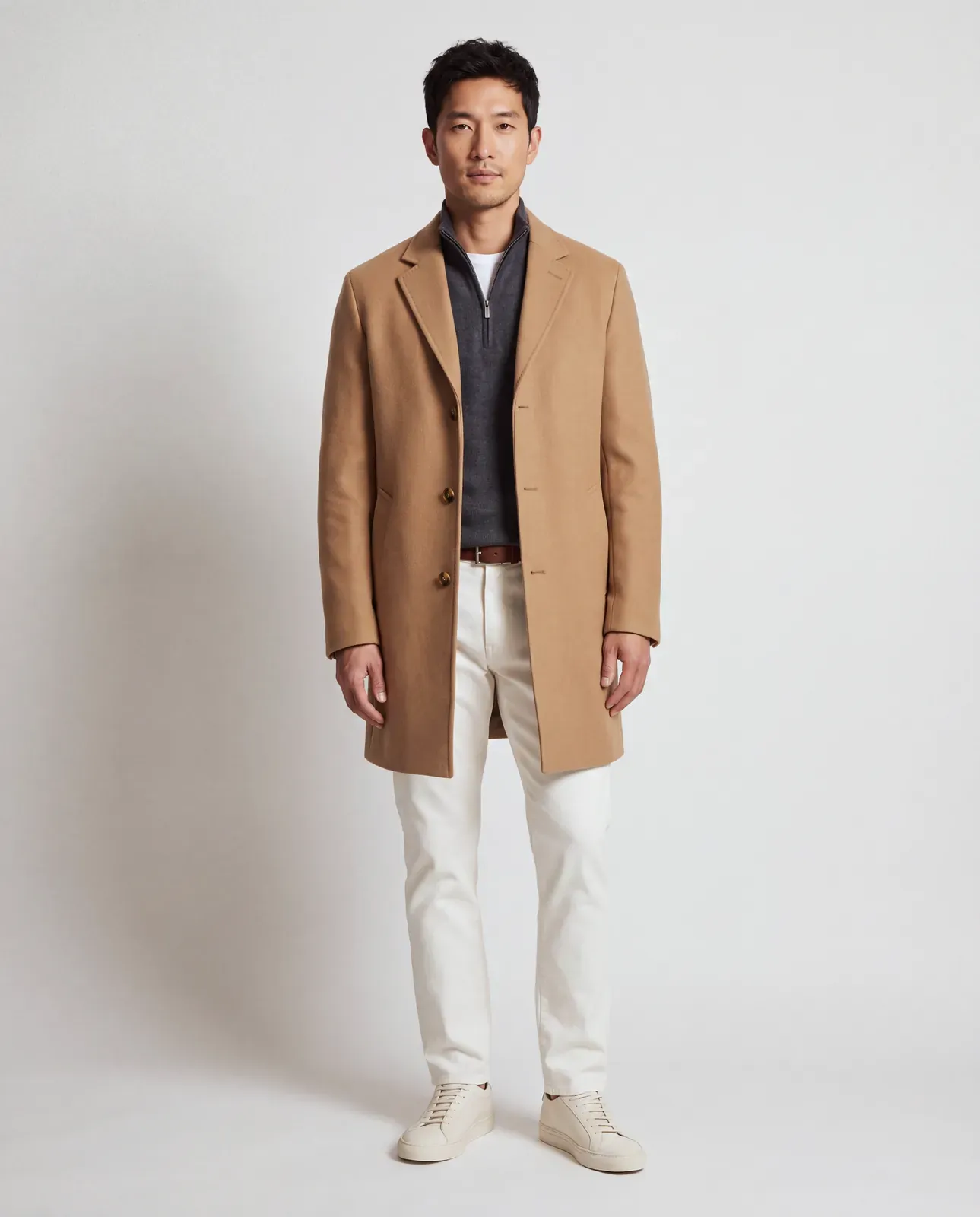
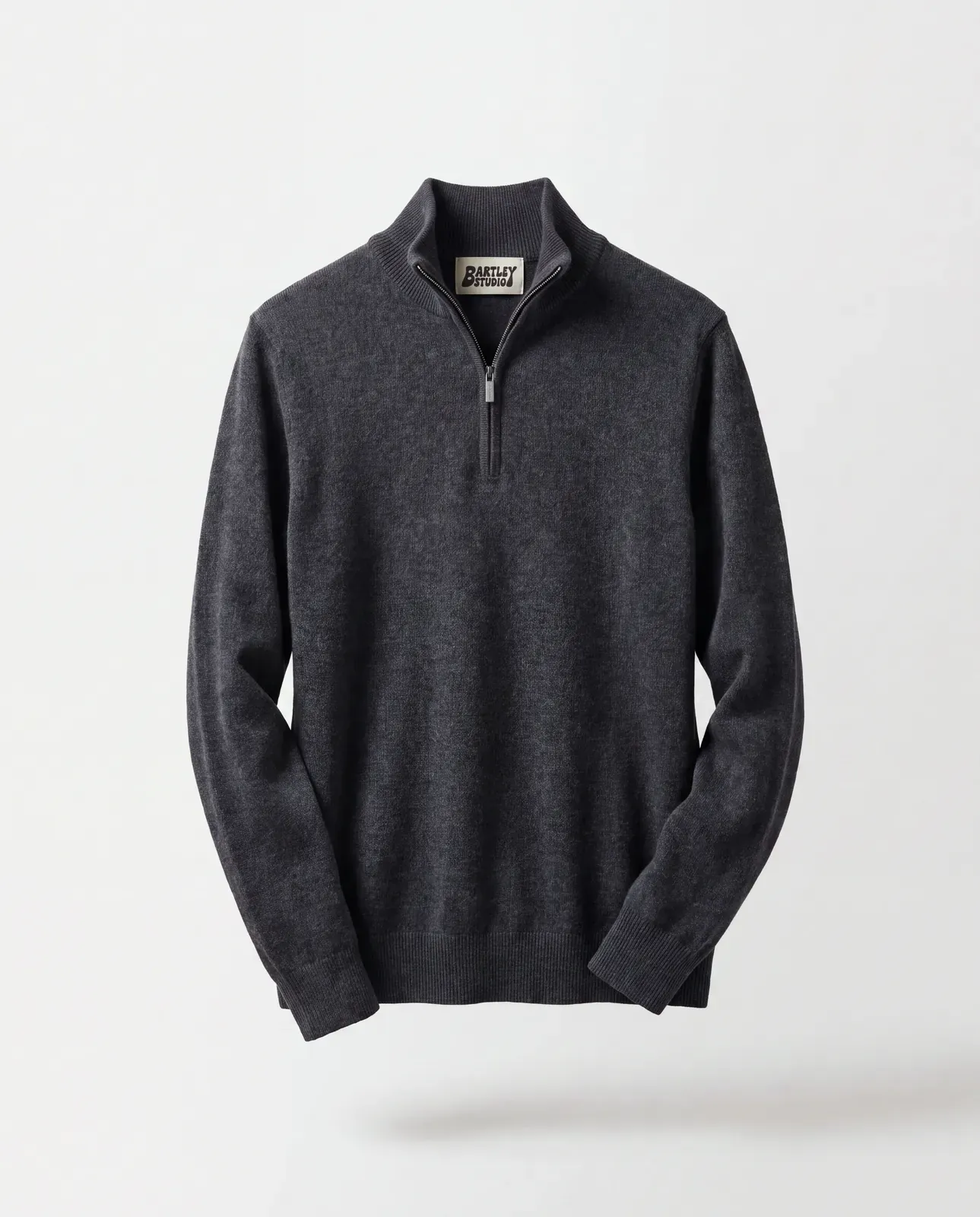
Apparel ranges multiply faster than shoot time.
Styles, colourways, drops and placement formats expand the shot list before the creative idea has even changed.
Colourways receive unequal coverage
The campaign colour gets the complete set while the rest of the range depends on swatches or isolated packshots.
Every format competes for the same captures
Product pages, paid social and launch content ask different things of the same shoot.
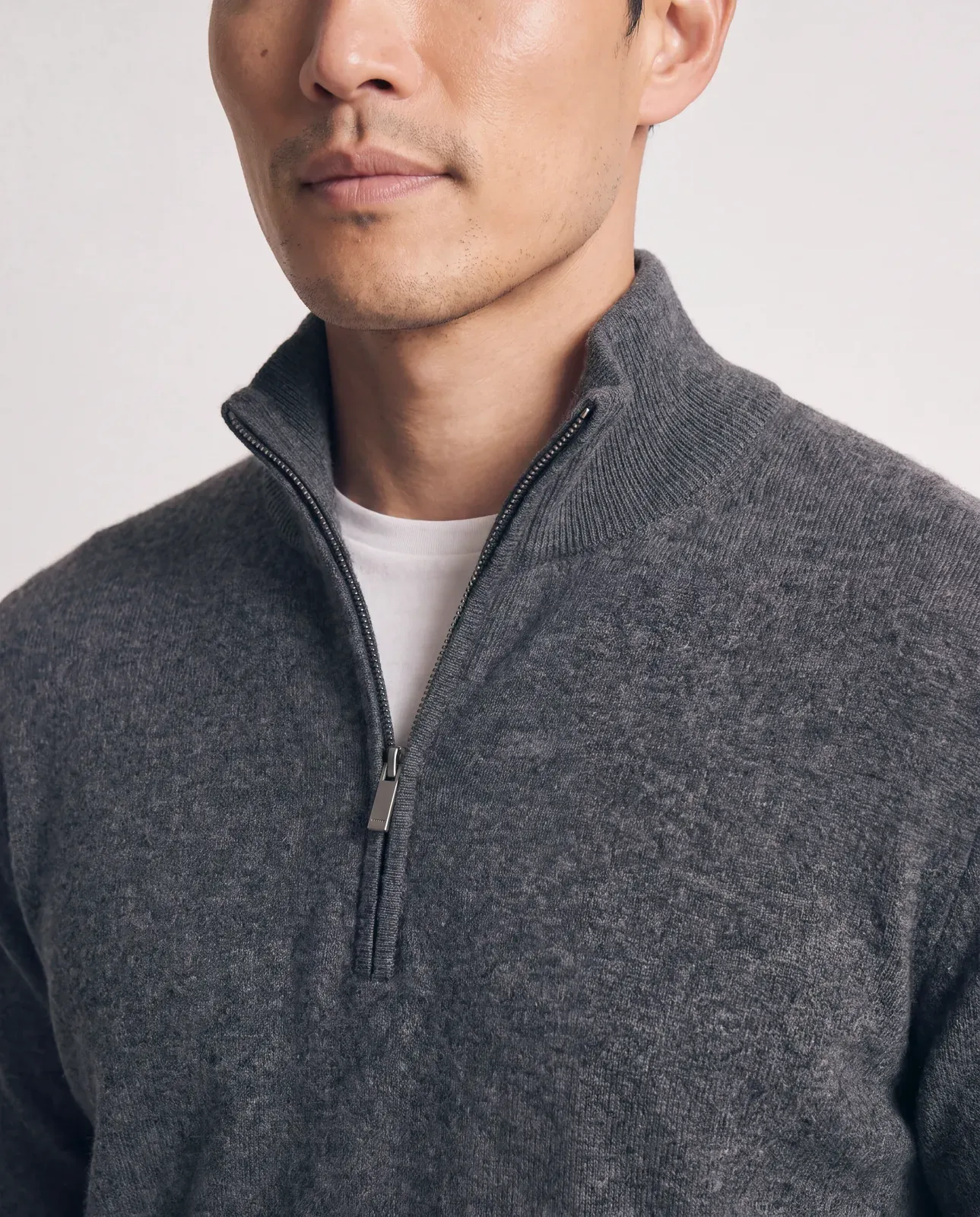
Small details carry product value
Fabric, stitching, fastenings and construction need dedicated frames rather than incidental visibility.
Fit claims require honest source limits
A garment cannot be represented accurately on a body when the available references do not establish its real shape and drape.
Extend the range without inventing the garment.
The source material decides what can be represented accurately. Production expands the useful contexts and formats inside that boundary.
- 01
Assess the garment references
We check whether colour, construction, proportions and important details are visible before committing to the brief.
- 02
Separate product truth from styling
The garment remains fixed while background, composition and supporting objects change.
- 03
Plan by channel
Listing, detail, social and ad frames are composed for their actual role.
- 04
State the limit when fit is uncertain
If the source cannot support an accurate on-body result, we recommend another production method for that frame.
One shoe, six views. No second shoot.
Every frame the listing needs
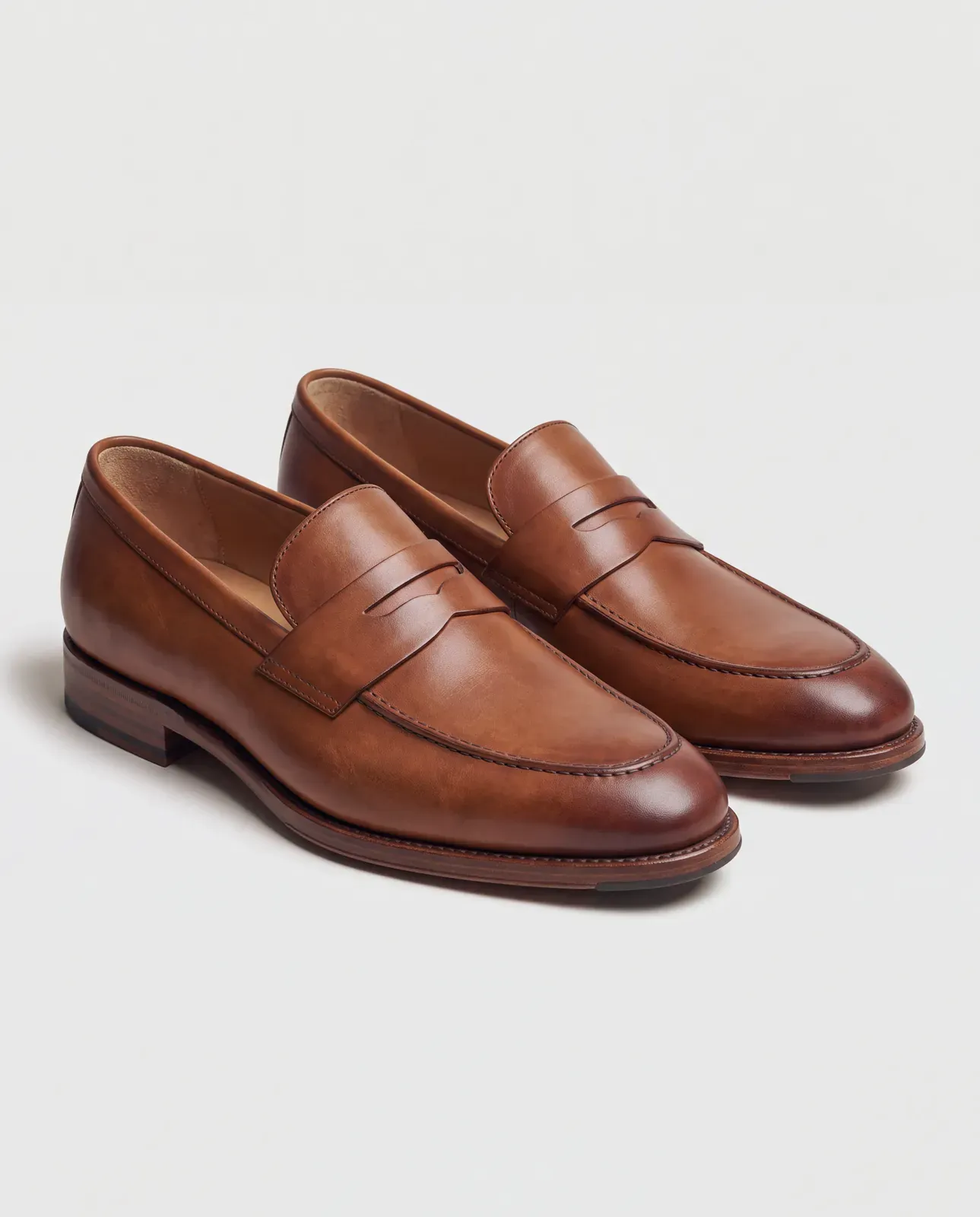
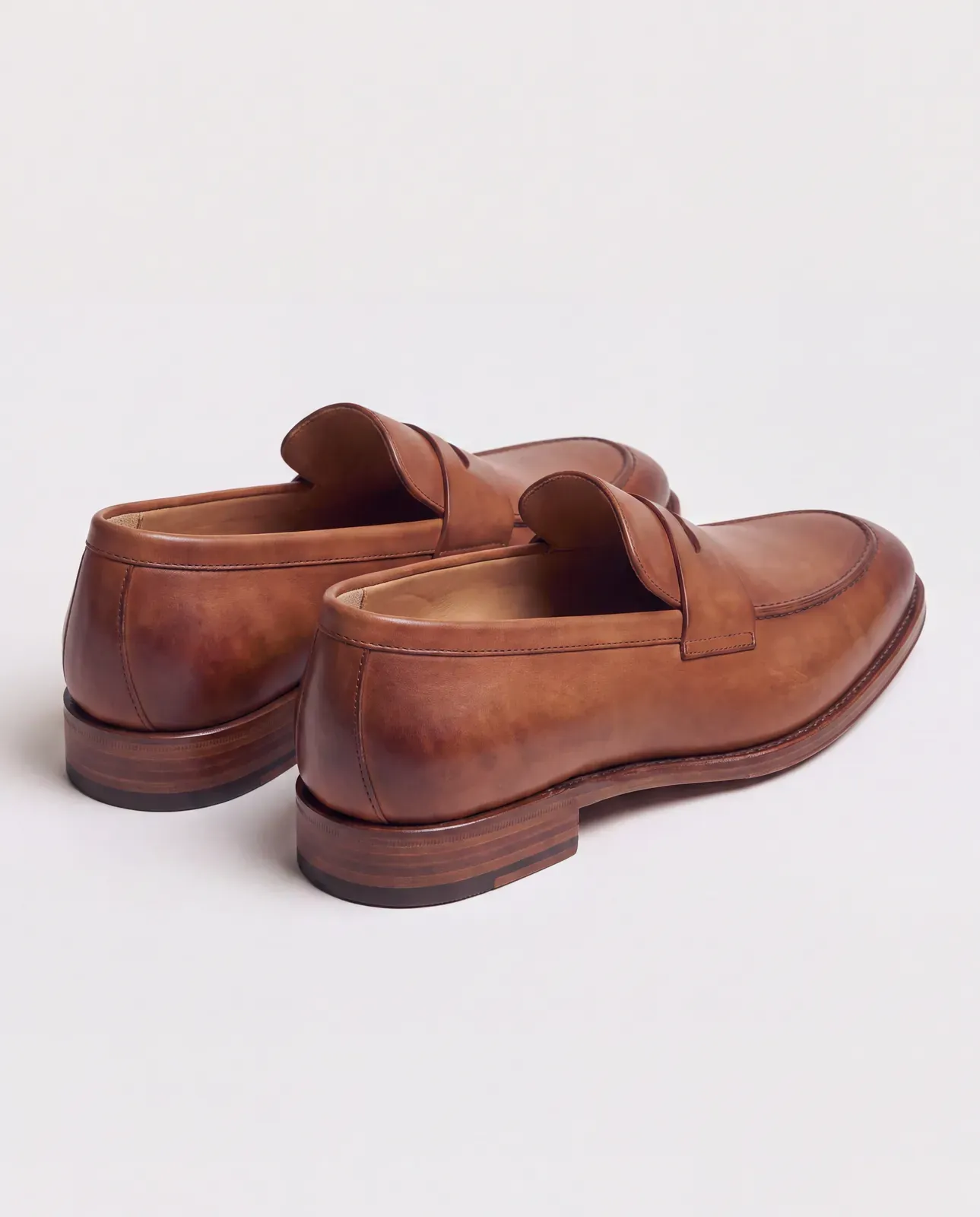
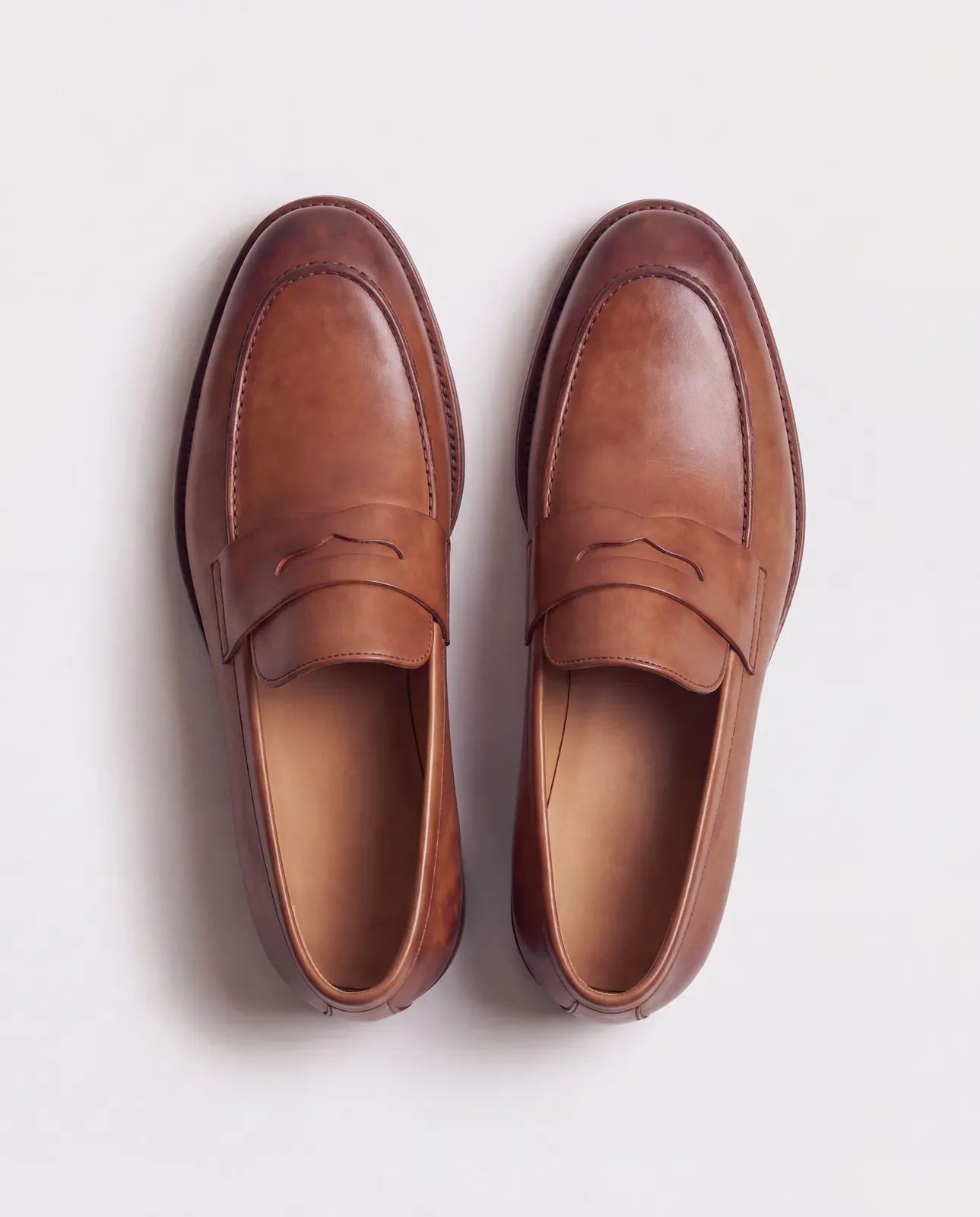
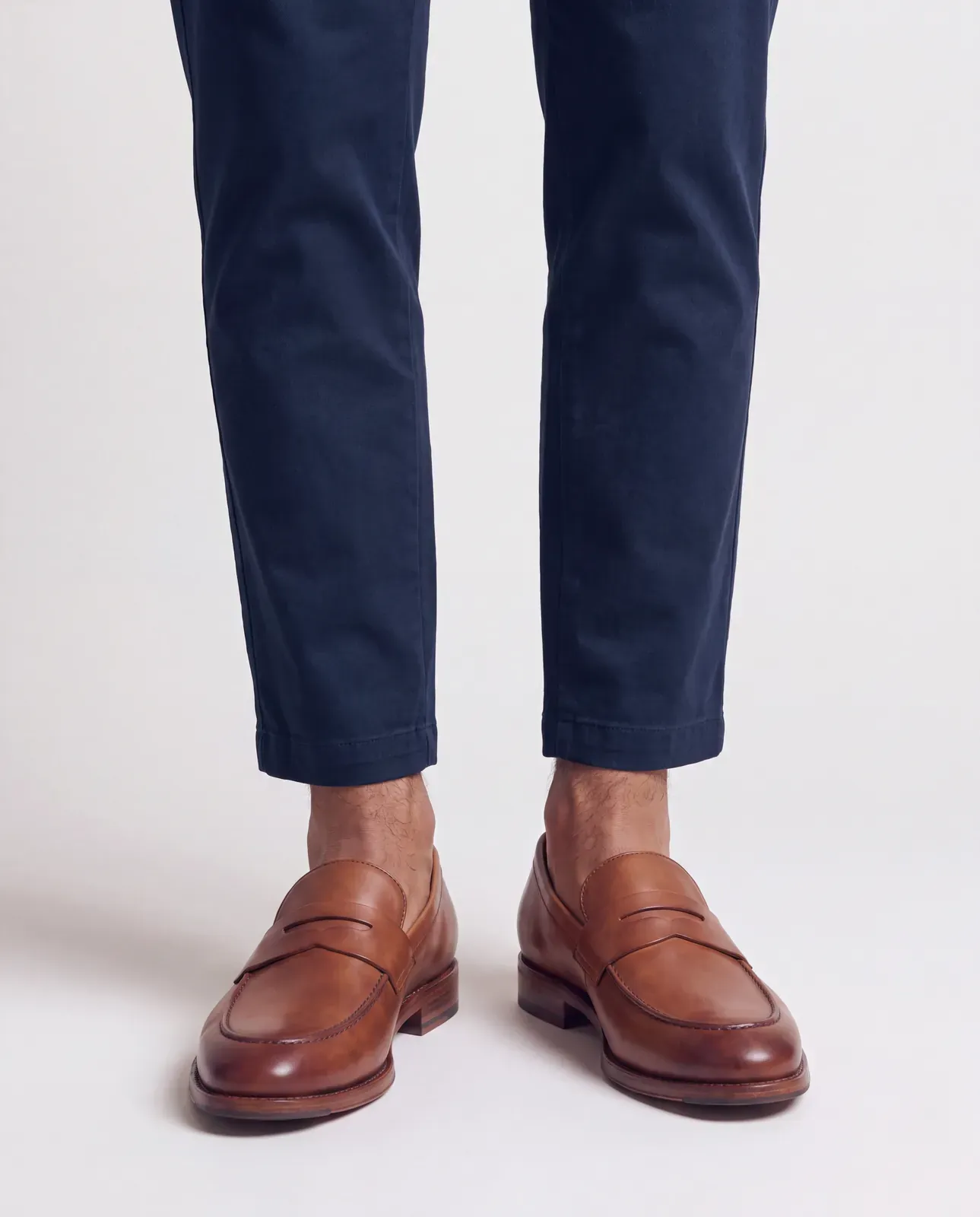
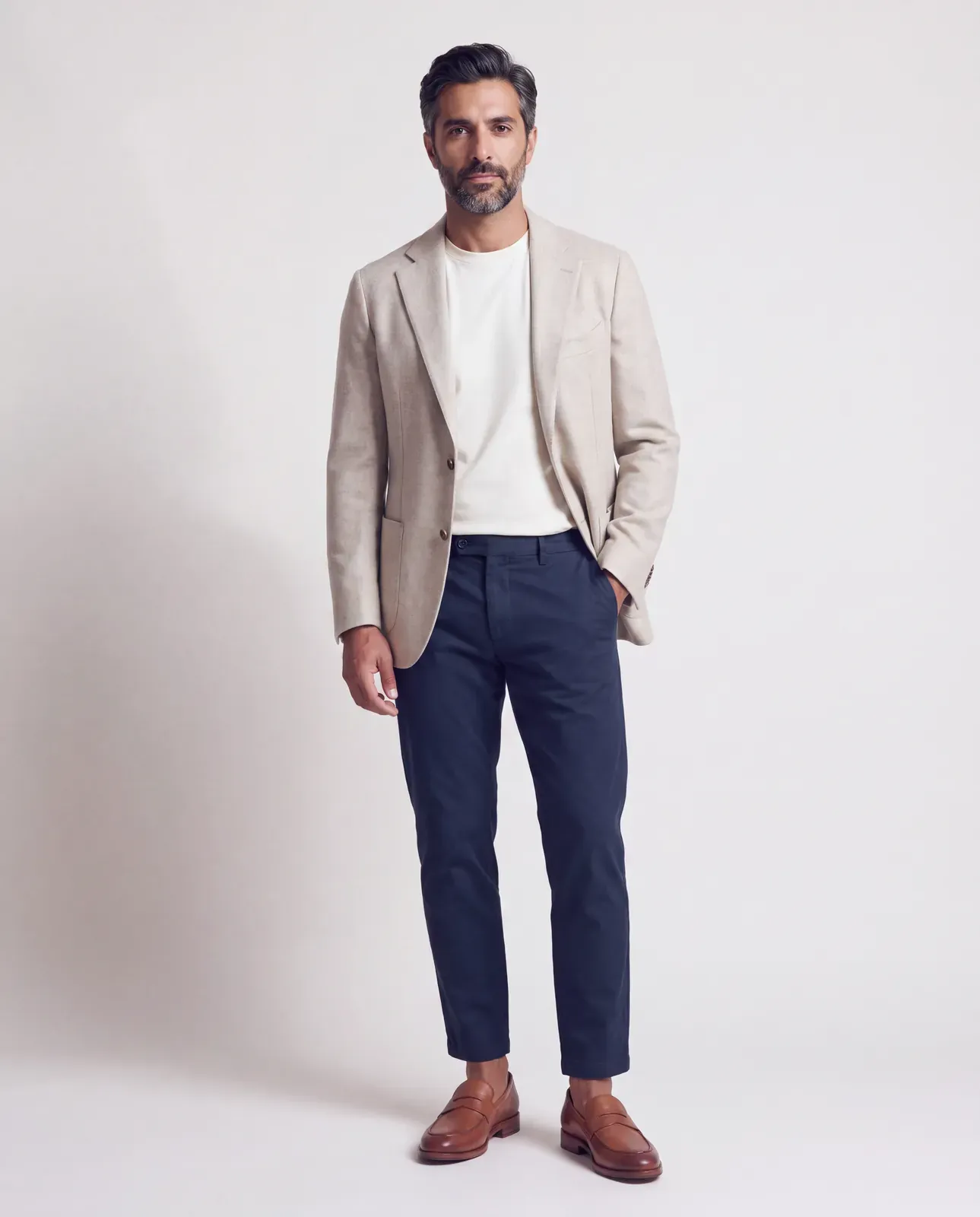
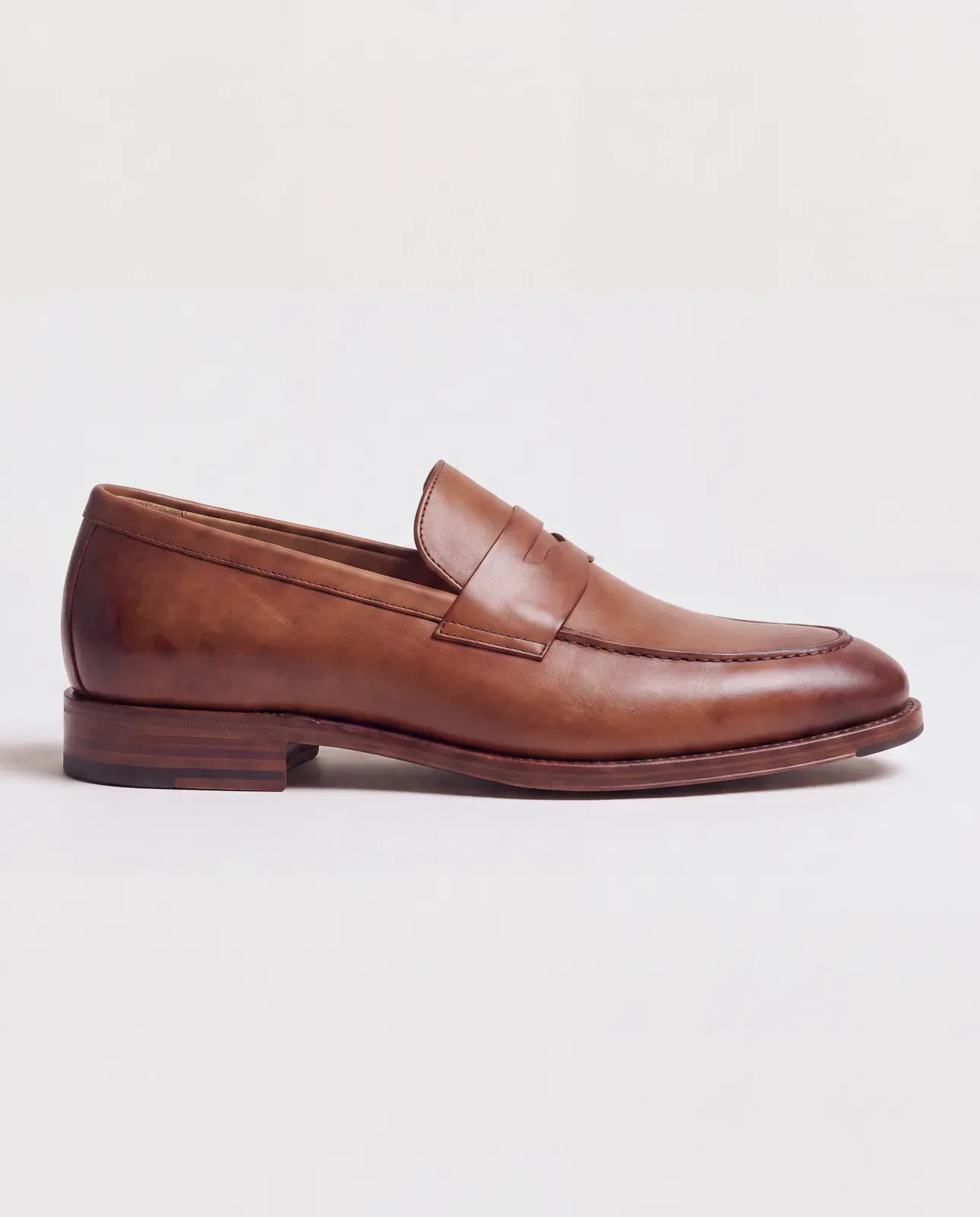
Choose the finished assets or the complete ad system.
Questions before you start.
What do you need from us to start?
Usually one clear product photograph, accurate dimensions and a reliable colour or finish reference. We review what you have before you commit, because poor source material limits what can be reproduced accurately.
Will the garments still look accurate?
The environment can change. The product cannot. Colour, proportion, finish, configuration and materials are checked against the real item before delivery.
How much does product imagery cost?
Product imagery starts at $350 AUD for one product and six images. Larger catalogues are priced by product and image count, with the exact estimate available in the pricing flow.
Can the same work be turned into ads?
Yes. The imagery can stand alone or become part of an ad creative sprint. A sprint includes 20 static ads and 5 videos for $1,600 AUD.
Can you put the clothing on a generated model?
Only when the source material supports an accurate representation of the garment, including its construction and drape. We do not invent how a product fits and present it as fact.