Every colourway on the rail, without a shoot per colour.
Apparel multiplies faster than any other category. Eight colours across five sizes in three fits is a photography problem that grows before the range does, and it lands before the stock does.
The short answer
Apparel brands can show garments in context, on rails, folded or flat, across every colourway, without a separate shoot for each. The garment itself is not altered: fabric texture, weave, colour, print placement and drape are matched to the real product, while the room, the rail and the light are generated. It suits product-led apparel such as knitwear, sweatshirts, caps and outerwear shown as objects; it is not a substitute for on-body model photography, which is a different craft.
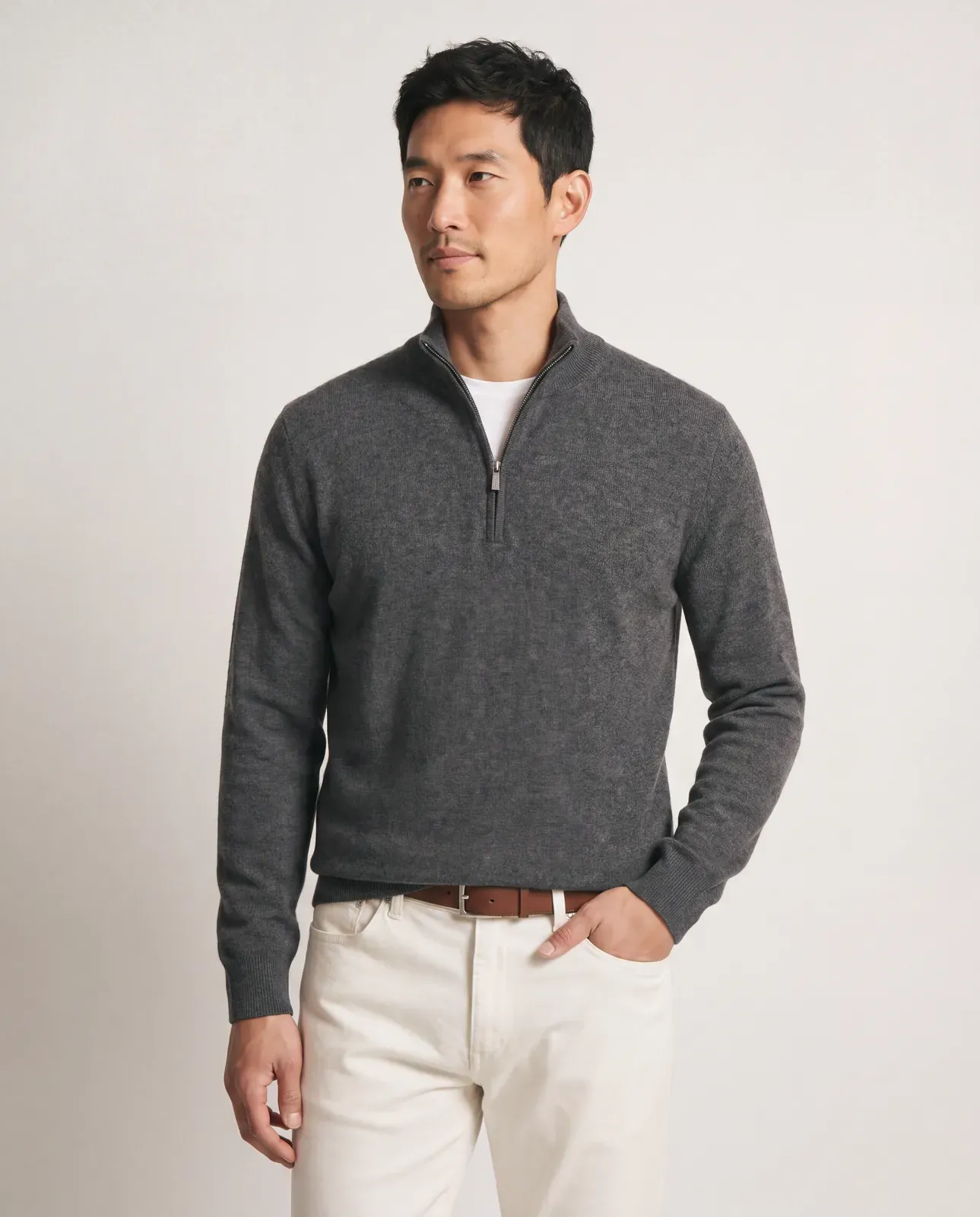
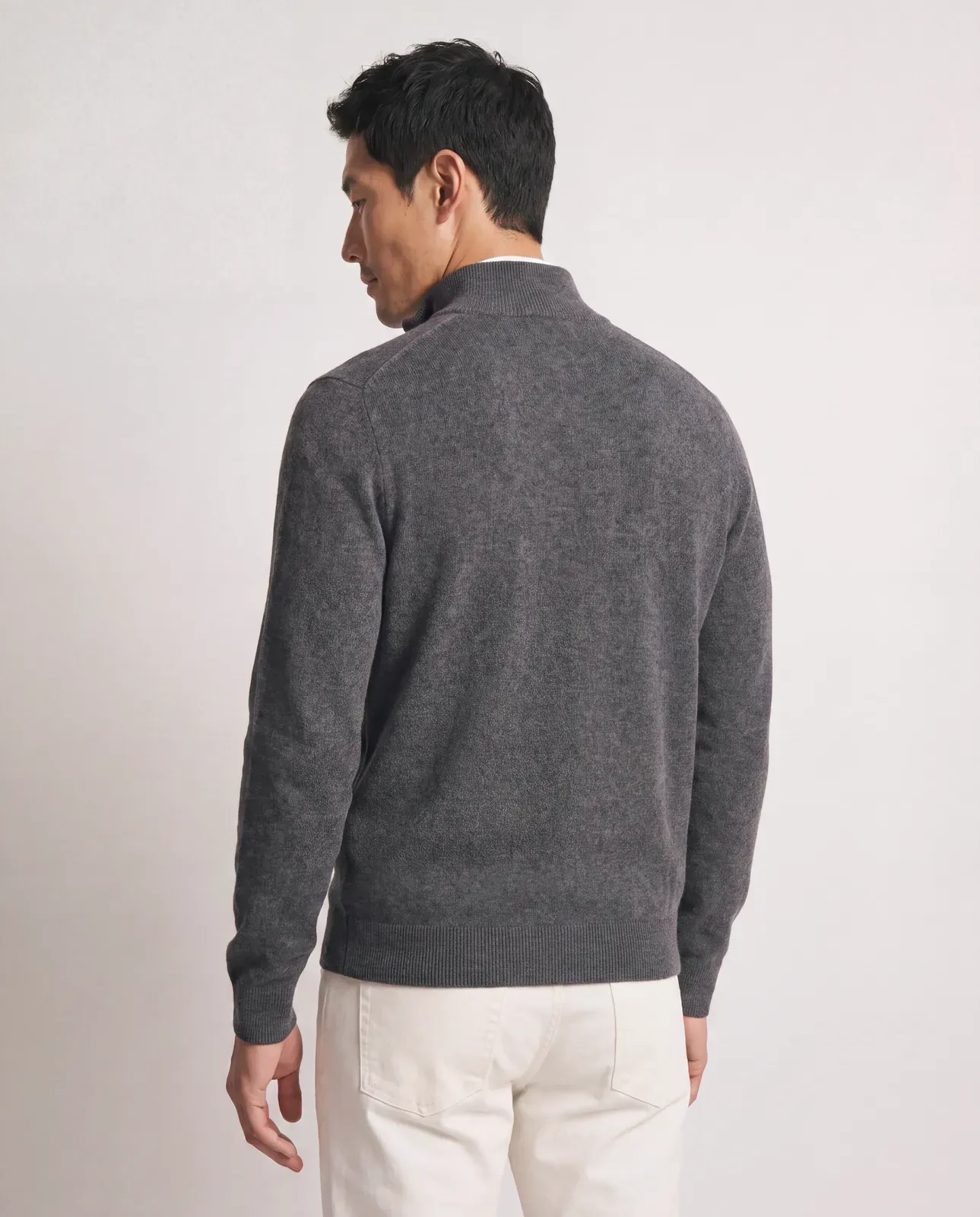
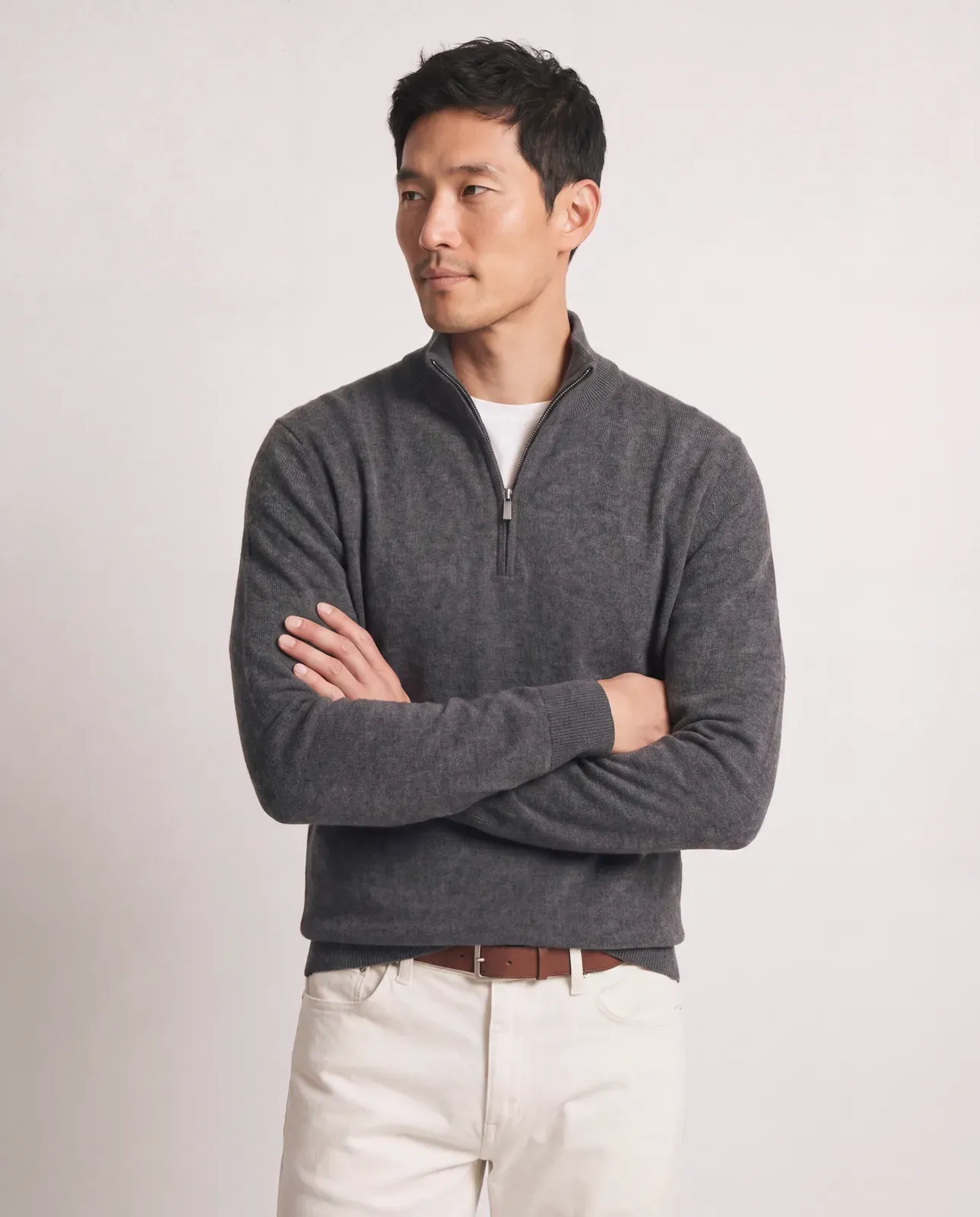
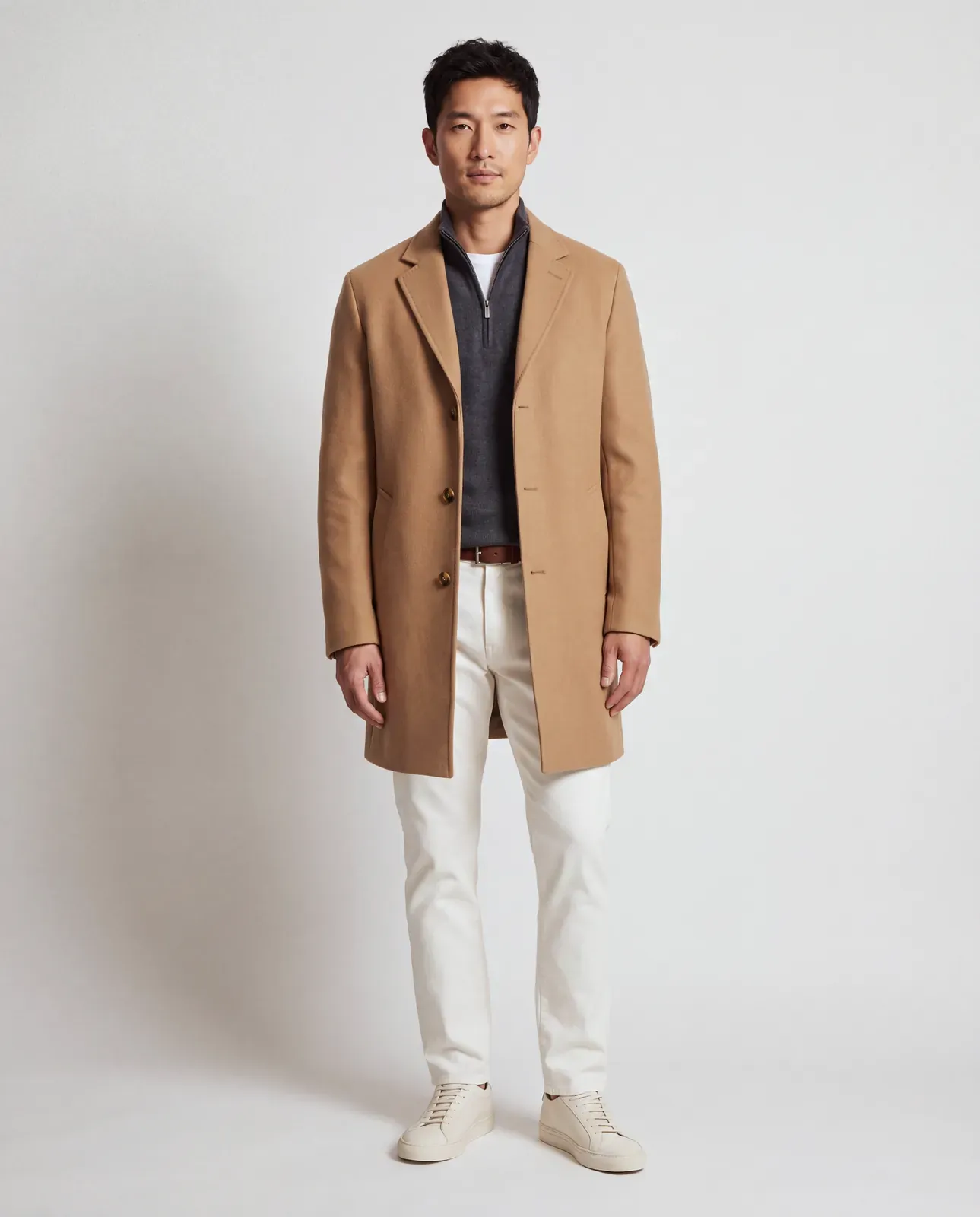
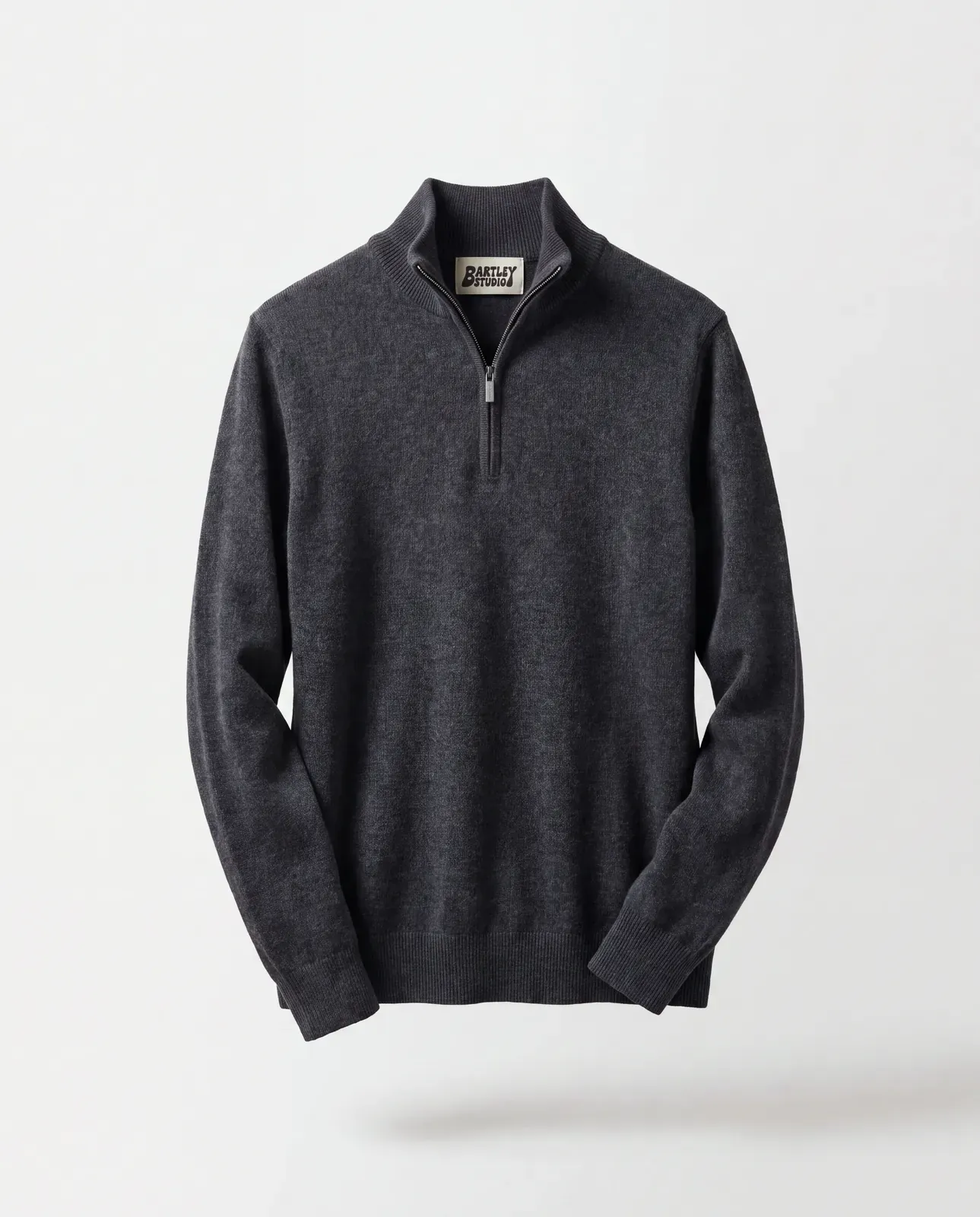
The range multiplies before the stock arrives
Apparel is the category where the photography workload is a multiplication rather than an addition.
Every colourway is its own shoot
A single style in eight colours is eight setups, and a range of six styles is forty-eight. The photography grows faster than the range, and it is the reason small brands photograph three colours and use swatches for the rest.
The shoot happens before the stock lands
Pre-orders and seasonal drops mean imagery is needed before production samples exist, so brands photograph the sample and hope the bulk matches.
Fabric has to read at thumbnail size
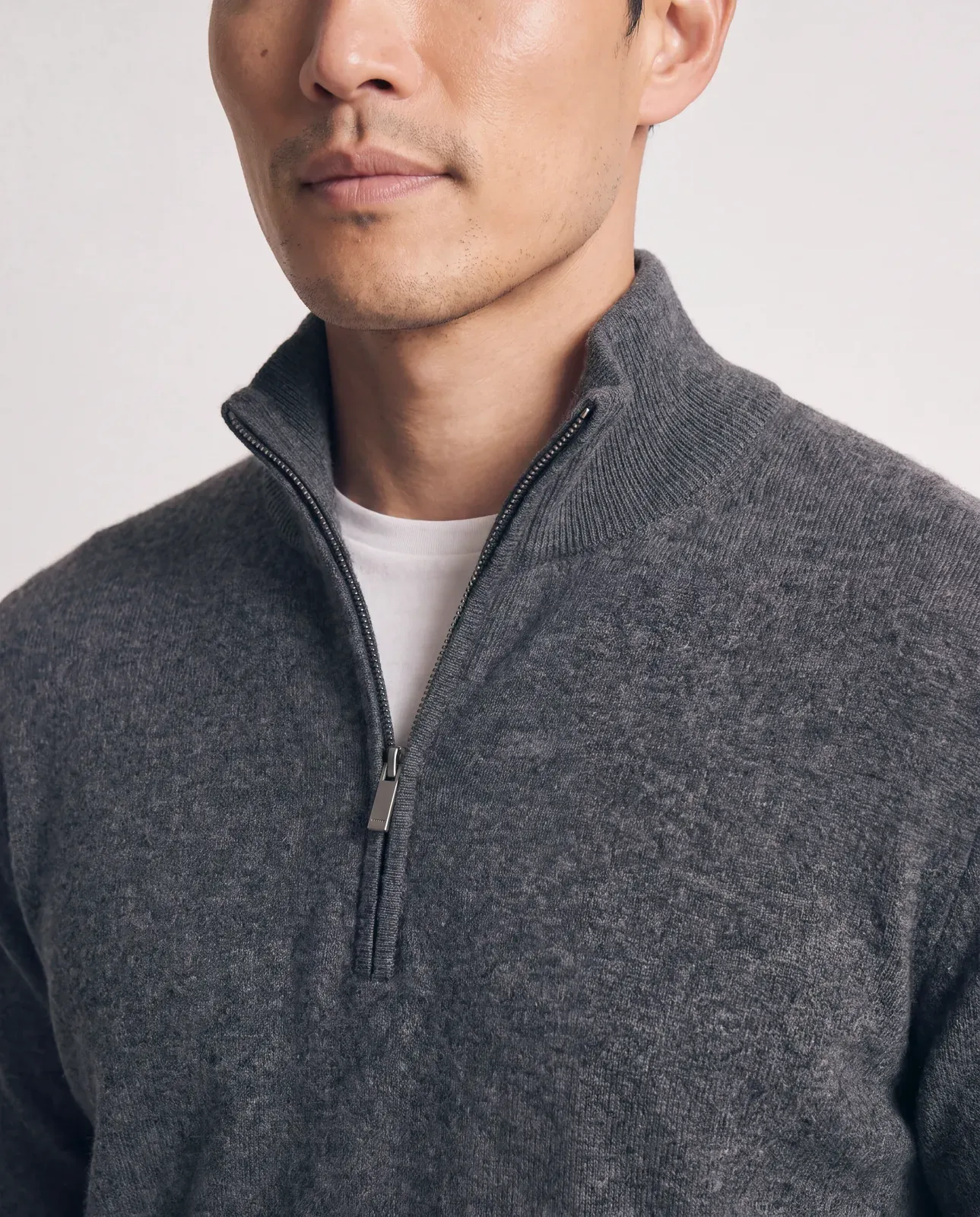
Weave, pile, rib and drape are most of what a customer is buying and most of what disappears when an image is scaled down to a grid tile.
A model shoot costs more than a small range earns
Model, styling, studio and usage rights are a fixed cost that does not care how many units the drop is. For a small brand it can exceed the margin on the whole run.
Eight colourways, one photograph to start from.
The multiplication stops when a colourway is a brief rather than a booking.
- 01
Every colour, same rail, same light
A customer comparing your colourways is comparing fabric rather than comparing two shoots on two days, which is what makes most online apparel ranges look inconsistent.
- 02
Context without a location
A sweatshirt can sit on a rail in a studio, folded on a shelf in a shop or hung in a room, none of which have to be dressed, booked or lit.
- 03
Fabric that survives the thumbnail
Weave, rib and pile are matched to the real garment and checked at the size a customer actually sees first, which is a grid tile rather than a full-screen hero.
- 04
The garment stays exactly the garment
Colour, fabric texture, print placement, trims and drape are matched to the real product. Getting a colour wrong in apparel is a return, and returns are the whole margin.
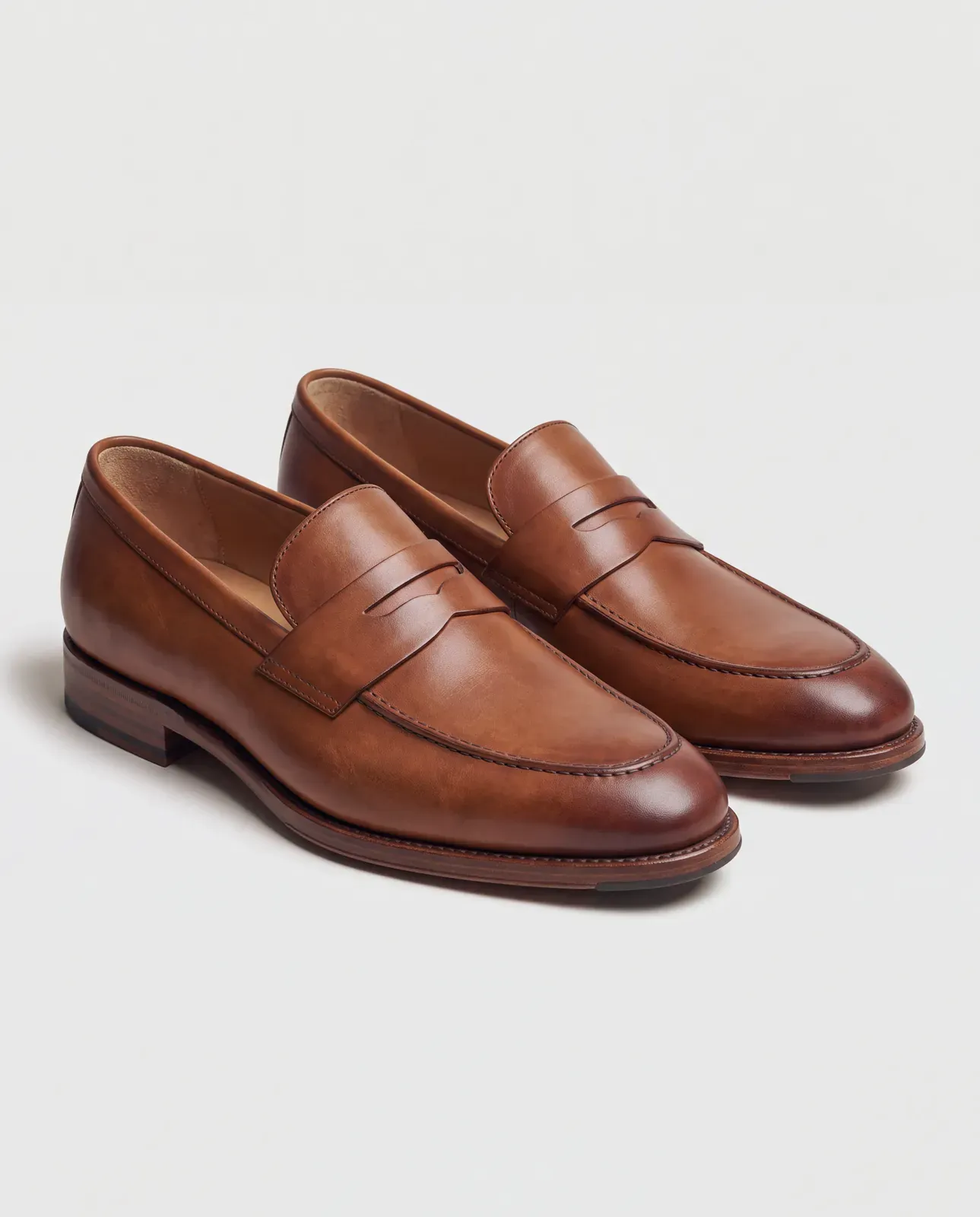
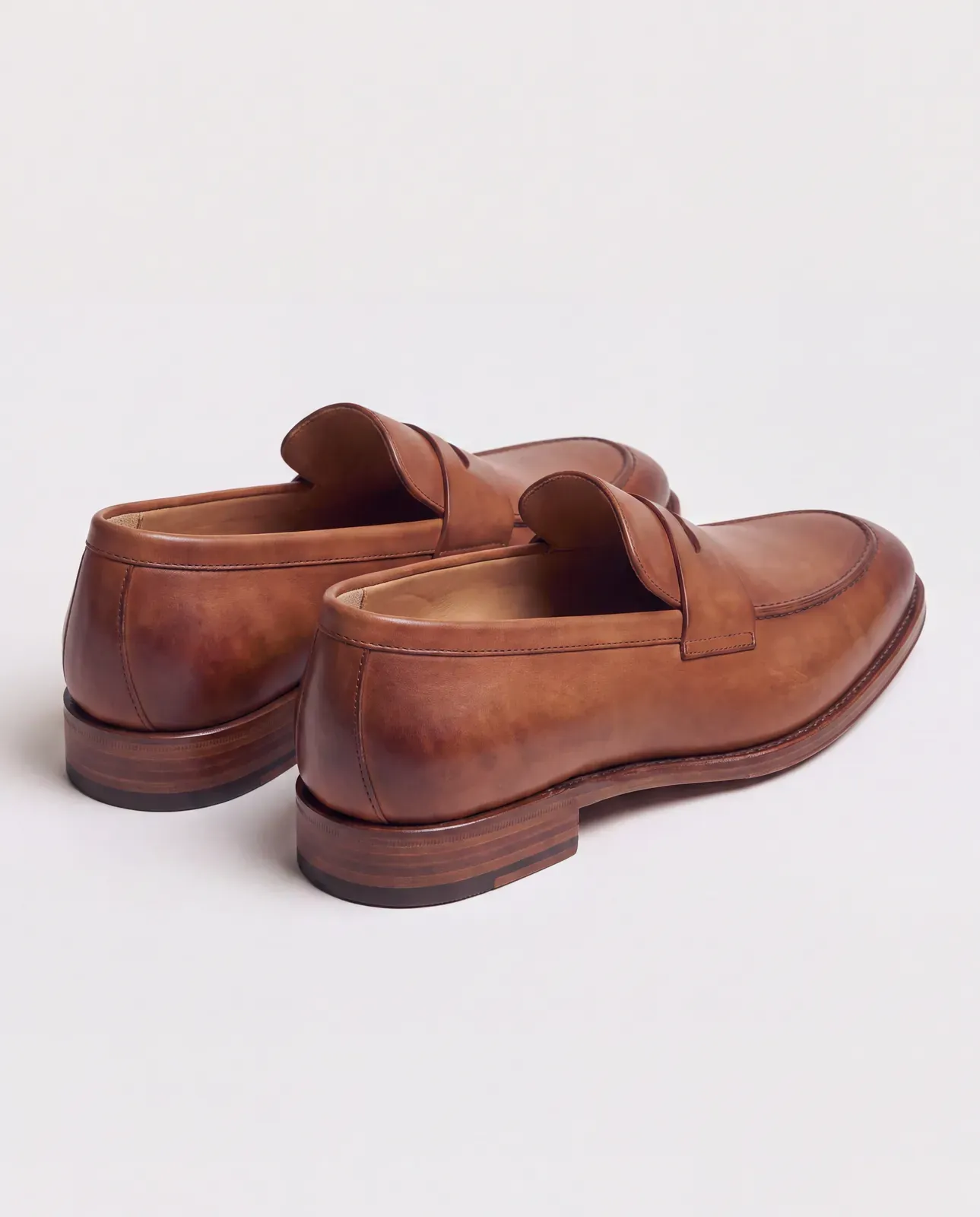
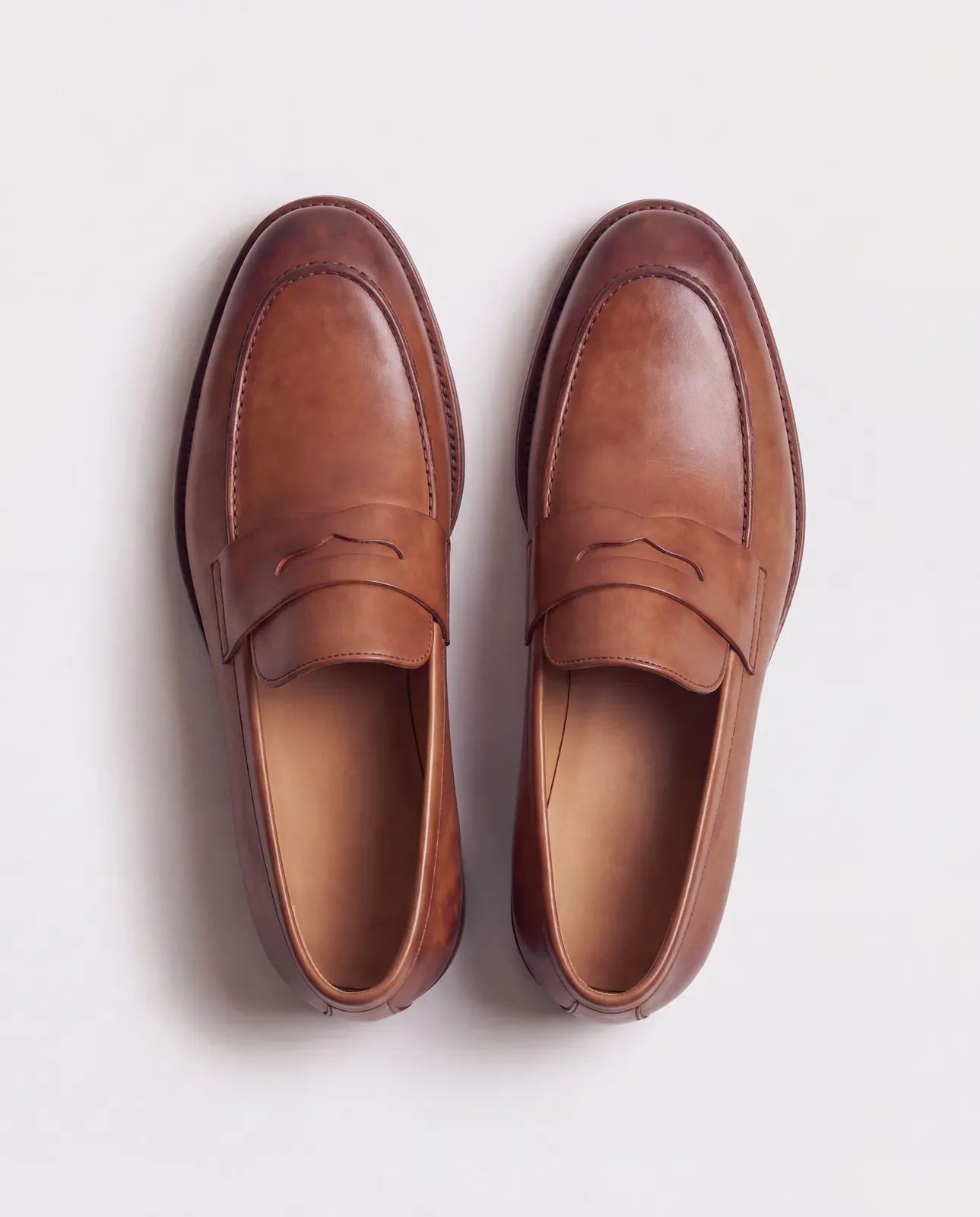
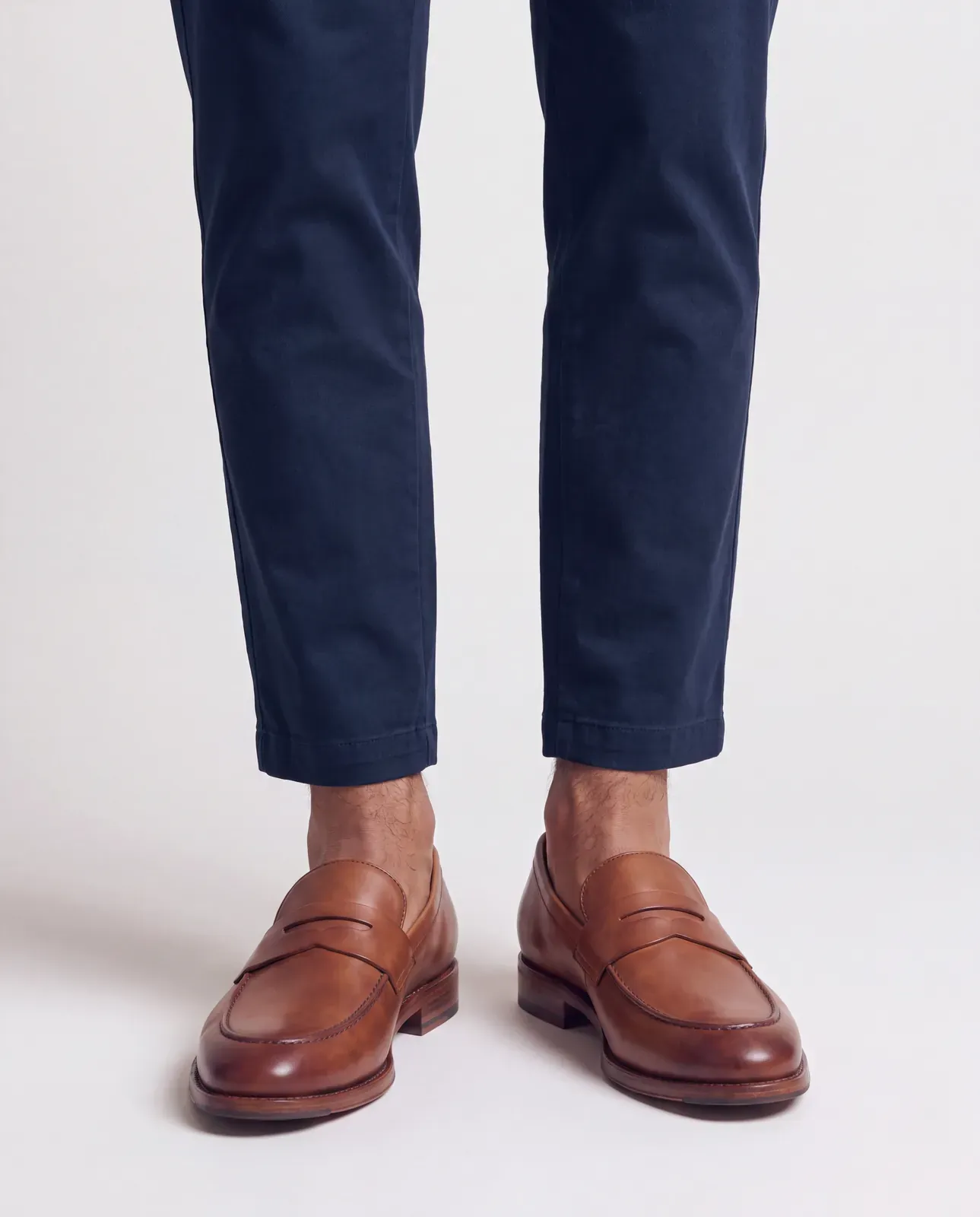
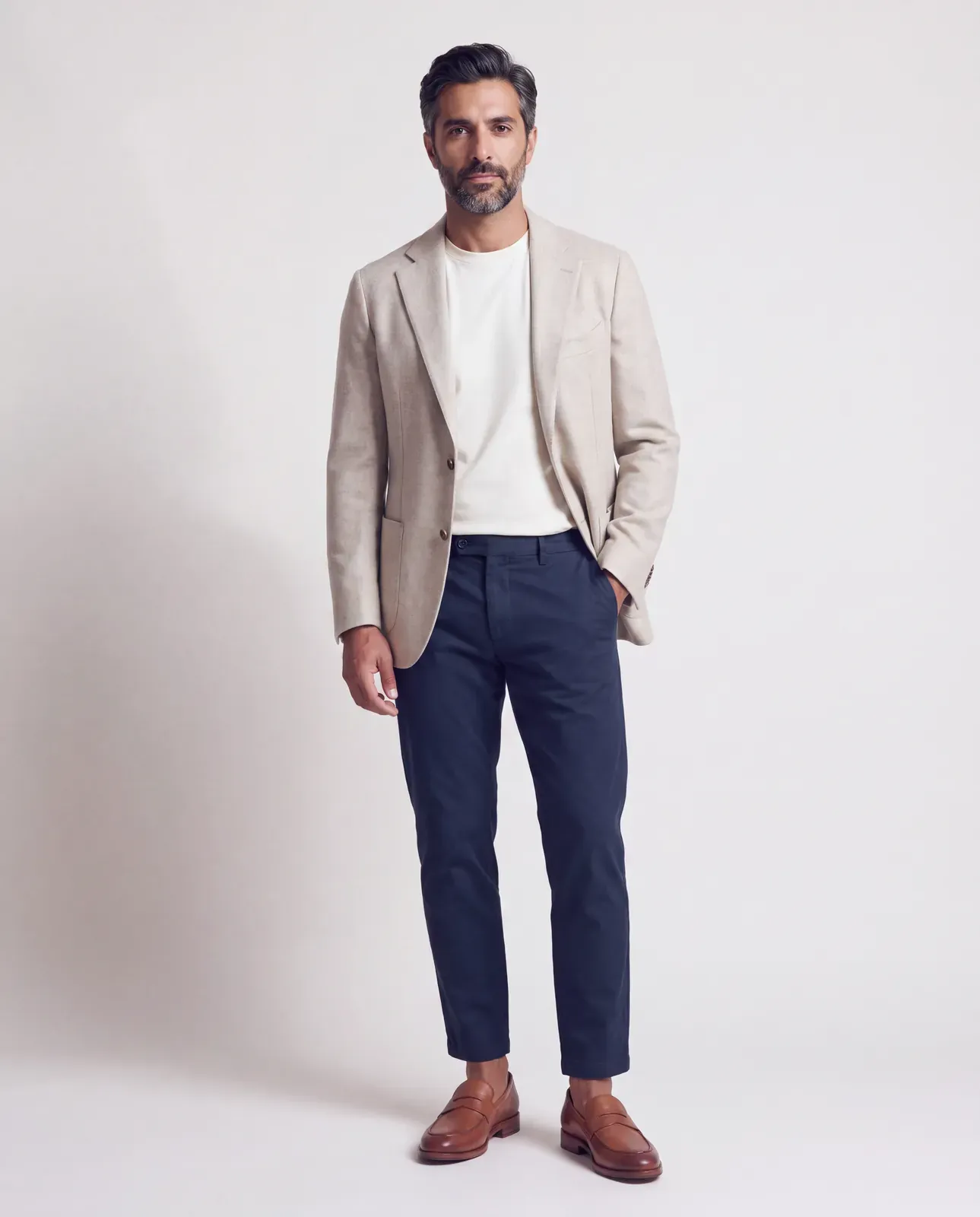
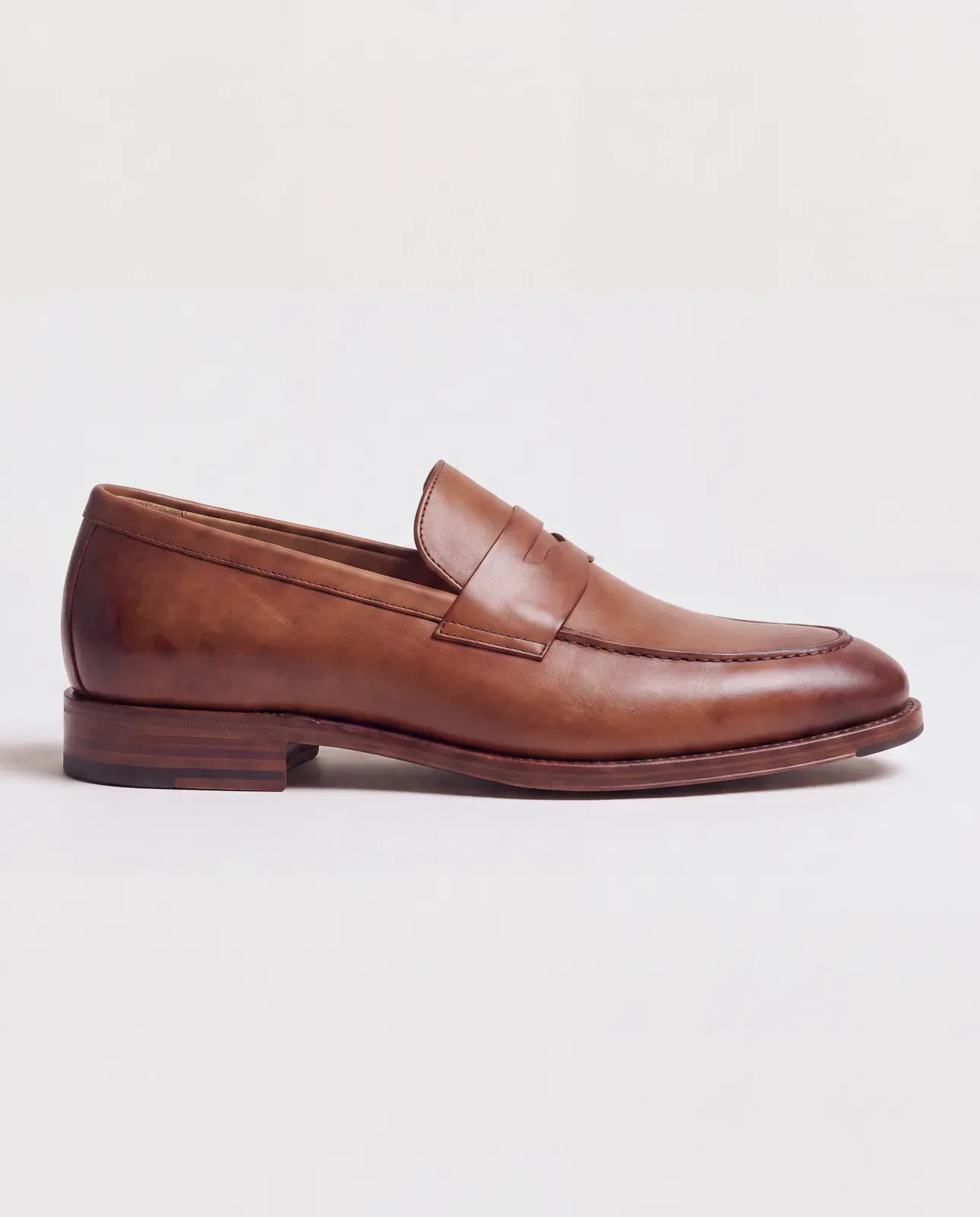
One shoe, six views. No second shoot.
Every frame the listing needs
The questions people search.
Can you do apparel photography without a model?
Yes, and that is the honest boundary of what this does. Garments shown as products, on rails, folded, flat or hung in an environment, is where it works. On-body model photography is a different craft and you would be better served by someone who does it properly.
How do you show every colourway without photographing each one?
Each colourway is produced from the same base garment with the colour and fabric matched to the real cloth, so every version appears on the same rail in the same light. The customer compares the colour rather than two different photographers.
Will the fabric texture look real?
That is the thing to check in this category. Weave, rib, pile and how a fabric falls are what a customer reads quality from, and a garment that drapes wrongly is the tell. Frames are checked at thumbnail size as well as full size, because the grid tile is what people see first.
We only have a sample, not production stock. Does that matter?
It matters for accuracy, so tell us. If the bulk differs from the sample in colour or trim, the imagery has to follow the bulk rather than the sample, or the first delivery becomes a returns problem.
What about prints and placement?
Print artwork, scale and placement on the garment are matched to the real product. They are part of the product, so they do not get generated.
What does it cost for a drop?
From $350 AUD for one product at six images, priced on how many garments and how many images of each, with the per-image rate falling as the range grows.