Your whole furniture range, in rooms nobody had to build.
Furniture is the hardest category to photograph and the most expensive to get wrong. Every frame you need means moving something heavy into a room somebody built. This is the other way of doing it.
The short answer
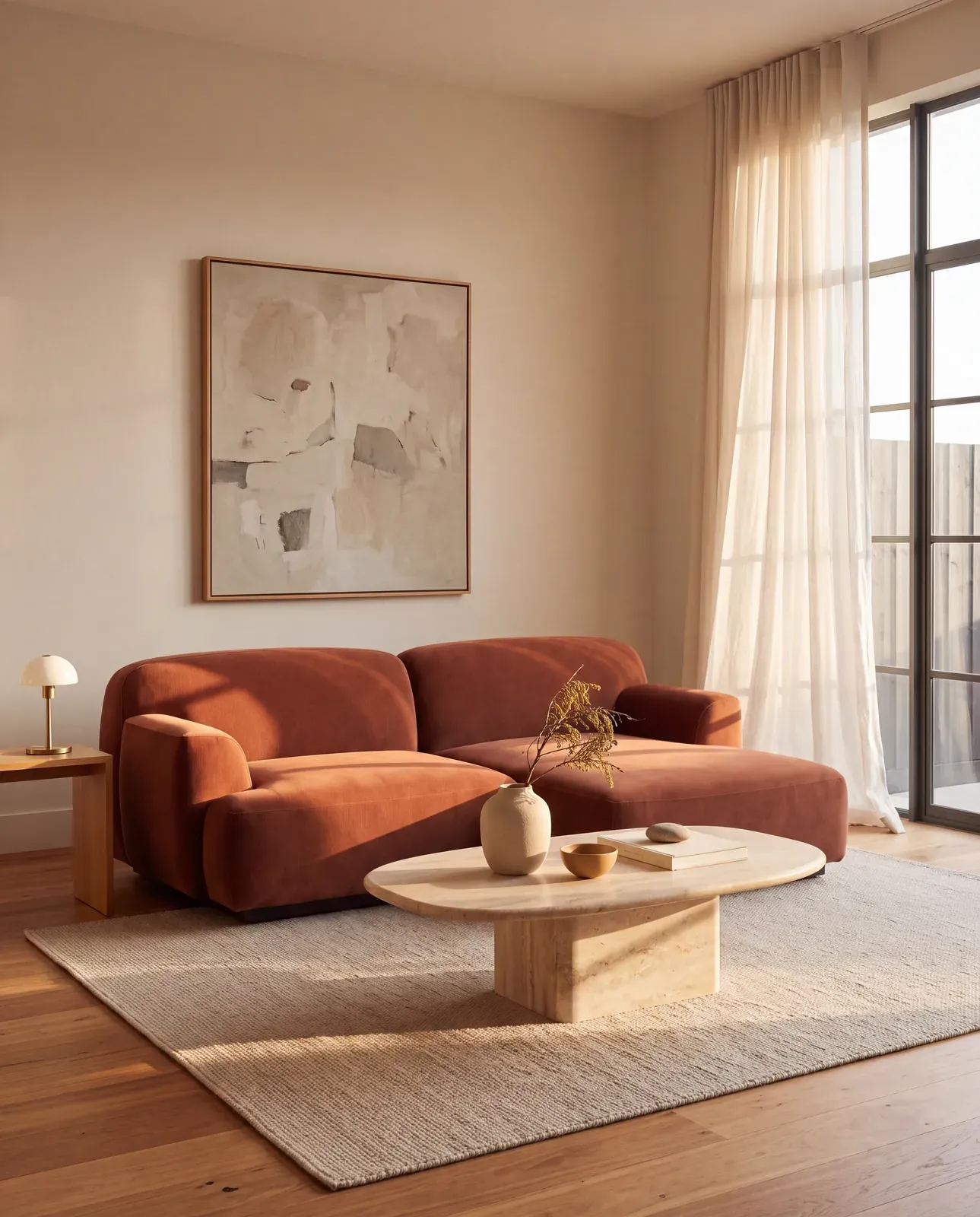
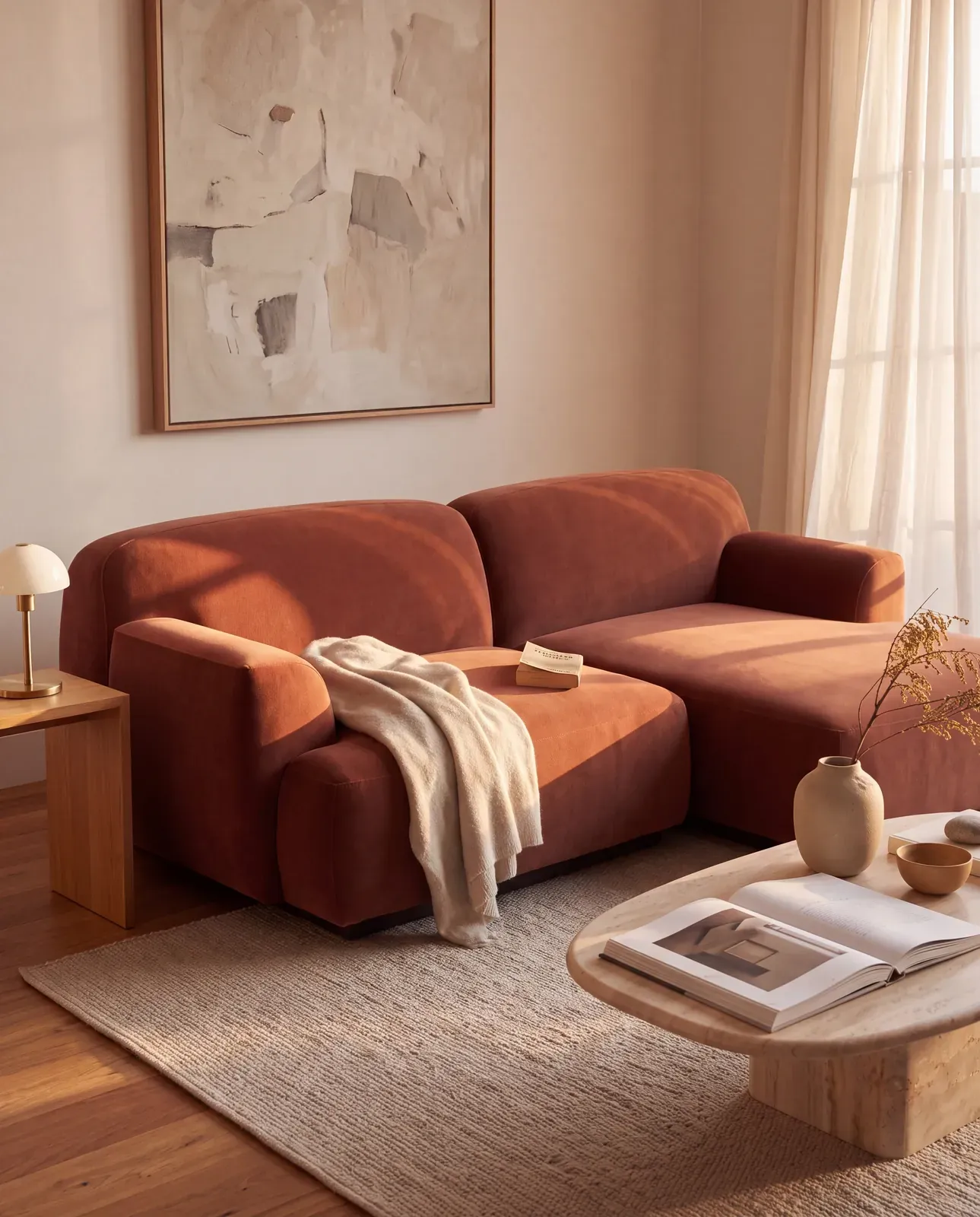
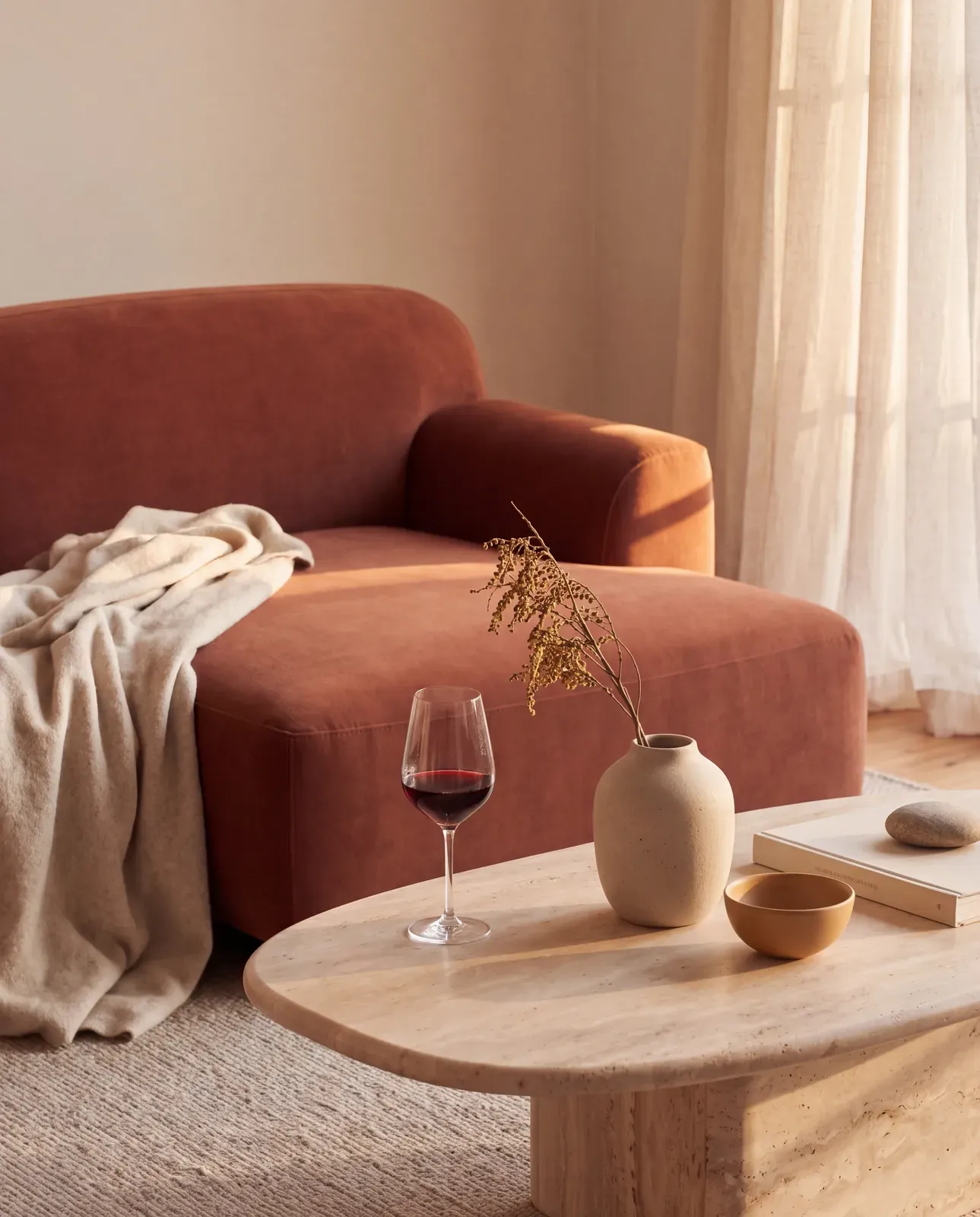
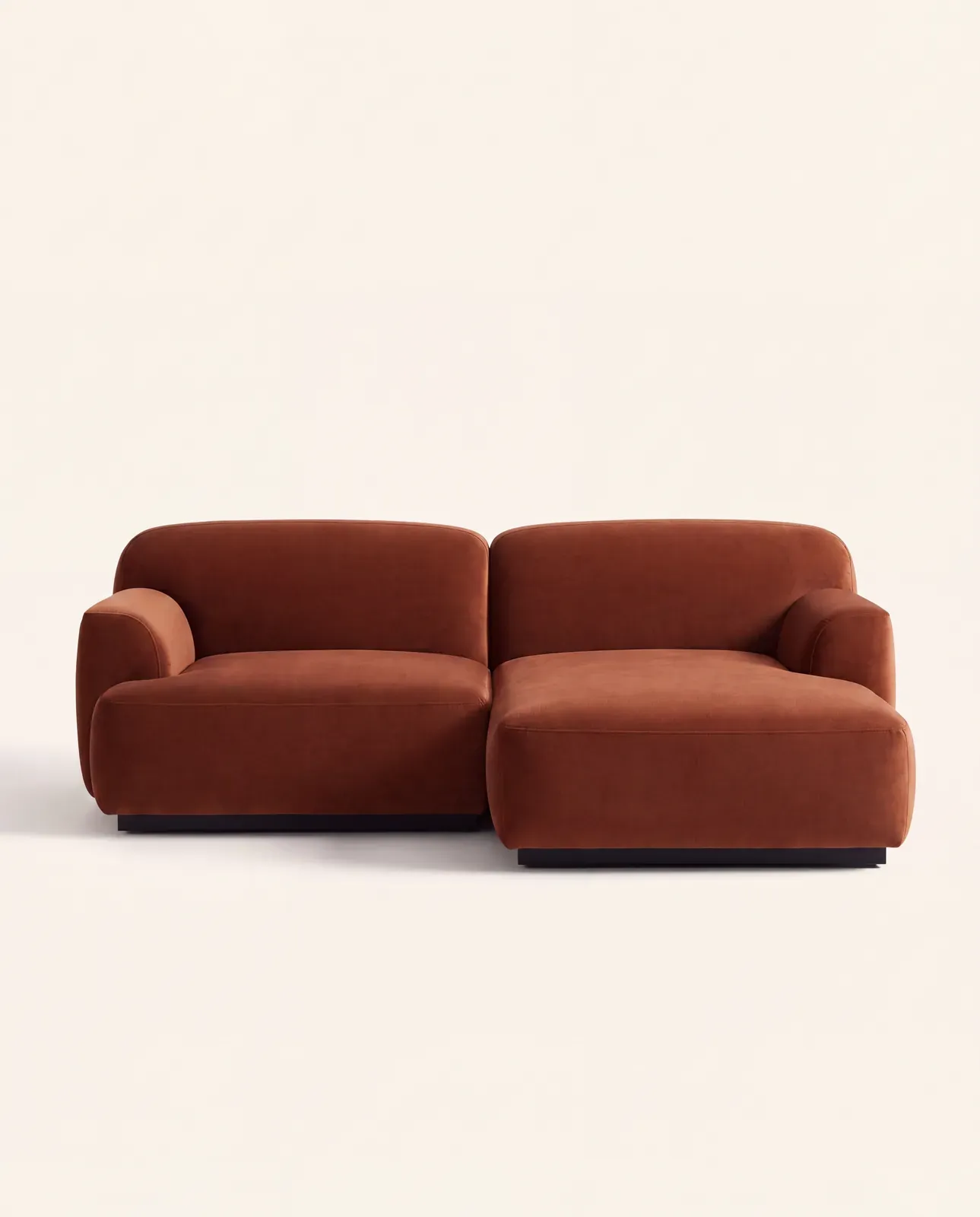
Furniture brands can produce lifestyle photography without booking a room set, by generating the environment around a single existing product photograph. The product itself is not altered: colour, proportion, finish, configuration and materials are matched to the real item, and only the room, styling and light are built. That turns the number of environments into a briefing decision rather than a budget one, which is what lets every variant and every long-tail SKU be shown in context instead of only the hero pieces.
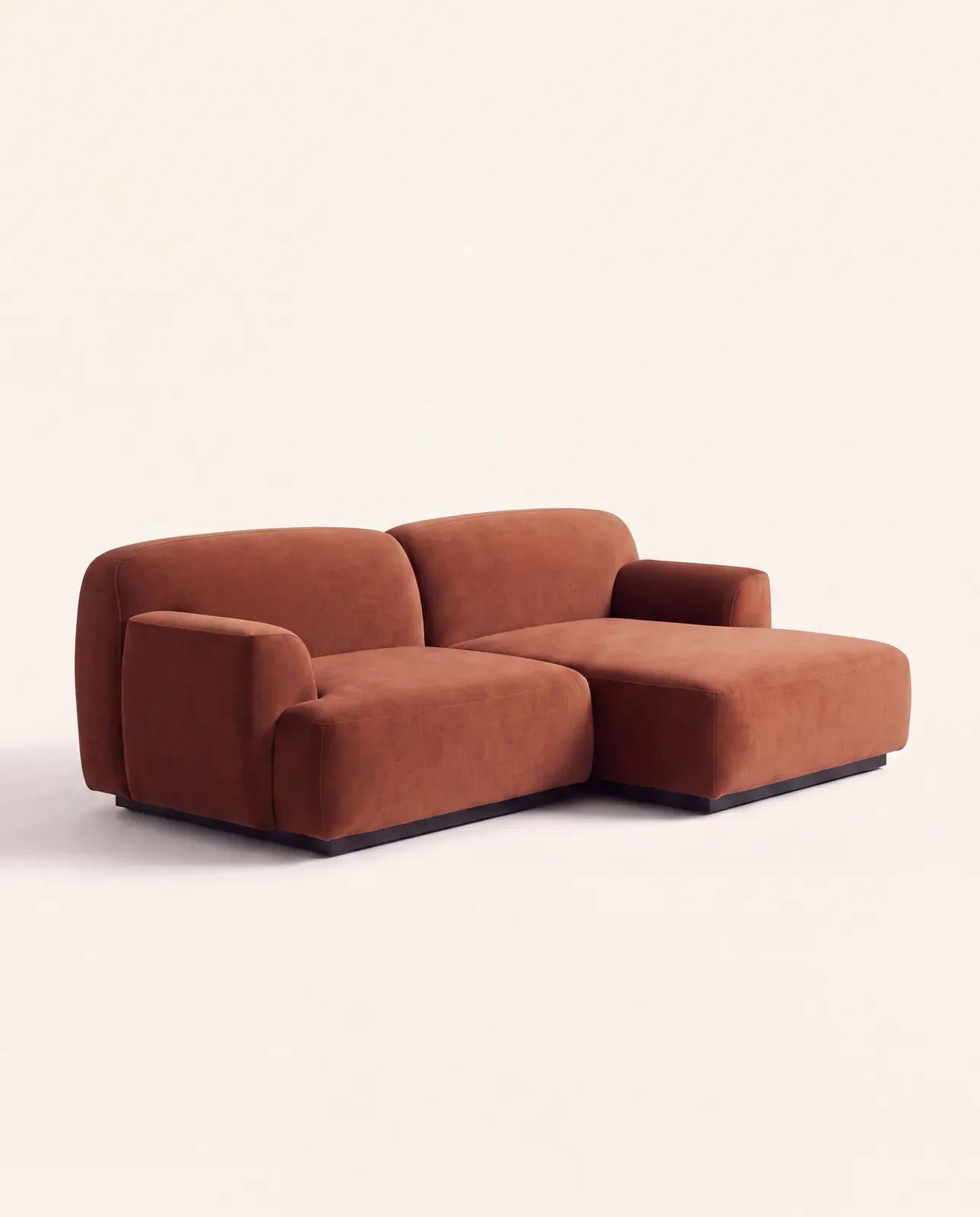
Why furniture is the worst case
Every category has a version of this problem. Furniture has the expensive version, for four reasons that have nothing to do with photography being hard.
The variant maths never works
One sofa in eleven fabrics, three sizes and two leg finishes is sixty-six combinations. A room set photographs one of them. The other sixty-five get a swatch and a hope.
The product weighs 90 kilos
Every additional environment means moving furniture into it. Freight, two people, a booked location and a day. That is why the second room never gets shot.
The long tail gets a white background
The shoot budget goes to the hero pieces. Everything else lands on the site cut out on white, competing with a rival who did style theirs.
A wrong colour is a freight return
In most categories an inaccurate image is a disappointment. In furniture it is a two-person uplift and a restocking fee, which is why accuracy here is not a nice-to-have.
Every one of those, gone.
Not worked around, and not a cheaper compromise. The four things that make furniture the expensive category to photograph stop applying, and here is what replaces each of them.
- 01
The whole range, not the one that got photographed
Every fabric, every size, every finish, shown in the same room under the same light. A customer comparing your eleven colourways is finally comparing fabric rather than comparing two photographers on two different days, which is what makes most online ranges look inconsistent.
- 02
A second room costs a sentence
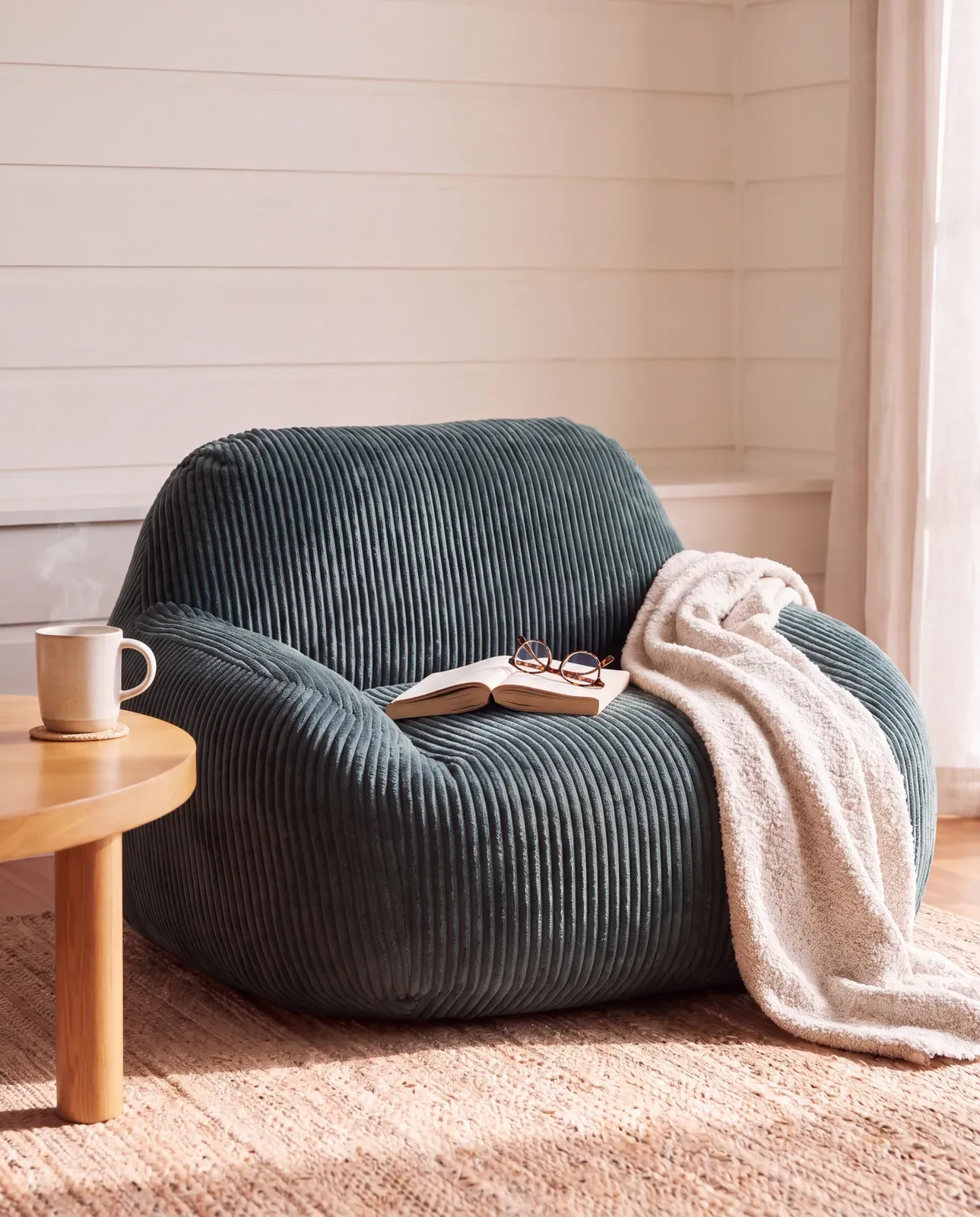
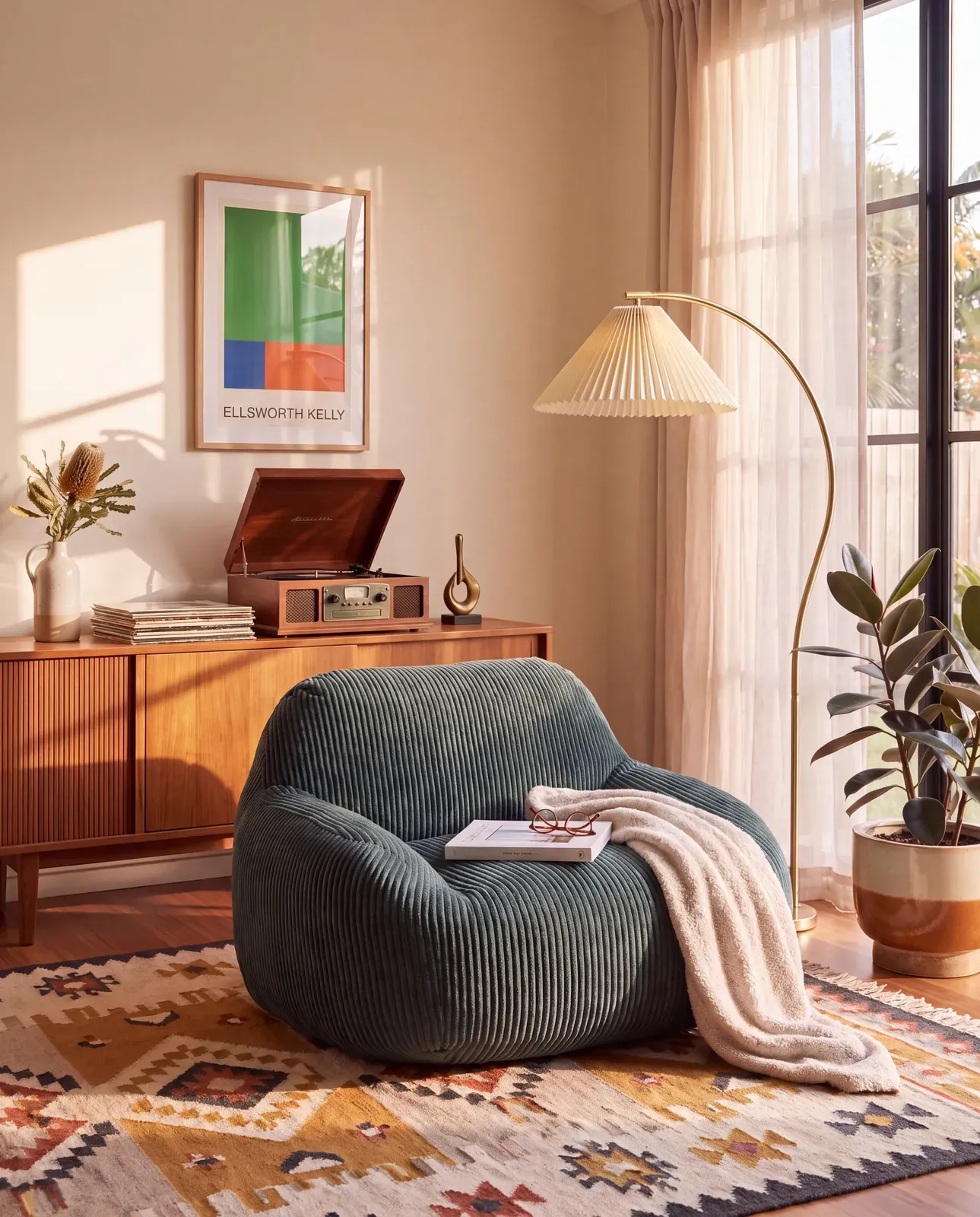
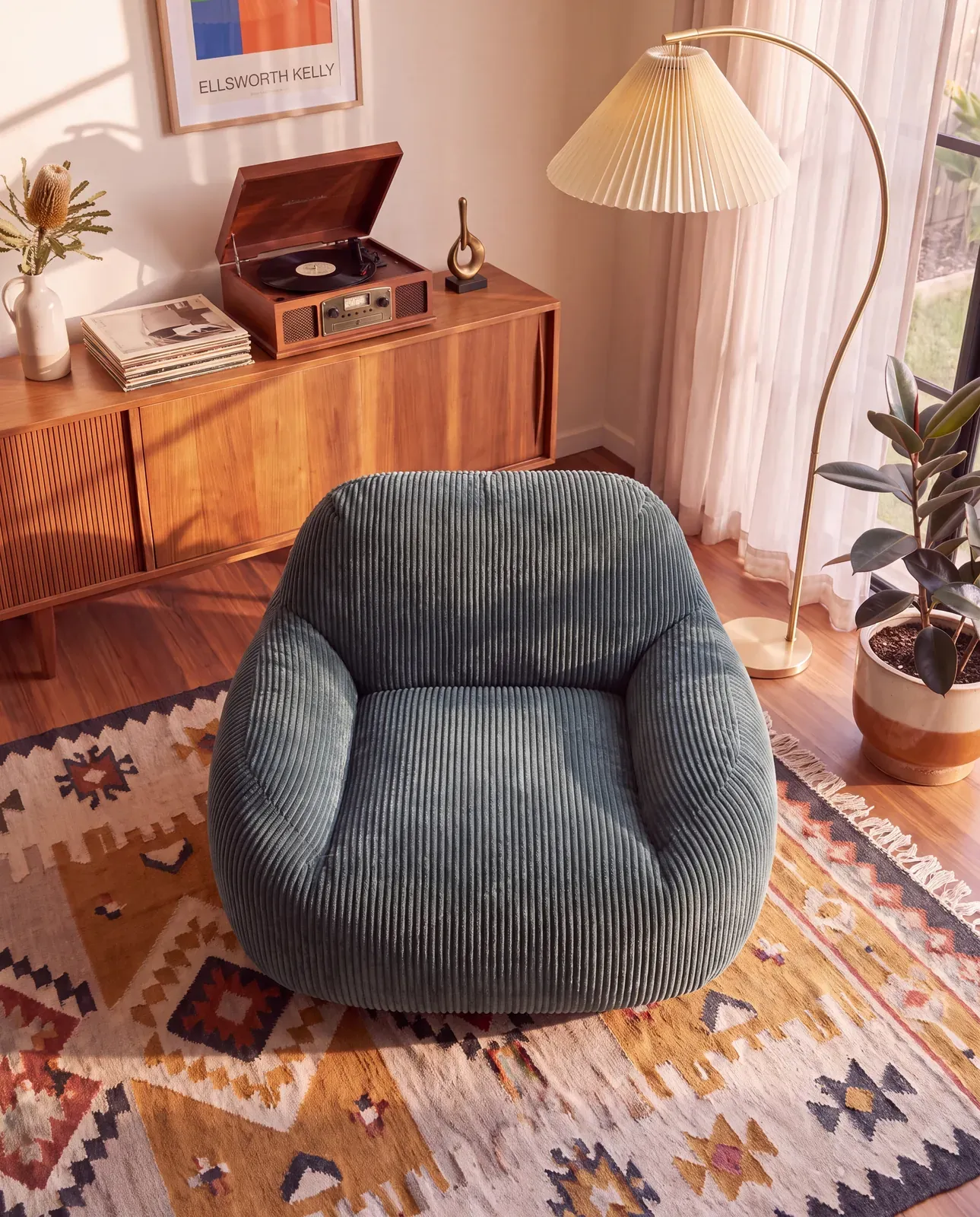
Nothing is freighted, booked or carried. One dining table can sit in a warm oak kitchen, a white apartment and a courtyard, and none of those three rooms ever had to exist. The number of environments becomes a decision about what sells, not about what the budget survives.
- 03
The long tail gets styled too
Room sets go to the hero pieces because they have to. When the environment is the cheap part, the ninetieth SKU can be shown in context as well as the first, and that is usually where the quiet margin has been sitting all along.
- 04
The colour is right, so the crate stays shut
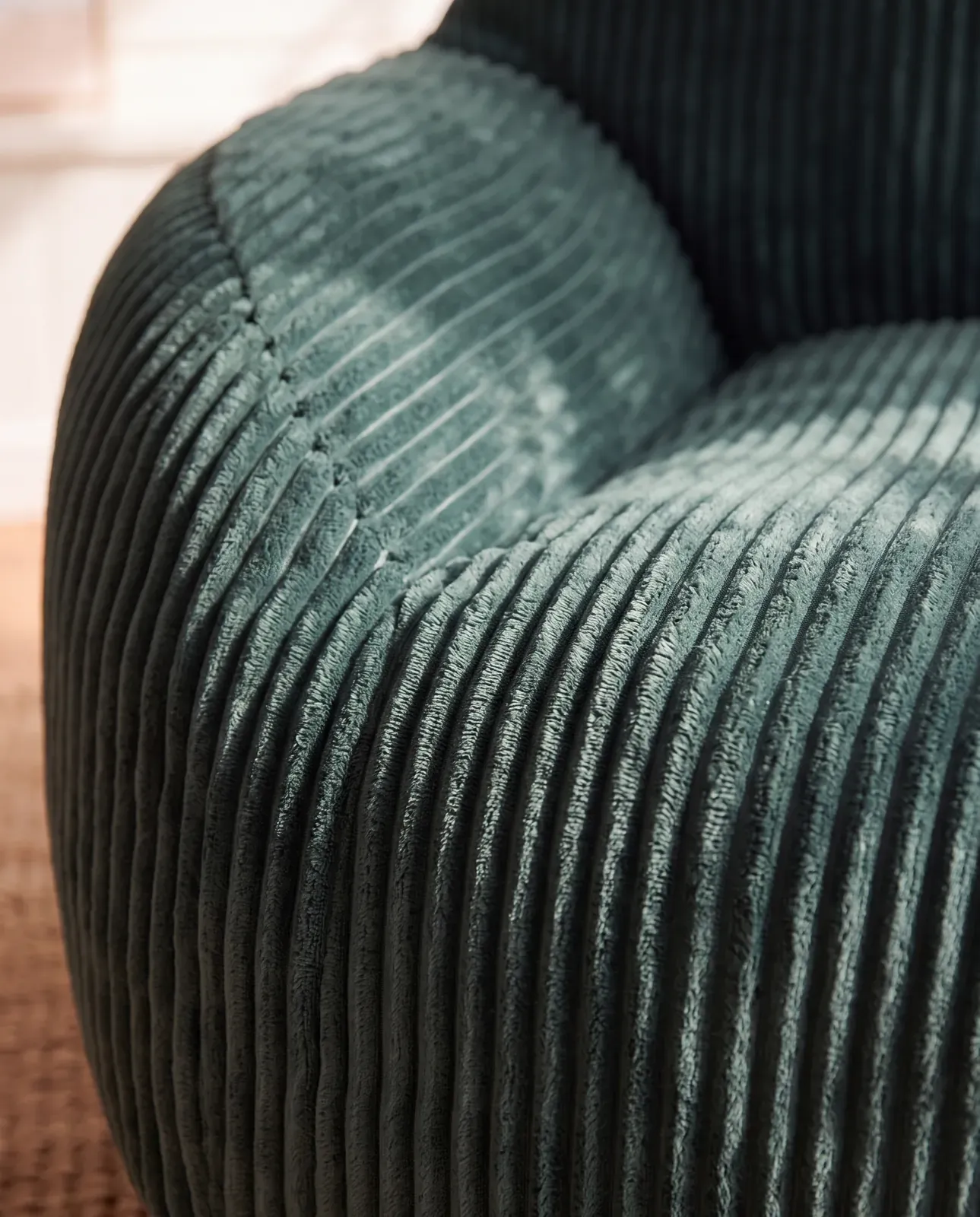
Grain direction, weave, sheen, leg profile and proportion are matched to the real piece before a frame is retouched. Accurate imagery is the cheapest returns policy in furniture, because the return you never process costs nothing to process.
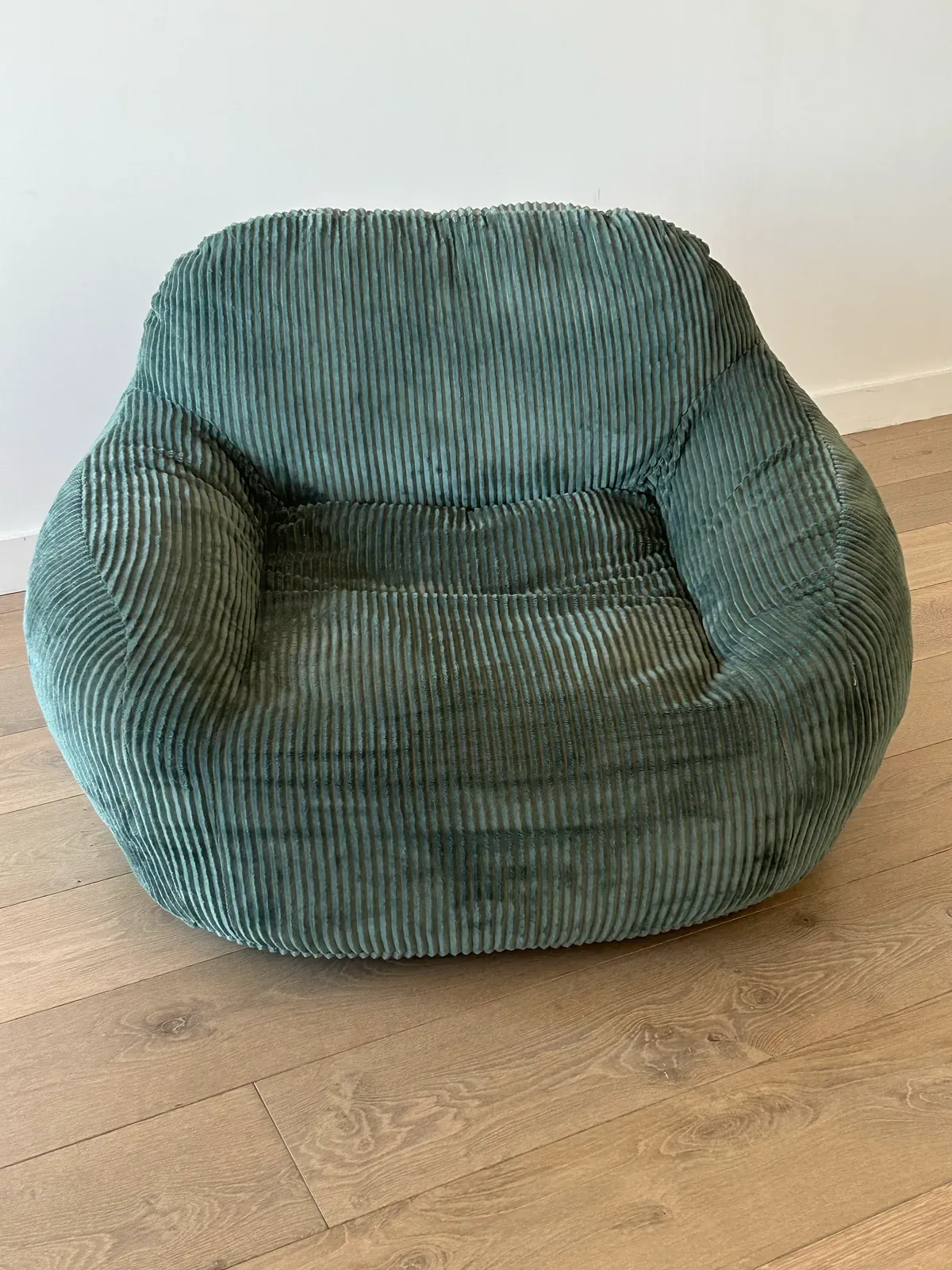
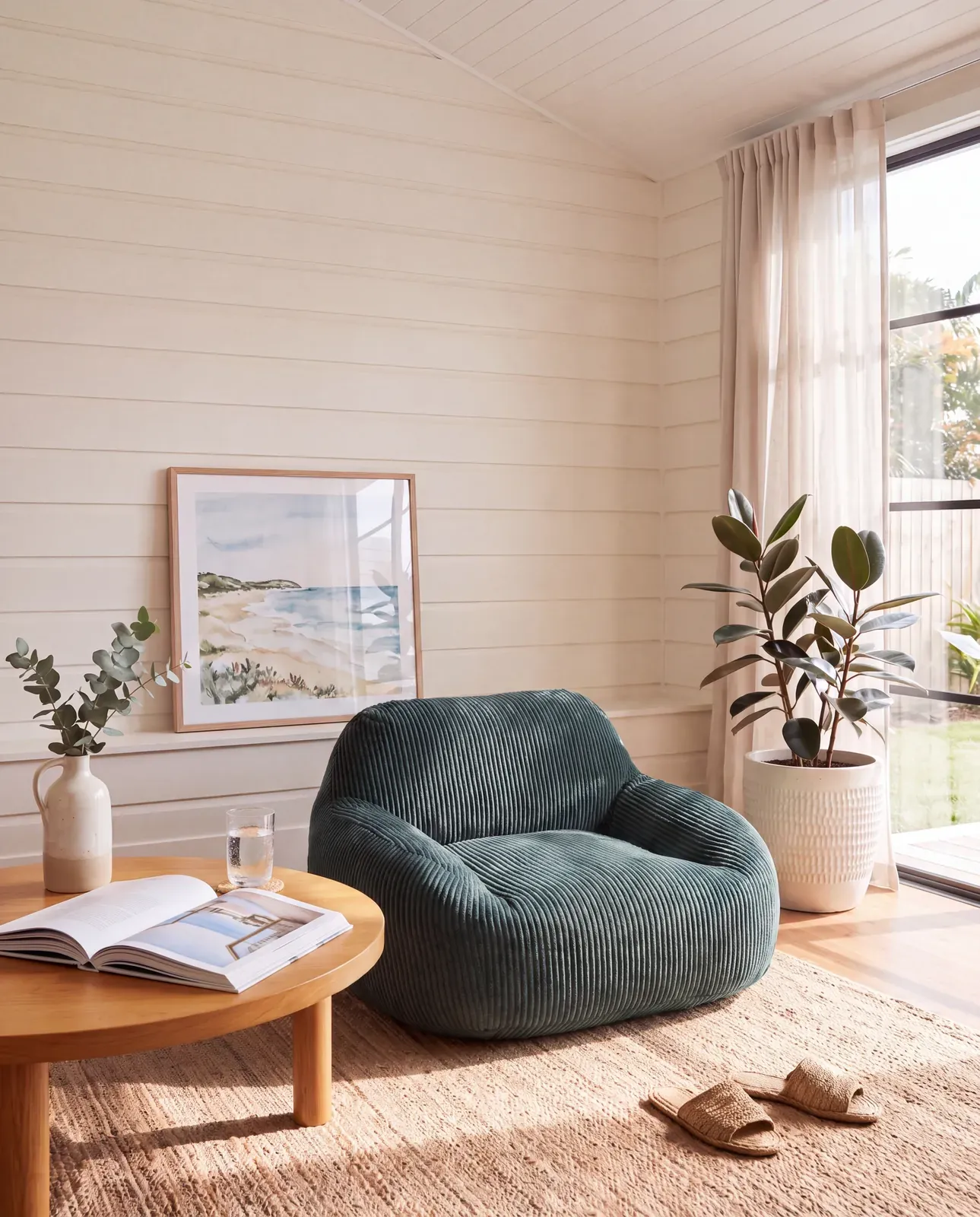
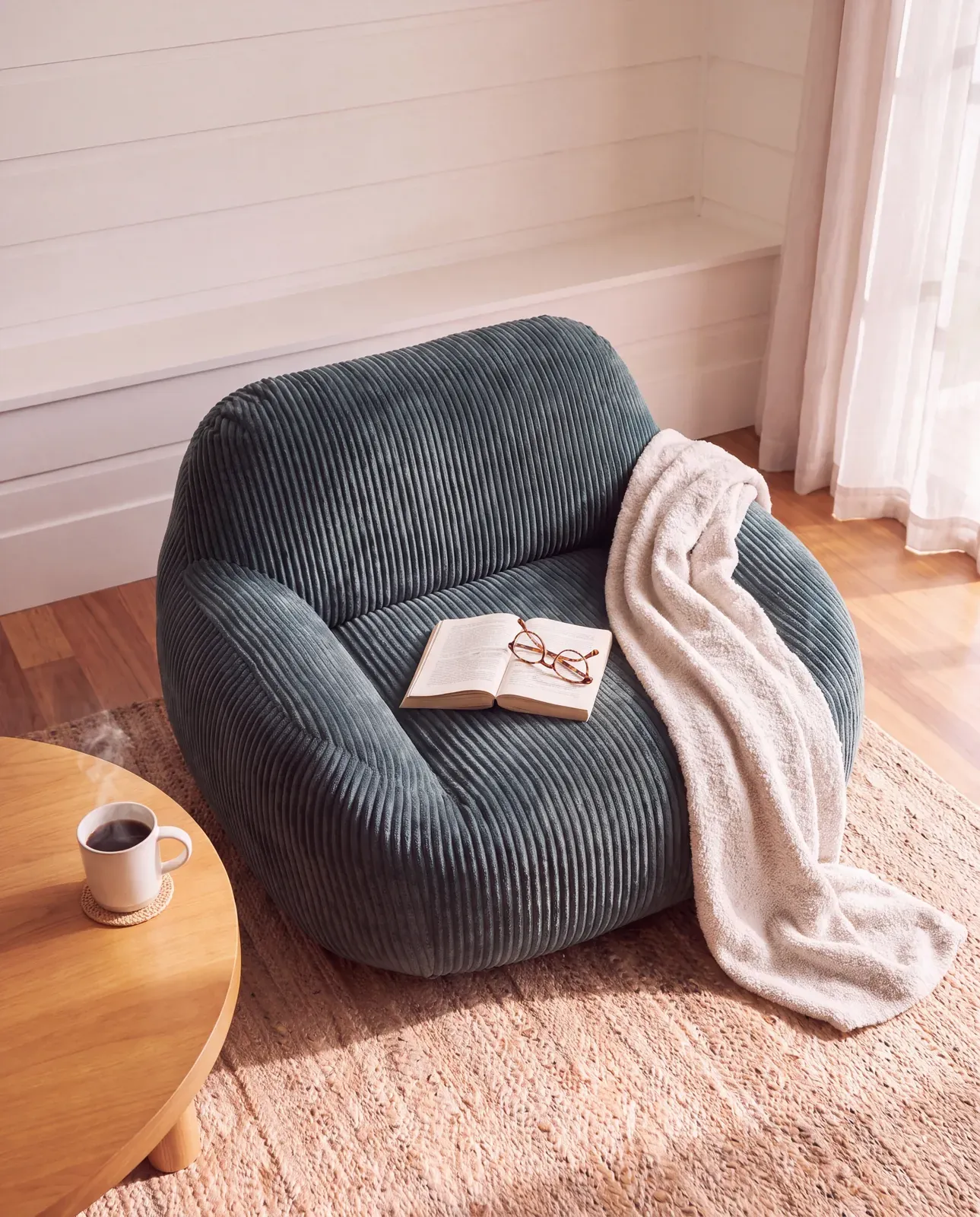
Six environments. One phone photo to start from.
What they sent us
What came back
The questions people search.
How much does furniture lifestyle photography cost?
A traditional room set carries location hire, a stylist, props, freight for heavy items and a photographer, and it produces images of one configuration in one room. Generated imagery is priced per product and per image instead, so the cost scales with how much of your catalogue you want covered rather than with how many rooms you want to build. Our own pricing runs from $350 AUD for a single product at six images, and the per-image rate falls as the catalogue grows.
How do I show a sofa in every fabric without photographing every fabric?
Each colourway is produced from the same base photograph with the fabric matched to the real swatch, so every variant appears in the same room and the same light. The customer is then comparing the fabric rather than comparing two different photographers on two different days, which is usually what makes an online range look inconsistent.
Will customers be able to tell the images are AI-generated?
That is the entire test, which is why there is a two-image quiz on our homepage rather than a claim here. Every frame is retouched individually rather than shipped as the model returned it, and a frame that does not hold up at full size on a product page does not go in the batch.
Does the furniture itself get altered?
No. The rule the studio runs on is that AI changes the environment and never the product. Dimensions, proportion, timber grain, weave, sheen, hardware and configuration stay accurate to the item you ship. Only the room around it is generated.
Can you work from the photography we already have?
Yes, and that is usually the starting point. One clean shot of a product is enough to begin, along with anything that pins down what it really looks like: a fabric reference, a finish name, dimensions.
What about seasonal refreshes?
The same product can be re-set for a season without touching the product itself, so an autumn range and a summer range are the same furniture in different rooms rather than two shoots a year apart.
Also works for